Temu faces tougher product safety checks after €200 million EU fine
By Harry Dennis • Published: 26 Oct 2026 • 19:06 • 3 minutes read
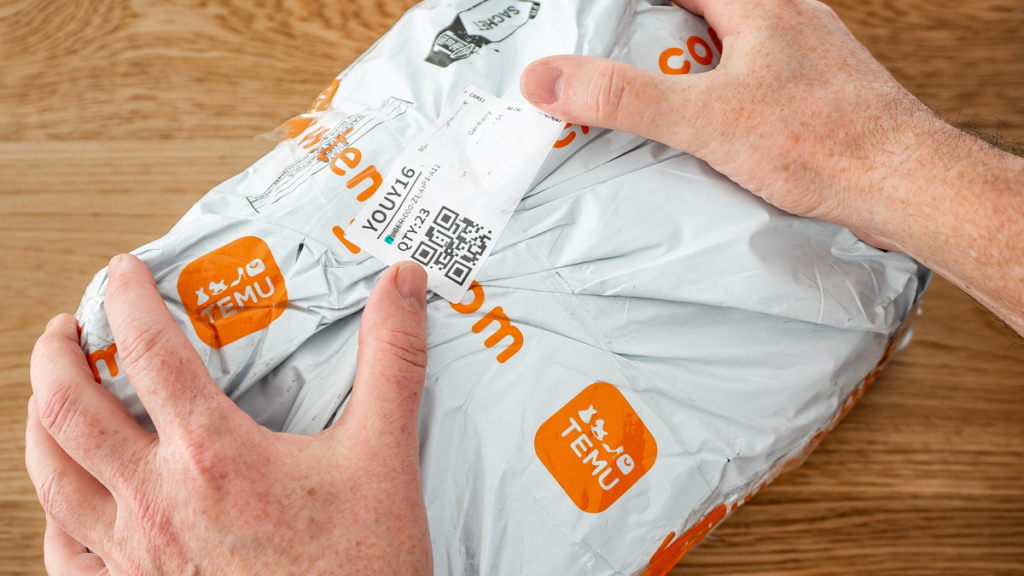
Temu now has four months to show its safety plan is working. Credit: Audio und werbung / Shutterstock
Chargers that failed basic safety tests and baby toys with choking risks helped land Temu with a €200 million EU fine back in May, yet shoppers have so far had to take its word that things will change. Now Brussels has approved a plan to fix it, and Temu only has four months to show it’s working.
Brussels has accepted Temu’s plan to stop unsafe goods
The European Commission said on Monday October 26 that it had accepted Temu’s action plan to fix the breach of the Digital Services Act (DSA) that led to May’s fine. The plan has five measures. Temu will carry out a risk assessment specific to its own platform, rather than leaning on general online shopping information, and will use reliable measures to check whether its safeguards are genuinely cutting the number of illegal products.
It will also look at where its content moderation falls short, and whether its recommendation system (the part of the app that decides what shoppers see) is helping illegal goods reach them or not. On top of that, Temu will examine how sellers could take advantage of the app’s features to push illegal listings.
The Commission said the plan was another example of how the DSA is strengthening consumer protection online.
Why Temu was fined €200 million in May
The Commission fined Temu on Thursday May 28 after finding its risk assessment underestimated the danger of illegal products being sold to people in the EU. Executive Vice-President Henna Virkkunen said at the time that risk assessments are not box-ticking exercises but the backbone of the DSA.
The evidence was quite irrefutable. An independent testing organisation bought products from the site, and many of the chargers failed basic electrical safety tests. Several baby toys carried medium or high risks, either because of chemicals above legal limits or small detachable parts that children could choke on.
The Commission also criticised Temu for not looking at how its own design, including its recommendation algorithms and influencer promotion programmes, could push those listings in front of more people.
Temu called the fine disproportionate, arguing the case centred on its first risk assessment from 2024 rather than the systems it uses now. It said it was studying all its options, although this time it said it welcomed the Commission’s approval.
How the case got here
The Commission opened its formal investigation in October 2024, when authorities in Germany, Denmark and Ireland had raised concerns about counterfeit goods, unsafe toys and so-called addictive design, such as game-like rewards and constant notifications. Reports at the time put Temu’s EU users at 92 million by September 2024.
Preliminary findings followed in July 2025, then the fine in May. Temu had until Friday August 28 to submit its action plan, a board of national digital regulators reviewed it, and the Commission has now made its decision.
However, the fine only closed the risk assessment part of the investigation. The Commission has said it will keep talking to Temu to monitor its wider compliance with the DSA.
Spanish shoppers have been raising the alarm for years
Consumer groups in Spain didn’t wait for Brussels. OCU and CECU lodged their own complaint with the CNMC (Spain’s competition watchdog) in 2024, accusing Temu of a lack of transparency in its recommendation systems, using manipulative design tricks known as dark patterns, and giving children too little protection.
Temu’s grip on European shoppers has only grown since. EWN reported in last year that its consumer spending in the EU jumped 63 per cent in a single month as US trade measures hit its American business, which helps explain why Brussels is watching so closely.
What Temu has to do in the next four months
Temu now has four months to complete an interim risk assessment, which is meant to show the measures in the plan are actually in place. However, the plan is about how Temu spots and tackles risk across its whole platform, so it isn’t any type of ban and it doesn’t mean it can’t keep selling in the EU.
Shoppers are also paying more for cheap parcels now. The EU agreed in November 2025 to end the duty-free exemption on small parcels, and a €3 fee on low-value packages has been in place since July.
If Temu doesn’t deliver, the Commission can still impose periodic penalty payments, and the DSA allows fines of up to 6 per cent of a company’s worldwide annual turnover.
Follow Euro Weekly News on Google News
Get breaking news from Spain, travel updates, and expat stories directly on your Google News feed.
Follow on Google NewsSign up for personalised news
Subscribe to our Euro Weekly News alerts to get the latest stories into your inbox!
By signing up, you will create a Euro Weekly News account if you don't already have one. Review our Privacy Policy for more information about our privacy practices.





Harry Dennis
Born in the UK and raised on the Cádiz coast, Harry brings a creative eye to his writing, sharing stories that celebrate culture and lifestyle across Spain and beyond.
Comments