Travelling by train in Spain on Thursday? Here’s how the Renfe strike will affect you
By Molly Grace • Published: 26 Oct 2026 • 15:51 • 2 minutes read
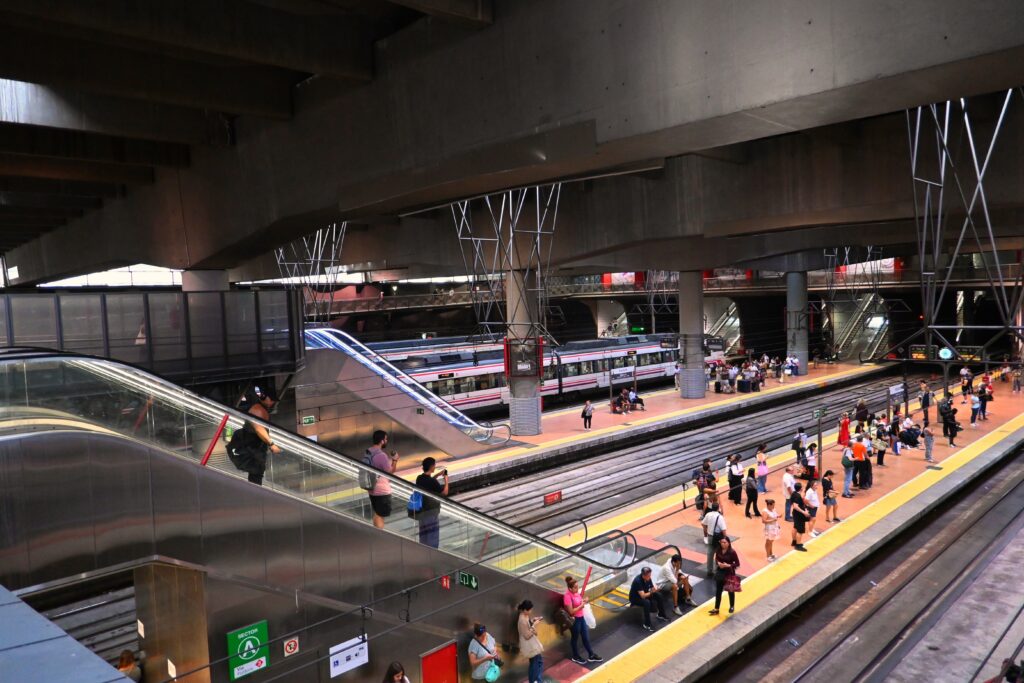
Renfe says trains included in the minimum-service arrangements are guaranteed to operate. Photo credit: GenadiyGM/Shutterstock
Passengers travelling by train in Spain on Thursday, October 29, could face fewer departures, with Renfe set to run just half of its usual Cercanías services outside peak hours. High-speed and long-distance trains will operate at 73% of their normal level, while regional Media Distancia services will run at 65%, under the minimum service levels confirmed by the Transport Ministry.
The biggest reductions will affect commuter journeys outside the morning, lunchtime and evening rush hours. During those peak periods, 75% of normal Cercanías services must operate, compared with 50% during the rest of the day. Here’s how the measures will affect different train services and what passengers should check before travelling.
Which Renfe trains will run during Thursday’s strike?
The minimum services vary by train type, so the impact will depend on where and when you travel.
- AVE and long-distance trains: 73% of the usual service.
- Cercanías commuter trains: 75% during peak hours and 50% during the rest of the day.
- Media Distancia regional trains: 65% of the usual service.
- Freight trains: 26% of normal services.
These percentages refer to the normal scheduled service, not the proportion of passengers who will be able to travel. The actual number of trains running on a particular route will depend on its usual timetable and the services covered by the minimum-service order.
When will Cercanías services be reduced?
For commuters, the time of day will make a difference. The 75% minimum service applies during three peak periods:
- Morning: 6am to 9am
- Lunchtime: 1.30pm to 3.30pm
- Evening: 6.30pm to 8.30pm
Outside these periods, only 50% of the usual Cercanías service is guaranteed. Passengers travelling between peak periods or later in the evening should allow extra time and check their line before leaving home.
Cataluña has different minimum services
Passengers using Rodalies commuter trains and regional services in Cataluña face different arrangements. The Generalitat has set minimum services at 66% during peak hours and 33% during the rest of the day.
The protected periods are 6am to 9.30am and 5pm to 8.30pm. The regional government also says the services may be distributed unevenly according to operational needs, so passengers should check the latest information for their particular route.
The national minimum of 73% still applies to Renfe’s high-speed and long-distance services in Cataluña, while Media Distancia services elsewhere in Spain are covered by the 65% minimum.
How to check whether your train is running
Anyone travelling on Thursday should check their departure through Renfe’s official website or its app before leaving home. Passengers making connections should check every leg of the journey, as a train running under the minimum-service arrangements does not guarantee that a convenient alternative will be available if another departure is cancelled.
Those travelling to airports, medical appointments or work at a fixed time should allow extra time where possible and consider alternative transport if missing a connection would cause serious problems.
Renfe says trains included in the minimum-service arrangements are guaranteed to operate, although the company has apologised for the inconvenience the strike may cause.
The new figures give passengers a clearer idea of the service to expect, but checking the individual timetable remains essential. In particular, Cercanías users should pay attention to the time of their journey, while people travelling in Cataluña should use the separate Rodalies and regional service arrangements rather than assume the national commuter-train percentages apply.
Follow Euro Weekly News on Google News
Get breaking news from Spain, travel updates, and expat stories directly on your Google News feed.
Follow on Google NewsSign up for personalised news
Subscribe to our Euro Weekly News alerts to get the latest stories into your inbox!
By signing up, you will create a Euro Weekly News account if you don't already have one. Review our Privacy Policy for more information about our privacy practices.




Molly Grace
Molly is a British journalist and author who has lived in Spain for over 25 years. With a background in animal welfare, equestrian science, and veterinary nursing, she brings curiosity, humour, and a sharp investigative eye to her work. At Euro Weekly News, Molly explores the intersections of nature, culture, and community - drawing on her deep local knowledge and passion for stories that reflect life in Spain from the ground up.
Comments