Renting in Spain? 2,500 new affordable homes could offer some relief
By Adam Woodward • Published: 28 Oct 2026 • 9:40 • 2 minutes read
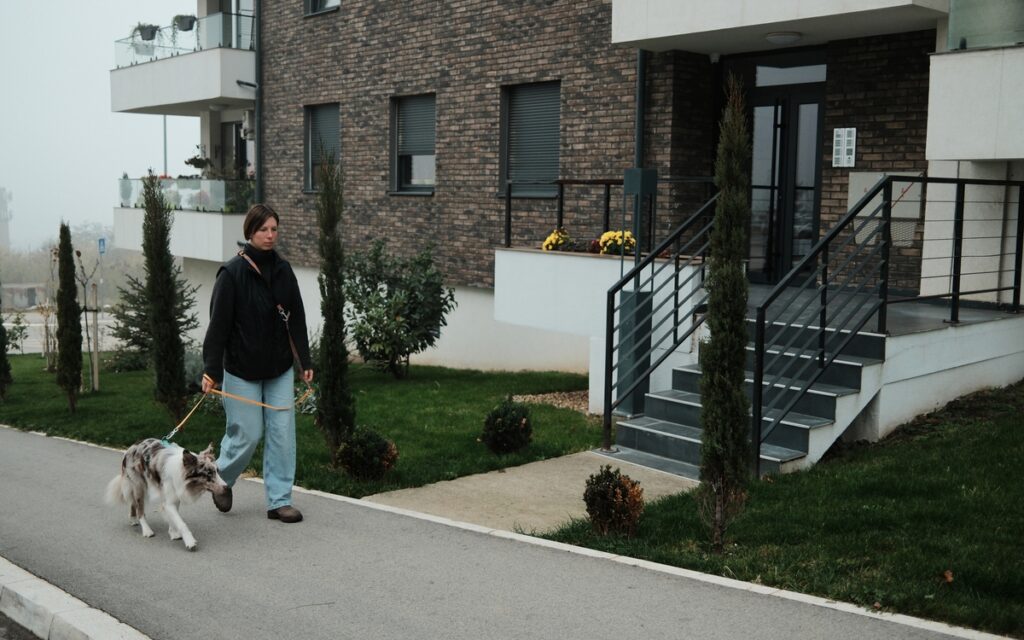
CASA 47 new affordable homes on the cards. Credit: lightman_pic - Shutterstock
If you’re struggling to find somewhere affordable to rent in Spain, there could be some welcome news on the horizon. The Spanish government has approved €201 million to help build 2,500 new affordable rental homes, including developments planned for Malaga and Valencia. The objective is to make renting more manageable for households struggling with rising costs, although the homes are still in the planning stages and applications are not yet open.
How will the new affordable housing scheme work?
The funding will support around 30 projects through CASA 47, the state housing agency responsible for expanding Spain’s public rental housing stock. Under the new model, private developers will build homes on publicly owned land, with government subsidies covering up to 60 per cent of the investment. CASA 47 will retain control over rental prices and access conditions, rather than allowing developers to set terms based solely on commercial returns.
Rents will be capped at 30 per cent of the household’s income, while the homes will retain their public and affordable status permanently. Tenancies are expected to begin with a 14-year contract, with extensions potentially allowing occupation for up to 75 years, subject to the applicable conditions.
The government’s announcement of the €201 million housing package explains how the subsidies will be allocated to individual developments, with CASA 47 directly handling projects that need more than 60 per cent of their investment covered by public funding.
Will Malaga and Valencia renters benefit?
Both provinces are included among the locations identified for the new programme, as well as Sevilla, Cantabria and Guadalajara. However, the government has not yet specified how many homes will go to each area, which towns will receive developments or when construction will begin.
The announcement comes as CASA 47 continues to expand its existing rental offer. The government says around 800 homes are already available through its online portal, with another 1,500 expected to be added before the end of 2026. These properties are separate from the 2,500 homes targeted under the newly approved funding package.
The existing scheme has already attracted interest from foreign residents. EWN previously reported that British and other foreign residents could qualify for affordable CASA 47 homes on the Costa Blanca, with 153 properties offered across Alicante province in that particular allocation.
For renters hoping to finally find an affordable home, the distinction is important. The new funding is intended to increase the supply of affordable housing, but it does not mean thousands of additional properties are ready to rent immediately.
The scale of the challenge is underlined by EWN’s report on the loss of 393,000 long-term rental listings in Spain over seven years. Critics may question whether the new programme will deliver enough homes quickly enough to ease the pressure on tenants.
With the General Election approaching, housing is also likely to remain an important political issue. The main question for renters is whether the new funding will translate into homes they can actually afford, in the places where they need to live.
Further details about the new developments, including their locations, delivery dates and specific eligibility requirements, are still awaited.
Follow Euro Weekly News on Google News
Get breaking news from Spain, travel updates, and expat stories directly on your Google News feed.
Follow on Google NewsSign up for personalised news
Subscribe to our Euro Weekly News alerts to get the latest stories into your inbox!
By signing up, you will create a Euro Weekly News account if you don't already have one. Review our Privacy Policy for more information about our privacy practices.





Adam Woodward
Adam is a writer who has lived in Spain for over 25 years. With a background in English teaching and a passion for music, food, and the arts, he brings a rich personal perspective to his work at Euro Weekly News. As a father of three with deep roots in Spanish life, Adam writes engaging stories that explore culture, lifestyle, and the everyday experiences that shape communities across Spain.
Comments