Sevilla train derailment suspends Cercanías services hours after deadly Spain rail disaster
By Molly Grace • Published: 28 Oct 2026 • 23:52 • 2 minutes read
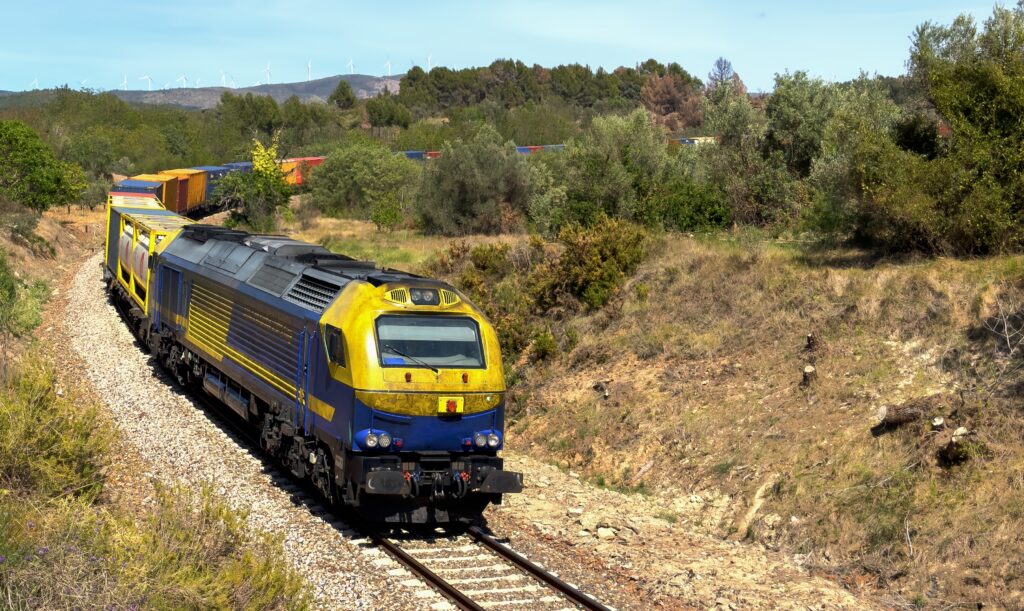
The events have put railway operations under intense scrutiny. Photo credit: Maksim Safaniuk/Shutterstock
After the horror of the deadly train collision near Urda, the last thing passengers need is more uncertainty about Spain’s railways. Tonight, Wednesday, commuters in Sevilla are facing disruption of their own after a maintenance train derailed near Padre Pío-Palmete, forcing the suspension of the C4 Cercanías line.
The incident comes on the same day as the high-speed collision near Urda, Toledo, which left dozens dead and many others injured. There is no evidence linking the two incidents, but the timing will inevitably raise questions among passengers already worried about getting to their destinations safely and on time. For people who rely on Sevilla’s commuter trains, the main concern right now is whether services will resume before the morning rush hour and what alternatives will be available if they do not.
What happened near Padre Pío?
Early reports described the incident as a freight train derailment near Padre Pío station. Adif’s account, however, referred to a maintenance train in the La Negrilla area, whose axles had come off the rails, but at the current moment in time the precise circumstances have not yet been established. Adif confirmed that the incident interrupted the C4 service while railway teams worked to deal with the problem. The cause had not been confirmed in the initial reports.
There was no confirmed timetable for restoring services when the first reports appeared nor was it yet clear how long the work to deal with the derailed train would take. The C4 forms part of Sevilla’s Cercanías commuter network. An interruption can affect people travelling across the city for work, education, medical appointments and connections with other services.
Will trains run on Thursday?
Passengers face the possibility of further disruption on Thursday,October 29, if the C4 line cannot reopen in time. Initial reports warned that the interruption could affect services the following day, but a confirmed reopening time was not available. For commuters, that uncertainty makes checking before travelling particularly important. Those who normally use the C4 should look for updates from Renfe and allow extra time to reach work or make connections.
Any replacement transport arrangements should be confirmed through official travel information rather than assumed to be in place. The disruption also comes as high-speed services between Madrid and Andalucía face interruptions following the Urda collision. Renfe announced that services on the route would remain suspended on Thursday, leaving passengers with journeys to rearrange and uncertainty over when normal operations would resume
Another difficult day for rail passengers
The events have put railway operations under intense scrutiny, although the details of the Sevilla incident remain limited. Investigators will need to establish why the maintenance train’s axles left the rails and whether any technical or infrastructure issues contributed. Until that information is available, it would be premature to draw conclusions about the cause.
For passengers, however, the consequences are immediate. People travelling on the C4 need to know whether their trains are running, while those planning longer journeys between Madrid and Andalucía must contend with separate disruption following the Urda disaster. Adif’s priority is to deal with the derailed train and restore the affected service when it is safe to do so. Renfe’s updates will be essential for anyone hoping to travel on Thursday.
After a day marked by a deadly high-speed collision and a separate rail incident in Sevilla, passengers will be looking for clear information rather than speculation. Until services are confirmed as operating normally, checking before travelling remains the safest way to avoid an unnecessary journey.
Follow Euro Weekly News on Google News
Get breaking news from Spain, travel updates, and expat stories directly on your Google News feed.
Follow on Google NewsSign up for personalised news
Subscribe to our Euro Weekly News alerts to get the latest stories into your inbox!
By signing up, you will create a Euro Weekly News account if you don't already have one. Review our Privacy Policy for more information about our privacy practices.




Molly Grace
Molly is a British journalist and author who has lived in Spain for over 25 years. With a background in animal welfare, equestrian science, and veterinary nursing, she brings curiosity, humour, and a sharp investigative eye to her work. At Euro Weekly News, Molly explores the intersections of nature, culture, and community - drawing on her deep local knowledge and passion for stories that reflect life in Spain from the ground up.
Comments