Supermarket cyberattacks spread across Europe: Fridges turned up to 50ºC
By Adam Woodward • Published: 02 Nov 2026 • 16:53 • 3 minutes read
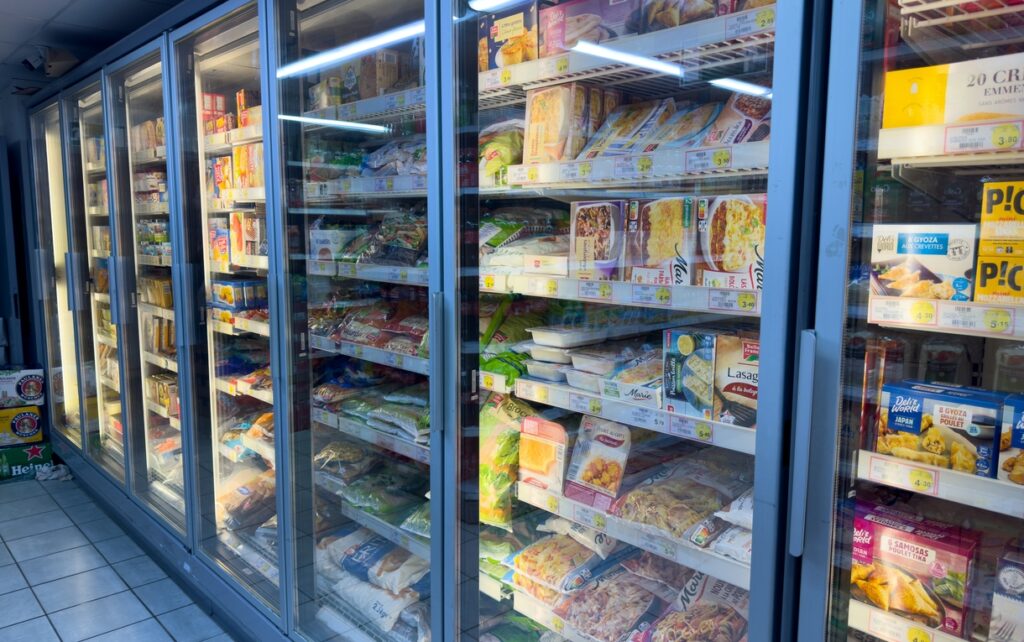
Freezers turn to cookers across Europe. Credit: Wiliamhero - Shutterstock
Supermarkets across Europe are facing a growing cybersecurity crisis after suspected hackers remotely interfered with refrigeration systems, causing temperatures in fridges and freezers to soar and forcing retailers to throw away large quantities of food.
The latest incidents were reported in Sweden this morning, but have now spread to Belgium, Luxembourg, Ireland and Estonia, with several major supermarket chains affected. The attacks follow a similar incident in France last month, when hundreds of stores suffered refrigeration failures after their cooling systems were compromised.
The growing number of incidents has raised questions about the security of supermarket equipment connected to the Internet, particularly systems which allow refrigeration units to be monitored and controlled remotely.
Sweden supermarkets hit by overnight attacks
Sweden was among the first countries to report problems on Monday, November 2, with supermarket chains ICA and Coop confirming incidents affecting refrigeration equipment.
ICA said a limited number of its stores had experienced problems overnight, while Coop reported that six outlets had been affected.
One ICA supermarket in Sjöbo reported that its refrigerators and freezers had been remotely set to 50°C, leaving staff with spoiled stock to remove. At another ICA store in Stockholm, employees discovered that its freezers had stopped working following an overnight incident.
Sweden’s National Cybersecurity Centre is investigating several incidents involving supermarket refrigeration systems. Its director has also warned about exposed operational technology devices which need security updates and patches.
Belgium and Luxembourg report widespread disruption
Belgium has also suffered serious disruption, with several supermarket groups reporting problems. Around 40 Delhaize stores were affected by an IT incident involving their refrigeration systems, according to reports from Belgian news agencies.
Carrefour Belgium confirmed that 15 of its more than 700 stores had experienced problems, although the company described the impact as limited. Five Spar supermarkets operated by the Colruyt Group also reported attacks on their refrigeration equipment.
The disruption extended into neighbouring Luxembourg, where Delhaize stores also experienced refrigeration problems. Technicians were called out overnight to disconnect affected equipment and prevent further damage.
One Belgian refrigeration company said attackers had switched evaporators inside the cooling units into defrost mode, causing temperatures to rise.
Irish supermarkets forced to remove food
Ireland has now joined the list of affected countries after SuperValu confirmed that refrigeration equipment at 13 of its 223 stores had been affected. The supermarket chain’s parent company, Musgrave, said chilled and frozen products had been removed from sale as a precaution. Stores stayed open, with other products available to customers.
The company said the incident involved a specific model of refrigeration equipment and that its monitoring systems had alerted staff to the problem. Musgrave is working with equipment suppliers and cybersecurity specialists to investigate what happened and restore normal operations.
Estonia reports temperatures reaching 50°C
An incident was also reported in Estonia, where a supermarket refrigeration system was accessed remotely and its temperature settings raised to 50°C. Technology supplier Kitman Coldtech confirmed that one of its customers had been affected. The supermarket chain Selver subsequently confirmed that one of its outlets had experienced the problem. The incident was reportedly dealt with within minutes, limiting the damage. One suspects, it was dealt with by detaching fridges from the Internet.
France suffered an earlier attack affecting hundreds of supermarkets
The latest developments follow a much larger incident in France last month, when hackers gained access to refrigeration control systems used by hundreds of supermarkets. French authorities reported that up to 700 supermarkets were affected, with temperatures in some refrigeration units reaching 50°C.
Intermarché, Carrefour, Monoprix and other major retailers reported disruption and substantial food losses. Some stores also experienced fires linked to overheating equipment.
Investigators examined how attackers had manipulated remotely controlled refrigeration systems, interfering with temperature controls and defrost programmes. The incidents exposed weaknesses in older equipment which had not received important security updates.
Could Spanish supermarkets be next?
There have been no confirmed reports of Spanish supermarket refrigeration systems being targeted in this latest wave of incidents.
However, the developments are likely to raise concerns among retailers in Spain, where major supermarket chains also depend on electronically monitored refrigeration systems to keep fresh and frozen products at safe temperatures.
The attacks go to show how equipment designed to make supermarket operations more efficient can also create potential security weaknesses if it is not properly protected.
Spain’s National Cybersecurity Institute (INCIBE) is providing advice and assistance on digital security incidents, while the Spanish Interior Ministry’s Cybersecurity Coordination Office publishes guidance on protecting connected and industrial equipment.
Who is behind the supermarket attacks?
Despite the growing number of incidents, investigators have yet to identify those responsible. No group has publicly claimed responsibility, and authorities have not established whether all the reported incidents are connected.
The absence of obvious ransom demands has also raised questions about whether the intention is financial gain or deliberate disruption. For supermarket operators, the immediate concern is protecting refrigeration equipment and preventing further food waste.
For shoppers, the incidents raise a wider question about how vulnerable essential food supplies can become when everyday supermarket equipment is connected to the internet.
Follow Euro Weekly News on Google News
Get breaking news from Spain, travel updates, and expat stories directly on your Google News feed.
Follow on Google NewsSign up for personalised news
Subscribe to our Euro Weekly News alerts to get the latest stories into your inbox!
By signing up, you will create a Euro Weekly News account if you don't already have one. Review our Privacy Policy for more information about our privacy practices.





Adam Woodward
Adam is a writer who has lived in Spain for over 25 years. With a background in English teaching and a passion for music, food, and the arts, he brings a rich personal perspective to his work at Euro Weekly News. As a father of three with deep roots in Spanish life, Adam writes engaging stories that explore culture, lifestyle, and the everyday experiences that shape communities across Spain.
Comments