Petrol cars get a second chance: EU move could change what drivers in Spain buy next
By Adam Woodward • Published: 07 Nov 2026 • 10:14 • 4 minutes read
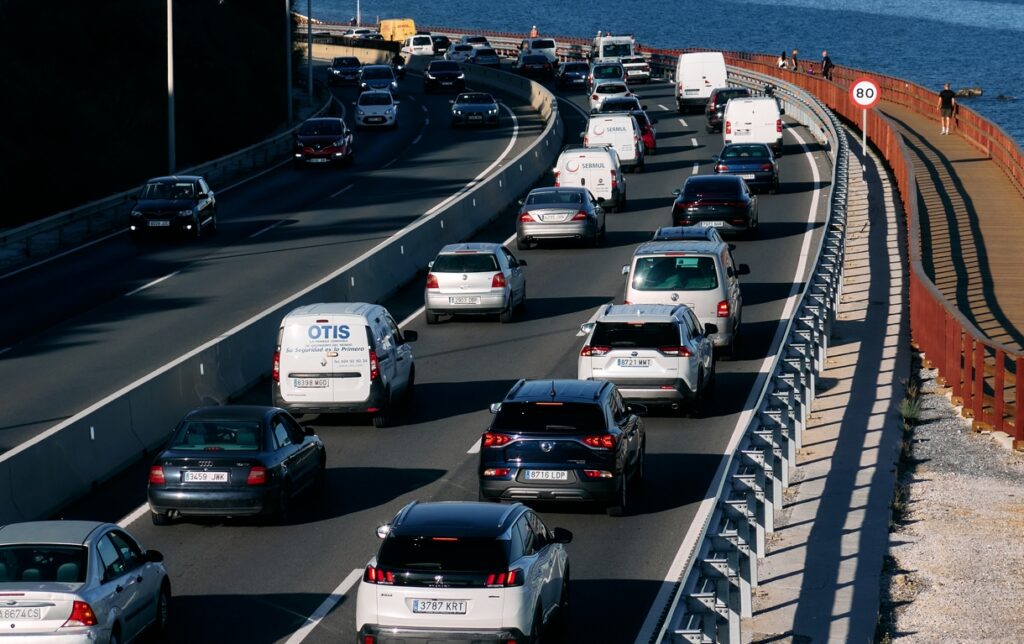
What will we be driving in the future? Credit: Capturing Images - Shutterstock
Brussels considers relaxing its 2035 combustion-engine deadline as drivers question whether switching to electric was the right decision.
Drivers in Spain who have been considering buying an electric car or hybrid may have another reason to pause before making their decision. A new move by the European Parliament could allow petrol and diesel vehicles to continue being sold past their previously announced deadline of 2035, potentially changing the future of the European car market.
The European Parliament’s Environment Committee voted on Wednesday, November 4, to support a relaxation of the emissions targets that currently underpin the planned phase-out of new combustion-engine vehicles. The proposal could give manufacturers greater freedom to continue producing petrol, diesel and hybrid models, rather than moving entirely towards electric cars.
For drivers who have spent the past few years worrying about the future of traditional vehicles, the development raises an important question: have some motorists been too quick to abandon petrol and diesel?
Why the 2035 deadline could change car-buying decisions
Under existing EU legislation, manufacturers must achieve a 100 per cent reduction in average CO2 emissions from new cars by 2035, compared with 2021 levels. This effectively means new conventional petrol and diesel cars would no longer be permitted on the market.
However, the parliamentary committee has now backed a proposal to reduce the required emissions cut to 87.5 per cent. Manufacturers could also use credits linked to low-carbon steel produced in Europe to compensate for up to 7.5 percentage points of the target.
The vote was 48 in favour, 30 against and with two abstentions. The proposal still needs approval from the full European Parliament and subsequent negotiations with EU governments before it can become law.
If accepted, the changes could allow manufacturers to continue selling certain combustion-engine vehicles after 2035 as normal, including petrol, diesel and hybrid models. For consumers, this could make a considerable difference when choosing their next vehicle.
Many drivers have opted for electric cars or hybrids because they believed traditional engines were approaching the end of their commercial life. The idea of buying a petrol car and not being able to sell it on later as a second-hand vehicle has been a major concern. Others have worried about buying a new petrol or diesel car only to find its resale value falling as the deadline approaches.
A relaxation of the rules could change those calculations, particularly for people who prefer conventional engines, have concerns about charging facilities or simply cannot afford the purchase price of a new electric vehicle. In fact, insurance costs have been another consideration, particularly for buyers looking at Chinese electric vehicles. Some insurers are charging higher premiums for certain Chinese EV models because of concerns about the cost and availability of replacement parts, specialist repairs and battery damage following accidents. Even relatively minor collisions can result in pricey repairs if manufacturers’ components are difficult to obtain. This means that buyers comparing the purchase price of an electric car with a petrol or diesel alternative need to factor in insurance quotations before making a decision.
Spain’s low-emission zones are still a problem for drivers
However, there is an important complication for drivers living in Spain. Even if Brussels relaxes the 2035 rules, it does not automatically mean petrol and diesel cars will enjoy greater freedom to enter Spanish cities, and predicting what will happen with future politics on transport, is like navigating a pea-souper of fog.
Low-emission zones, known as Zonas de Bajas Emisiones (ZBEs) in Spain, operate under separate Spanish legislation. Local authorities use the DGT environmental classification system to decide which vehicles can access restricted areas. Cars are classified using four main labels: Cero, ECO, C and B, depending on their emissions and technology. Older vehicles that do not qualify for a label can face the toughest restrictions.
Cities including Malaga, Granada, Alicante, Valencia and Palma have introduced low-emission-zone measures, although the precise restrictions differ between towns. Recent retracting of the rules in Malaga due to the rules conflicting with the Constitution, shows we are far off from defining what the future of driving will be,
Consequently, someone buying a new petrol or diesel car after a possible change to EU legislation could still face restrictions when driving into certain urban areas.
Could petrol and diesel cars hold their value for longer?
The potential changes could also influence Spain’s second-hand car market. Car owners who have avoided buying nearly new petrol and diesel vehicles because of concerns about their future value may reconsider. If manufacturers can continue selling these models after 2035, demand for newer combustion-engine vehicles could prove stronger than some buyers had expected.
There is also an important consideration for Spain, where the cost of replacing an existing vehicle remains a major concern for many households. Electric cars are not suitable for every driver. People living in apartment blocks without private parking, for example, can face difficulties installing home charging points. Others regularly travel long distances and prefer the convenience of refuelling at conventional service stations.
Electric cars are not being abandoned
Despite the proposed changes, Europe’s transition towards electric motoring is not being cancelled just yet. The parliamentary proposal also includes incentives for smaller, more efficient electric vehicles manufactured in Europe. The intention is to support the European car industry and help it compete with manufacturers from China.
Manufacturers will also continue facing emissions requirements for the time being, while national governments and individual cities can pursue their own environmental policies.
For drivers, that means electric cars and hybrids will still have an important place in the market, but buyers could have more choice if the proposed legislation is approved.
For anyone planning to replace their vehicle in the coming years, the biggest message is that the future of motoring may not be as clear-cut as it appeared just a few years ago. There is no need to rush into changing an existing car type because of the 2035 deadline, particularly while the proposed changes are still being negotiated.
Brussels has not yet overturned the existing legislation, but the latest vote could give petrol and diesel engines a longer future than many car owners had expected.
Follow Euro Weekly News on Google News
Get breaking news from Spain, travel updates, and expat stories directly on your Google News feed.
Follow on Google NewsSign up for personalised news
Subscribe to our Euro Weekly News alerts to get the latest stories into your inbox!
By signing up, you will create a Euro Weekly News account if you don't already have one. Review our Privacy Policy for more information about our privacy practices.




Adam Woodward
Adam is a writer who has lived in Spain for over 25 years. With a background in English teaching and a passion for music, food, and the arts, he brings a rich personal perspective to his work at Euro Weekly News. As a father of three with deep roots in Spanish life, Adam writes engaging stories that explore culture, lifestyle, and the everyday experiences that shape communities across Spain.
Comments
Cati
07 November 2026 • 10:37Petrol-self-charging hybrids, like Toyota’s are the best way to go for most people, they just need to be cheaper, they could keep us moving while the hydrogen fuel cell electric vehicles (FCEVs) are perfected. As for EVs, they’re a disaster waiting to happen. No one knows what to do with the batteries in the cars we already have on the road. Newer Chinese batteries are very low in valuable metals like cobolt and nickel, meaning that it’s not economically viable to try and recover them, which is what drives companies to create recycling plants in the first place. If there is no reward, there is no motive, and we’re in a position where the first EVs batteries are starting to go “end of life” and Europe simply doesn’t have the capacity to recycle all of them. On top of that, all of that recycling takes a heck of a lot of energy!