Chestnuts with worms? Simple storage tricks to keep Spain’s autumn favourite fresh for months
By Lucy Ramnought • Published: 08 Nov 2026 • 10:45 • 2 minutes read
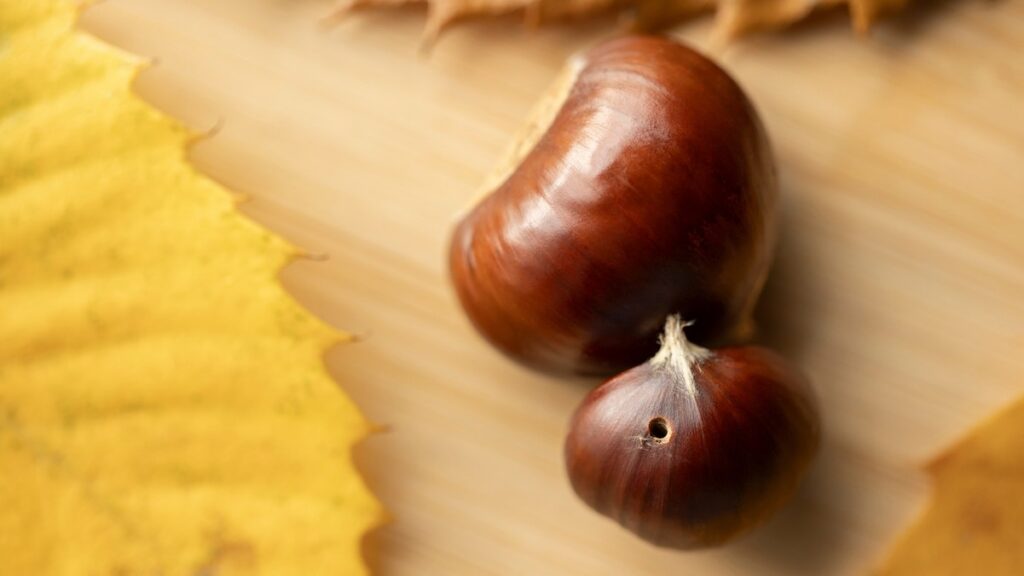
Check and store your chestnuts for longer freshness Credit: Lea Rae/shutterstock
Chestnuts are one of Spain’s most comforting autumn foods, but a flawless-looking nut can hide an unwelcome surprise. A small hole, a hollow shell or a dark centre often points to a chestnut weevil larva that entered the fruit weeks earlier, while it was still growing on the tree.
Knowing how to spot damaged chestnuts, and how to store the good ones can help you enjoy the season without waste up to the very last one.
Why chestnuts contain worms
Chestnut weevils lay their eggs inside developing chestnuts during late summer. Once the nuts ripen and fall, larvae may already be feeding inside, invisible from the outside.
After feeding, a larva leaves through a small, round hole and buries itself in the soil to spend winter. This explains why a chestnut can look perfect at purchase, then develop a hole a few days later.
How to spot a bad chestnut
Inspect chestnuts thoroughly before cooking them. A clean, round hole usually means a larva has already left the nut, so it is best to discard it. A soft, light or hollow-feeling chestnut may also be damaged, even without a visible hole.
Dark patches, mould or a sour smell are further reasons to discard a chestnut. One affected nut does not necessarily mean the whole bag is unusable; sort through the rest and cook only firm, unblemished fruit.
Use the water test with care
A bowl of cold water offers a quick way to sort chestnuts. Firm, healthy nuts usually sink, while empty, dried-out or insect-damaged ones often float.
This is a useful first check, but it is not fool proof. A chestnut containing a tiny larva may still sink because it has not lost enough weight. After sorting, dry every nut thoroughly before storage; moisture encourages mould.
Store raw chestnuts properly
For chestnuts you plan to eat within a couple of weeks, keep them cool, dry and ventilated. A mesh bag, paper bag or perforated plastic bag allows air to circulate and helps prevent dampness.
Refrigeration is best for short-term storage. Keep chestnuts unwashed in the vegetable drawer, ideally in a breathable bag, and check regularly for mould or holes.
Avoid washing chestnuts before storage unless you plan to dry them completely. Wet nuts piled together can blacken and rot from the inside.
Freeze chestnuts for months
Freezing is the most dependable way to keep chestnuts for longer. Sort them, discard any damaged nuts, dry them well and place them in freezer bags with as much air removed as possible.
Raw chestnuts can be kept frozen for a year or more. Freezing also kills larvae inside the nut, making it a practical safeguard before roasting or cooking.
Roasted chestnuts can be frozen too. Peel them while warm, let them cool completely, then freeze them in portions. Reheat them straight from frozen in the oven or pan, without refreezing once thawed.
Roast them safely
Before roasting, score each chestnut shell with a sharp knife. A shallow cut or cross lets steam escape and prevents the nuts from bursting during cooking.
Roast them in a single layer until the shells open, then peel while still warm. Cooked chestnuts should be tender, sweet and easy to peel.
Enjoy chestnuts all winter
Chestnut larvae are not toxic, but they spoil the fruit and make affected nuts unpleasant to eat. Checking for holes, using the float test, drying nuts properly and freezing a portion are the easiest ways to protect your purchase.
With a little care, Spain’s beloved chestnuts can stay sweet, firm and ready for the fire, oven or frying pan throughout the colder months.
Follow Euro Weekly News on Google News
Get breaking news from Spain, travel updates, and expat stories directly on your Google News feed.
Follow on Google NewsSign up for personalised news
Subscribe to our Euro Weekly News alerts to get the latest stories into your inbox!
By signing up, you will create a Euro Weekly News account if you don't already have one. Review our Privacy Policy for more information about our privacy practices.





Lucy Ramnought
Lucy Ramnought is a local news writer and mother of 4 from the UK who has lived in the Costa Del Sol for just over 4 years. With a background in content writing and social media for various companies, and with vast experience in PA and project management, Lucy is committed to producing accurate, engaging and reliable stories to her work at Euro Weekly News.
Comments