Spain’s €17bn electricity grid overhaul aims to unblock housing, factories and major investment
By Molly Grace • Published: 08 Nov 2026 • 23:16 • 3 minutes read
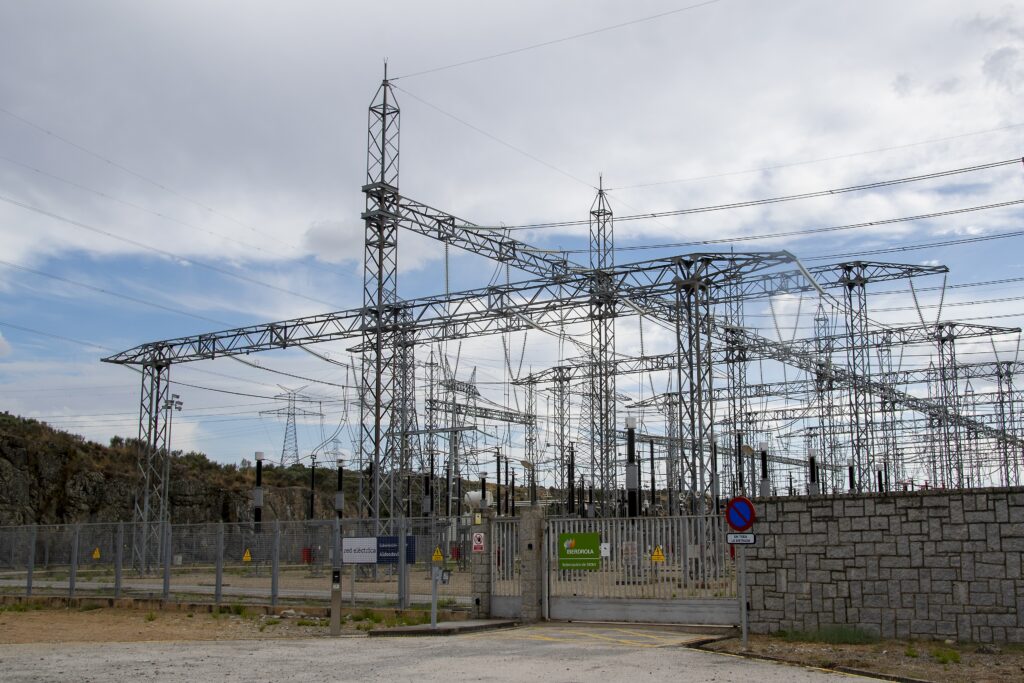
The proposal includes 19 new electricity substation sites. Photo credit: DFLC - Multmedia Designer/Shutterstock
The shortage of electricity connections has become another obstacle for Spain’s housing market, with new developments, factories and major investment projects competing for space on an already overstretched network. Now the Government is increasing the capacity it plans to make available to the autonomous communities, adding almost 20 gigawatts to its original proposal in a move that could unlock projects worth billions of euros.
The revised plan will make 47.3 gigawatts of additional connection capacity available for new demand by 2030, compared with the original 27.7 GW proposal presented in September 2025. The increase follows demands from regional governments, which have warned that insufficient access to the electricity network is holding back housing construction, industrial expansion and economic development.
Madrid, Aragón and Andalucía receive the biggest allocations
The investment required to deliver the expansion has also risen to more than €17 billion, €3.4 billion above the initial proposal. The number of connection points is set to increase by 52 per cent to 300, giving major electricity users more opportunities to connect to the national transmission network.
The distribution gives Madrid the largest additional allocation, with 6.5 GW, followed by Aragón with 6 GW and Andalucía with 5 GW. Castilla-La Mancha will receive 4.1 GW, while the Comunitat Valenciana has been allocated 3.8 GW. The increases reflect the different projects each region wants to attract. Madrid has pressed for more capacity to supply new housing developments in the north and south of the region, as well as planned data centres.
Andalucía, meanwhile, has asked the ministry to address what it considers a shortfall in its electricity network. La Rioja and the Balearic Islands will not receive additional demand connection capacity under the revised allocation, although their networks will still benefit from improvements to electricity transmission.
New homes, factories and green hydrogen projects
Access to electricity has become a major consideration for developers planning new housing, particularly in areas where existing networks cannot accommodate additional demand. Without an available connection, projects can struggle to progress even when land and planning permissions are in place. The revised plan identifies housing as a priority in Madrid, Andalucía, Catalonia, the Canary Islands, the Balearic Islands, Murcia, the Comunitat Valenciana and Castilla y León. More capacity is also earmarked for industrial development in the Basque Country, Cataluña, Galicia, Extremadura, Navarra, Murcia and the Comunitat Valenciana.
Data centres are included in the plans for Aragón and Madrid, while the availability of electricity for green hydrogen production is a priority in Andalucía, Castilla y León, Murcia, Cantabria, the Basque Country and Galicia. Rail electrification and cleaner port operations also feature in the proposals for several regions.
Andalucía provides an example of how the additional capacity could be used. Its allocation includes 5 GW for new electricity demand, with the regional proposal prioritising industry, including hydrogen production. According to the ministry, 70 per cent of the demand covered by its revised proposal relates to industrial projects, with the remainder covering housing, port decarbonisation and railway electrification.
A €17 billion investment with a long way to go
The infrastructure needed to support that expansion is substantial. In Andalucía alone, the proposal includes 19 new electricity substation sites, 1,283 kilometres of new power lines and improvements to another 651 kilometres of existing lines. The region is also expected to receive more than 8 GW of additional access capacity for renewable generation, alongside 1 GW for energy storage. Across Spain, the revised programme includes 193 electricity substations, 6,706 kilometres of new transmission lines and the upgrading of 8,164 kilometres of existing network.
The number of connection positions available to serve new demand through distribution networks will rise to 300, while positions for direct industrial consumption on the transmission network will reach 162. The plan follows an examination of 2,566 objections submitted by regional governments, businesses and other interested parties. The changes have increased the proposed investment from €13.6 billion to more than €17 billion, making it the largest electricity network planning programme in Spain’s history, according to the ministry.
When will the new electricity capacity become available?
However, announcing additional capacity does not mean every proposed home, factory or data centre will automatically receive an electricity connection. Red Eléctrica must still deliver the infrastructure, and developers must secure the necessary access permissions. Some projects have already experienced delays lasting up to 20 years, a problem the Government has previously criticised the network operator over.
The regional governments have also questioned the speed of the latest consultation process, with several councillors expressing concerns about the rushed meetings used to finalise the allocations. The ministry now wants to complete the remaining parliamentary step before taking the plan to the Council of Ministers.
Environment Minister Sara Aagesen is due to present the revised proposals to the Congressional Permanent Deputation on November 12. This will allow the Government to proceed with approval before the November 29 general election, after which it will enter caretaker status. For communities waiting for new homes, industrial investment and employment opportunities, the additional capacity could remove one of the obstacles holding projects back. But the real test will be whether the promised investment translates into functioning infrastructure and connections on the ground, rather than another round of plans waiting to be delivered.
Follow Euro Weekly News on Google News
Get breaking news from Spain, travel updates, and expat stories directly on your Google News feed.
Follow on Google NewsSign up for personalised news
Subscribe to our Euro Weekly News alerts to get the latest stories into your inbox!
By signing up, you will create a Euro Weekly News account if you don't already have one. Review our Privacy Policy for more information about our privacy practices.





Molly Grace
Molly is a British journalist and author who has lived in Spain for over 25 years. With a background in animal welfare, equestrian science, and veterinary nursing, she brings curiosity, humour, and a sharp investigative eye to her work. At Euro Weekly News, Molly explores the intersections of nature, culture, and community - drawing on her deep local knowledge and passion for stories that reflect life in Spain from the ground up.
Comments