Holiday horror: Two Brits found dead in Morocco hotel as safety fears grow
By Adam Woodward • Published: 09 Nov 2026 • 10:57 • 3 minutes read
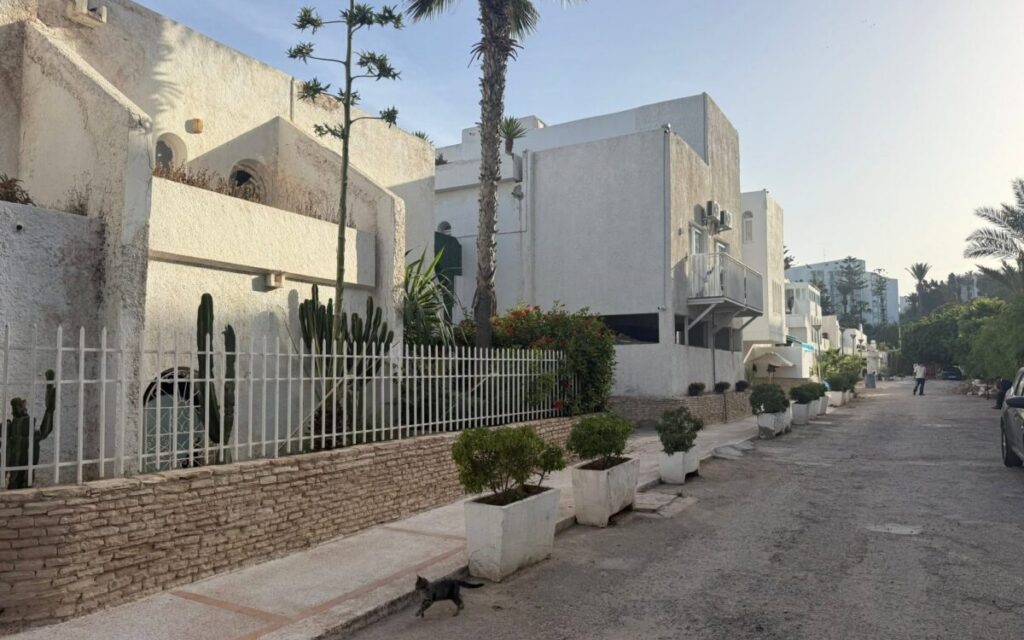
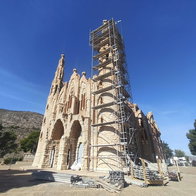
Agadir hotel under investigation. Credit MVFB
Two British holidaymakers have been found dead in a hotel in Morocco after a suspected carbon monoxide leak, raising serious questions about accommodation safety and the checks carried out at resorts outside the EU.
The bodies of the two tourists were discovered in their hotel room in Agadir on Monday, November 2. Several other guests staying at the same establishment were also reportedly taken to hospital after falling seriously ill.
Moroccan authorities launched an investigation following the incident, with police and forensic teams examining the property. The public prosecutor ordered post-mortem examinations to establish how the British tourists died.
Initial reports considered several possible explanations, including food poisoning and a gas leak. However, Moroccan publication Al Jarida 24 reported on November 6 that investigators had traced the incident to suspected carbon monoxide escaping from the hotel’s air-conditioning and cooling system.
The publication claimed that deteriorating pipes were responsible and that the hotel’s safety arrangements lacked appropriate gas detection equipment. These details have not yet been confirmed in a published official investigation, and the precise cause of the deaths remains subject to the authorities’ findings.
The British Foreign Office has confirmed it is supporting the families of the two victims and is in contact with local authorities in Morocco.
Are hotels outside Europe subject to the same safety standards?
The tragedy raises a question many holidaymakers rarely consider when booking accommodation: how confident can they be that hotels abroad are subject to the same safety requirements and inspection procedures they expect at home?
The incident also comes just weeks after another British woman was found dead in a separate hotel in Agadir. Clare Mitchell, 31, from Bolton, died on October 9, according to reports. There is currently no evidence to suggest the two cases are connected, and the circumstances surrounding her death have not been linked officially to the latest incident.
European travellers can become accustomed to familiar building regulations, fire precautions, equipment maintenance requirements and consumer protections. However, standards and enforcement arrangements are not identical everywhere.
Even within the European Union, there is still no single comprehensive law covering every aspect of hotel safety. A European Commission assessment of safety in tourist accommodation found that accommodation safety is largely governed by national rules, with different approaches across member states. An EU recommendation on fire safety in existing hotels also provides guidance rather than a universally binding hotel safety code.
Outside the EU, individual countries have their own legislation and systems for inspecting tourist accommodation. Morocco, for example, has its own regulations governing classified tourist establishments. The Spanish Foreign Ministry’s travel advice for Morocco also provides useful information for Spanish residents considering a visit.
That does not mean hotels outside Europe are automatically less safe. Nor does the Agadir incident establish that the country’s wider hotel industry has a safety problem.
However, it does express why travellers should not simply assume that inspection procedures, maintenance requirements and safety equipment will be identical wherever they choose to stay.
What should holidaymakers check?
Before booking, travellers can look further than photographs in glossy brochures, star ratings and swimming pool facilities. The reputation of the hotel, recent guest feedback and any available information about its safety arrangements are worth considering.
On arrival, guests should familiarise themselves with emergency exits and evacuation instructions. They should also report unusual smells, faulty equipment or other potential hazards to hotel management rather than ignoring them.
Don’t forget travel insurance
There is another important lesson for anyone travelling beyond Europe: never assume that access to healthcare or the cost of getting home will be covered.
A GHIC or EHIC card does not provide medical protection in Morocco, and neither is a substitute for comprehensive travel insurance. The NHS explains exactly what the Global Health Insurance Card and European Health Insurance Card cover, including their limitations on private treatment and medical repatriation.
The UK Foreign Office advises travellers to Morocco to arrange insurance covering medical treatment and unexpected medical evacuation. Its official Morocco health guidance also warns that public healthcare facilities provide limited medical care and that visitors should have adequate funds for treatment and repatriation.
For British expats living in Spain, the same warning applies. Being accustomed to European healthcare arrangements does not mean the same protection follows you on every holiday.
EWN has previously examined the potentially enormous cost of medical repatriation and why expats should not rely on their EHIC or GHIC alone.
Follow Euro Weekly News on Google News
Get breaking news from Spain, travel updates, and expat stories directly on your Google News feed.
Follow on Google NewsSign up for personalised news
Subscribe to our Euro Weekly News alerts to get the latest stories into your inbox!
By signing up, you will create a Euro Weekly News account if you don't already have one. Review our Privacy Policy for more information about our privacy practices.
Adam Woodward
Adam is a writer who has lived in Spain for over 25 years. With a background in English teaching and a passion for music, food, and the arts, he brings a rich personal perspective to his work at Euro Weekly News. As a father of three with deep roots in Spanish life, Adam writes engaging stories that explore culture, lifestyle, and the everyday experiences that shape communities across Spain.
Comments