Deadly rabies case confirmed after dog enters Spain from abroad
By Molly Grace • Published: 12 Nov 2026 • 23:28 • 2 minutes read
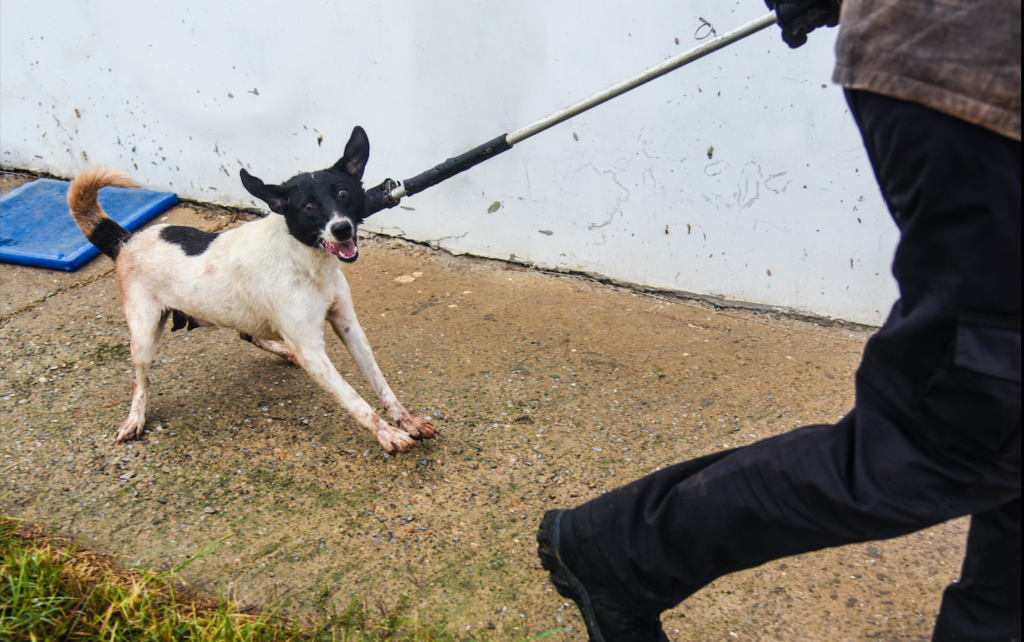
The dog's vaccination status was unknown when it entered Spanish territory. Photo credit: tsyklon/Shutterstock
A rabies infection is not something anyone wants to discover in their neighbourhood. Once symptoms develop, the disease is almost always fatal, making prompt treatment after exposure essential. For dog and cat owners in Ceuta, the latest confirmed case is another reminder of why keeping vaccinations up to date matters, particularly in a city bordering a country where rabies is still present.
The latest infection involved a dog that crossed from Morocco into Ceuta on October 28. Fortunately, it was spotted at the Tarajal border crossing and captured less than 30 minutes later, before it could come into contact with residents or other animals. The infection was confirmed on November 12 by Spain’s National Centre for Microbiology at the Carlos III Health Institute.
Dog showed worrying symptoms after crossing border
The dog’s vaccination status was unknown when it entered Spanish territory. Guardia Civil officers spotted it near the border and alerted the animal collection service, which managed to capture it shortly afterwards.
Its condition was already extremely poor. The animal was severely emaciated, had a limp in one leg and displayed continuous, frantic running behaviour. Given these symptoms and its arrival from a rabies-endemic area, veterinary authorities suspected infection and decided to euthanise it immediately.
Laboratory tests subsequently confirmed rabies using immunofluorescence and PCR, which detect the presence of the virus. One important detail is that the dog remained under continuous surveillance following its capture. Authorities confirmed that it had no contact with people or other animals, meaning no human or animal exposures have been identified in connection with this case.
Second rabies case recorded in Ceuta this year
Unlike mainland Spain, where terrestrial rabies has been eradicated, Morocco continues to report infections in both animals and humans. The country’s National Office for Food Safety (ONSSA) identifies rabies as an endemic disease found across much of its territory, with dogs acting as the main reservoir of infection.
The scale of the problem remains significant. According to the World Health Organisation, 451 human rabies cases were documented in Morocco between 2000 and 2022, averaging around 20 deaths annually. Animal infections are also regularly reported, with stray dogs representing a major source of transmission.
Why pet owners need to take rabies seriously
Although Spain and its islands have been free of terrestrial rabies since 1978, imported cases continue to occur occasionally in Ceuta and Melilla because of their proximity to countries where the disease remains present. The Ministry of Agriculture stresses that vaccination is one of the most important tools for preventing the spread of rabies. In Ceuta, annual rabies vaccination is compulsory for dogs, cats and ferrets, and owners must keep their animals’ vaccination records up to date.
The disease affects the central nervous system of mammals and can spread to humans through the saliva of an infected animal, usually following a bite or scratch. Once clinical symptoms appear, rabies is virtually always fatal. Anyone bitten or scratched by an animal suspected of carrying rabies should wash the wound thoroughly with soap and running water for at least 15 minutes before seeking urgent medical attention. Preventive treatment can stop the disease developing if administered promptly. Dogs, cats and ferrets in Ceuta must be vaccinated against rabies annually, with owners required to keep their animals’ vaccinations up to date.
Follow Euro Weekly News on Google News
Get breaking news from Spain, travel updates, and expat stories directly on your Google News feed.
Follow on Google NewsSign up for personalised news
Subscribe to our Euro Weekly News alerts to get the latest stories into your inbox!
By signing up, you will create a Euro Weekly News account if you don't already have one. Review our Privacy Policy for more information about our privacy practices.





Molly Grace
Molly is a British journalist and author who has lived in Spain for over 25 years. With a background in animal welfare, equestrian science, and veterinary nursing, she brings curiosity, humour, and a sharp investigative eye to her work. At Euro Weekly News, Molly explores the intersections of nature, culture, and community - drawing on her deep local knowledge and passion for stories that reflect life in Spain from the ground up.
Comments