Leonid meteor shower returns to Spain with its best display of shooting stars
By Molly Grace • Published: 15 Nov 2026 • 0:12 • 2 minutes read
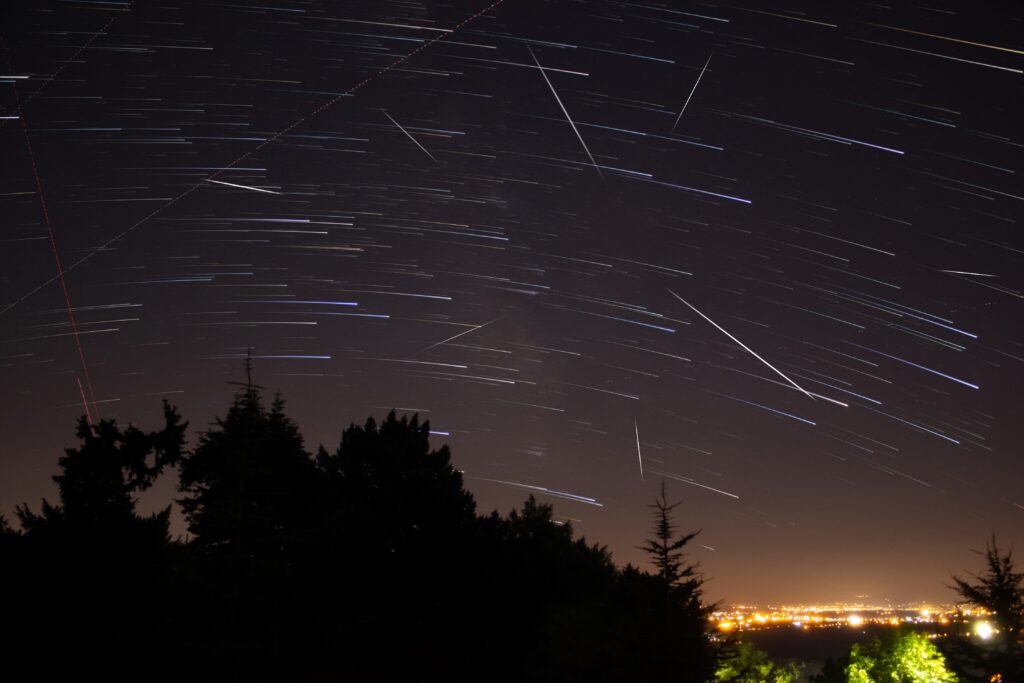
November 17 into 18 is expected to offer the strongest activity. Photo credit: AstroStar/Shutterstock
If you are hoping to catch a few shooting stars without travelling far or buying equipment, the Leonids offer a chance next week. Spain’s November meteor shower reaches its peak overnight on Tuesday, November 17, into Wednesday, November 18, with the best chance of seeing it after midnight.
This will not be a spectacular meteor storm, and anyone expecting hundreds of shooting stars is likely to be disappointed. The forecast is around 15 meteors an hour under ideal conditions, although the number visible will depend on how dark and clear the sky is.
When to see the Leonids in Spain
The National Geographic Institute (IGN) says the Leonids will reach maximum activity at approximately 00:45 on Wednesday, November 18, in mainland Spain and the Balearic Islands. In the Canary Islands, that is 23:45 on Tuesday, November 17. The meteor shower is active from November 6 to 30, so shooting stars may be visible on other nights.
However, November 17 into 18 is expected to offer the strongest activity. The Leonids are usually a modest shower, producing between 10 and 20 meteors an hour. The 2026 forecast is around 15 an hour in ideal viewing conditions, rather than the thousands sometimes associated with Leonid storms.
Where and how to watch the meteor shower
You do not need a telescope or binoculars to watch the Leonids. The IGN recommends leaving optical equipment aside because it narrows the amount of sky you can see. The best option is to get away from streetlights and other sources of light pollution, choosing an open spot with few obstructions. Buildings, trees and hills can block parts of the night sky, while urban lighting makes fainter meteors harder to pick out.
Although the meteors appear to come from the constellation Leo, they can streak across any part of the sky. There is no need to stare in one direction: settle somewhere comfortable, look towards the darkest area you can see and give your eyes time to adjust. The Moon should be less of a problem around the peak. It will be in its first quarter and is expected to set around midnight, leaving the later hours darker. The IGN says that, from latitudes around 40 degrees north, the Leonids’ radiant rises above the horizon from midnight and remains visible until dawn. A warm blanket can make the wait more comfortable, particularly if you plan to stay outside until dawn.
What causes the Leonids?
The shooting stars are tiny fragments left behind by comet 55P/Tempel-Tuttle. Earth passes through its trail of debris every November, and particles entering the atmosphere burn up, producing the streaks of light seen from the ground. The comet takes around 33 years to orbit the Sun.
Particularly dense trails can produce dramatic meteor storms. The Leonids are known for spectacular displays in the past, but no storm is forecast for 2026. Clear skies will decide how much of the shower people can see, so check local weather conditions before heading out. If clouds intervene on the peak night, the Leonids remain active until November 30, although activity will be lower.
Follow Euro Weekly News on Google News
Get breaking news from Spain, travel updates, and expat stories directly on your Google News feed.
Follow on Google NewsSign up for personalised news
Subscribe to our Euro Weekly News alerts to get the latest stories into your inbox!
By signing up, you will create a Euro Weekly News account if you don't already have one. Review our Privacy Policy for more information about our privacy practices.
Molly Grace
Molly is a British journalist and author who has lived in Spain for over 25 years. With a background in animal welfare, equestrian science, and veterinary nursing, she brings curiosity, humour, and a sharp investigative eye to her work. At Euro Weekly News, Molly explores the intersections of nature, culture, and community - drawing on her deep local knowledge and passion for stories that reflect life in Spain from the ground up.
Comments