Spain’s railway chaos deepens as minimum services ignored and fresh strike threatens
By Molly Grace • Published: 17 Nov 2026 • 23:15 • 2 minutes read
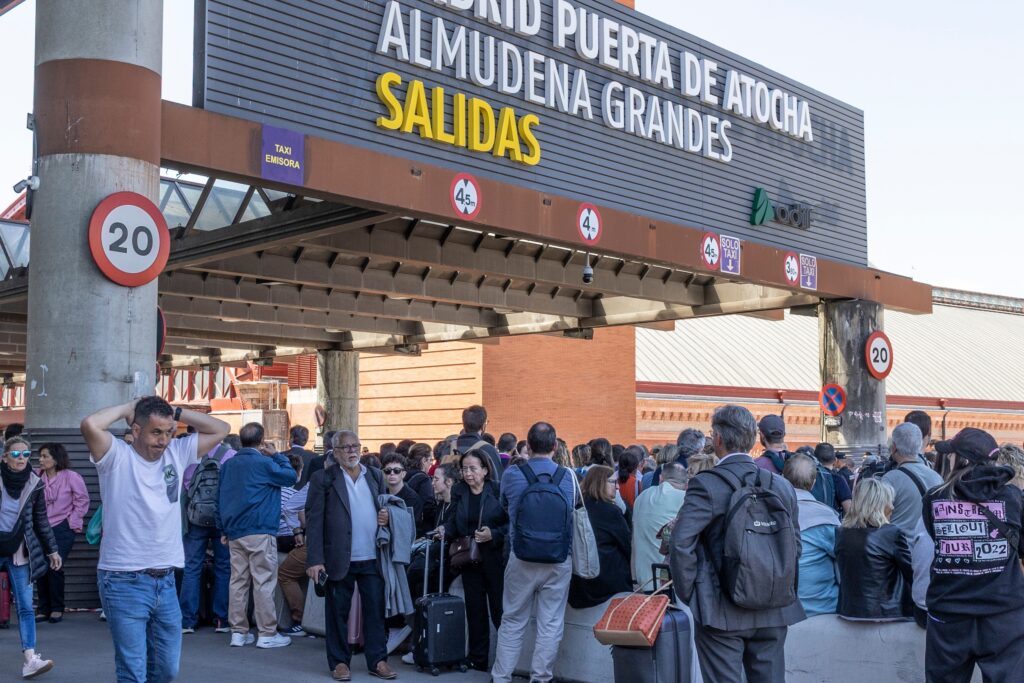
Workers are demanding stronger safety measures. Photo credit:Ekaterina Chuyko/Shutterstock
Spain’s railway passengers have spent Tuesday, November 17, facing cancelled trains, lengthy delays and packed stations, with some commuters finding that the services they were legally supposed to have simply never arrived. Madrid’s Cercanías network was almost brought to a standstill during the morning rush hour, while disruption spread to Barcelona and long-distance routes across the country.
The 24-hour strike, called by railway unions demanding stronger safety measures, has caused serious problems despite compulsory minimum services being ordered. Although some services began recovering during the afternoon, the disruption has already affected hundreds of thousands of journeys.
Madrid Cercanías almost brought to a halt
The worst disruption was in Madrid, where Renfe reported that 97.64 per cent of scheduled minimum services had been cancelled by 10.30am. The Ministry of Transport had ordered 75 per cent of normal Cercanías services to operate during peak hours, making the scale of the cancellations particularly serious for people relying on trains to get to work. By late afternoon, the situation had improved, but the network was still struggling. Renfe reported that 44 per cent of minimum services had been cancelled in Madrid after 05:00pm.
Barcelona’s Rodalies network was also badly affected, with around 41 per cent of scheduled minimum services cancelled by 6pm. The impact extended beyond the two biggest commuter networks. Renfe reported that 22.27 per cent of scheduled services across Cercanías, Rodalies, Avant and Media Distancia had been cancelled, affecting an estimated 666,275 passengers. High-speed and long-distance passengers were not spared either. Cancellations affected services operated by Renfe, Iryo and Ouigo, leaving travellers facing changes to their journeys and limited opportunities to find alternative trains.
Renfe and unions disagree over minimum services
One of the biggest disputes of the day has been over why so many trains failed to operate despite the minimum-service requirements. Renfe accused workers of failing to comply with the compulsory services ordered by the ministry. The company put overall strike participation among its eligible workforce at 16.75 per cent across the night, morning and afternoon shifts. SEMAF, the train drivers’ union, disputed Renfe’s explanation. It argued that the disruption was caused by poor management of minimum-service notifications, claiming that drivers had not been properly informed of their assigned duties.
The disagreement has left passengers caught between the two sides, with little reassurance about when their journeys would return to normal. Renfe advised customers to avoid unnecessary travel where possible and look for alternative transport. It also offered free changes and cancellations for affected tickets.
Safety concerns behind the walkout
The strike was called by several railway unions, including SEMAF, CCOO, UGT and CGT, following the fatal railway accidents at Adamuz in Córdoba and Urda in Toledo, which together claimed 115 lives. Workers are demanding stronger safety measures, better maintenance and additional staffing across the railway network. They also want commitments made during previous discussions to be fully implemented. SEMAF confirmed before the strike that industrial action would continue because important safety issues had not been definitively agreed or resolved, despite technical progress in talks with the Transport Ministry, Renfe and Adif.
That means Tuesday’s disruption may not be the end of the problem. With the safety dispute still unresolved, passengers could face further industrial action while railway workers continue pressing for changes. For the hundreds of thousands affected today, the immediate result has been a miserable day of disrupted travel. For the railway industry, the argument over how to make Spain’s trains safer is still very much on the tracks.
Follow Euro Weekly News on Google News
Get breaking news from Spain, travel updates, and expat stories directly on your Google News feed.
Follow on Google NewsSign up for personalised news
Subscribe to our Euro Weekly News alerts to get the latest stories into your inbox!
By signing up, you will create a Euro Weekly News account if you don't already have one. Review our Privacy Policy for more information about our privacy practices.



Molly Grace
Molly is a British journalist and author who has lived in Spain for over 25 years. With a background in animal welfare, equestrian science, and veterinary nursing, she brings curiosity, humour, and a sharp investigative eye to her work. At Euro Weekly News, Molly explores the intersections of nature, culture, and community - drawing on her deep local knowledge and passion for stories that reflect life in Spain from the ground up.
Comments