Why bookmakers give away millions in free bets every year (and is it viable?)
By Nicola EWN • Published: 19 Nov 2026 • 13:02 • 5 minutes read
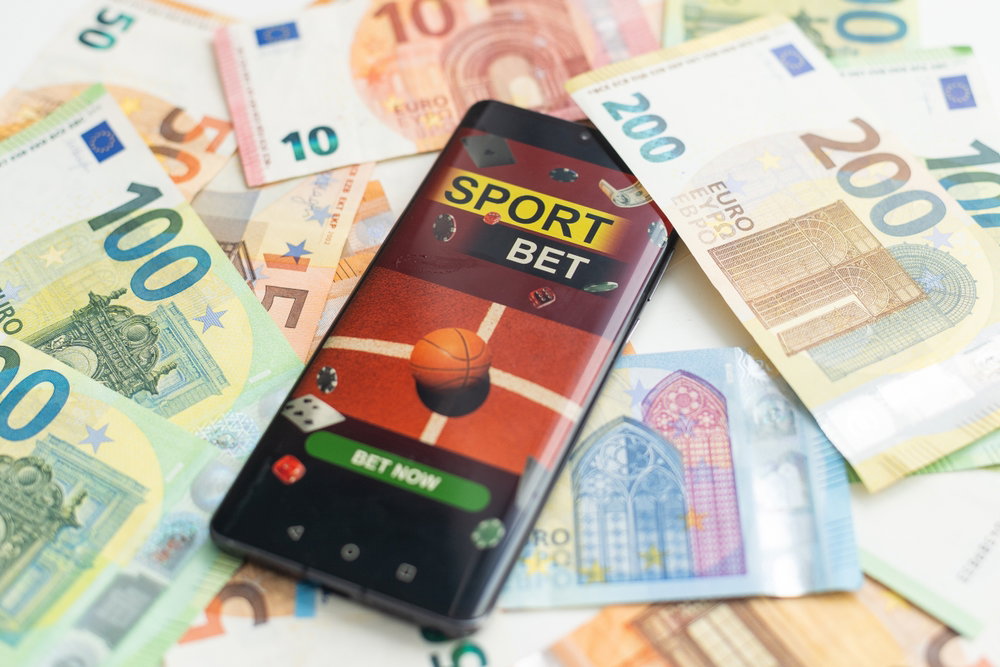
Credit: Andrew Angelov/Shutterstock.com
Every big horse racing meeting and Premier League weekend brings the same flood of offers: bet ten, get thirty free. Deposit twenty, get a matched bonus. Enhanced odds on the first goalscorer. You can’t watch live sport in the UK without tripping over a promotion, and the numbers behind them are massive.
The Gambling Commission reported £17.5 billion in gross gambling yield across Great Britain for the year ending March 2026, a 4.4% rise on the previous twelve months.
That’s what bookmakers and other operators kept after paying out all winnings, and a healthy portion of it gets pumped back into promotions designed to open new accounts. So why does an industry that already pulls in billions give away what looks like free money, and can it keep doing so under tighter regulation? The maths behind the giveaway tells one story, but what happened when the regulator stepped in tells another.
The real cost of a free bet
A free bet looks generous if you’re on the outside. Inside a bookmaker’s finance department, it’s a customer acquisition cost, and the logic behind it is dead simple. Someone opens an account, places a qualifying bet, claims a £30 bonus, and now that person has a profile, stored payment details and the beginnings of a betting habit. That account could stay active for years, placing wagers every weekend across football, racing, tennis and whatever else catches their eye.
Bookmakers don’t measure the free bet against what it costs them today. They measure it against what that customer will generate over an entire lifetime, and if the average account brings in more gross profit over its life than the bonus cost to open it, spending £30 looks like a bargain. Supermarkets do something similar when they sell bread at a loss just to get you through the door, but the margins in gambling are considerably wider. Remote casino, betting and bingo pulled in £8.3 billion in gross yield over the same period, up 6.9% on the year before, so the budget for bringing in new customers keeps growing right alongside revenue.
How “free” does the heavy lifting
Behavioural economists have a term for what happens when the price drops to zero. They call it the zero-price effect, and it describes how people will overvalue anything that appears to cost nothing. A £5 discount on a £20 product feels nice enough, but making something completely free triggers a response that’s wildly out of proportion to the actual saving. People won’t just prefer the free option. They’ll go out of their way for it, even when the paid alternative would give them more for their money.
That effect works overtime in betting promotions because of something researchers call the house money effect. When a punter gets £30 in free bets, they don’t treat that credit the way they’d treat £30 from their own pocket. Because the stake doesn’t feel like theirs, they may take bigger risks with it, backing a 10/1 outsider they’d never go near with real cash or building an accumulator with five legs when they’d normally stick to two. That behaviour can suit operators, because longer-odds bets typically carry a higher margin for the bookmaker. The punter may feel they’re playing with house money, but those riskier wagers tend to be the most profitable ones for the operator.
The reciprocity trap
Social psychology adds another layer to this, and it’s well documented. When someone gives you something, you feel a pull to give something back, even if you’re not consciously aware of it. A free bet lands in your account, you use it, you win or lose, and now you’re already in the habit of logging in, checking odds and thinking about what to back next. The bonus opens the door, and the ongoing activity that follows is the return bookmakers are hoping for.
This combination of zero-price attraction, house money risk-taking and a drip-feed of reciprocity is a big part of why free bets can convert casual punters into regular ones so effectively. It’s also the reason regulators eventually decided the model needed tighter boundaries around it.
What the gambling commission changed
New rules from the Gambling Commission came into force on 19 January 2026, and they targeted how promotional offers work. Bonus wagering requirements are now capped at ten times the bonus amount, which means a £10 bonus can’t demand more than £100 in bets before winnings become withdrawable. Before the cap existed, some operators were setting requirements at 30x, 40x or even higher, which forced customers to gamble far more than they probably intended just to unlock what they’d been promised.
On top of that, the Commission banned mixed-product promotions outright. Operators can no longer design offers that push a customer from one type of gambling to another, like offering a free casino spin as part of a sports betting sign-up deal. The aim was to shut down the cross-selling pipeline that moved punters from lower-risk products into higher-risk ones without them really noticing.
Can the giveaway model still pay off?
Tighter rules haven’t slowed the competition for new customers. A glance at a UK betting site’s round-up of today’s free bets shows the same spread as before the rules changed: bet-and-get deals, deposit matches, enhanced odds and money-back offers, refreshed daily as operators fight for sign-ups. Offers might look a bit leaner than they did a couple of years ago, but they certainly haven’t gone away.
The underlying economics still look sound. A bookmaker operating under a 10x wagering cap will design tighter promotions and accept a slightly lower conversion rate, but the lifetime value of a retained customer can still comfortably exceed the cost of the bonus. If anything, the cap forces operators to compete more on the quality of what they’re offering and how clearly they present the terms, which makes the game harder but not impossible. It also pushes the industry towards retention-based promotions, rewarding existing customers with loyalty offers instead of throwing the entire budget at new sign-ups.
What it means for punters
For the average bettor, these regulatory changes are a net positive. Clearer terms make it far easier to understand what you’re actually signing up for. A 10x wagering requirement on a £20 bonus means you’ll need to place £200 in bets before you can withdraw anything, and that’s at least a number you can weigh up before deciding to opt in. Before the cap, some offers buried their real cost in complicated terms that most people never bothered to read.
But the psychological machinery behind free bets hasn’t gone anywhere. The zero-price effect still pulls people in. The house money effect can still make them bet bigger than they normally would, and the habit-forming loop of sign up, claim, bet, return still drives the entire customer acquisition engine. Knowing how it all works won’t make anyone immune to it, but it will help punters make sharper decisions about which offers are genuinely useful and which ones are designed to get them spending beyond what they planned.
Where the industry goes from here
Free bets have survived regulatory scrutiny, public debate and a full overhaul of the rules governing how promotions can be structured. That alone tells you plenty about how profitable the model remains. Bookmakers don’t give away millions because they’re generous, and they never have. Every free bet is an investment in a customer relationship that operators expect to pay for itself.
What’s different now is the precision required. The era of eye-watering wagering requirements and confusing cross-product bundles has ended, and operators who leaned on those tactics will need to find smarter ways to build loyalty. For punters, the takeaway is clear enough: a free bet is never really free, but under the new rules, at least the price tag has become a lot easier to read.
18+ only. Please gamble responsibly. UK: GamCare gamcare.org.uk. Spain: jugarbien.es | 900 200 225. USA: National Problem Gambling Helpline 1-800-522-4700. This article contains an affiliate link. The offers mentioned are for UK and Ireland customers.
Follow Euro Weekly News on Google News
Get breaking news from Spain, travel updates, and expat stories directly on your Google News feed.
Follow on Google NewsSign up for personalised news
Subscribe to our Euro Weekly News alerts to get the latest stories into your inbox!
By signing up, you will create a Euro Weekly News account if you don't already have one. Review our Privacy Policy for more information about our privacy practices.




Nicola EWN
Nicola is a member of the editorial team specialising in features, digital content and online publishing. With broad experience across media and communications, she works across feature articles, editorial content and digital platforms, managing content across a range of subjects.
Comments