Christmas seafood warning: buying Galician favourites early could save you money in Spain
By Lucy Ramnought • Published: 19 Nov 2026 • 13:39 • 2 minutes read
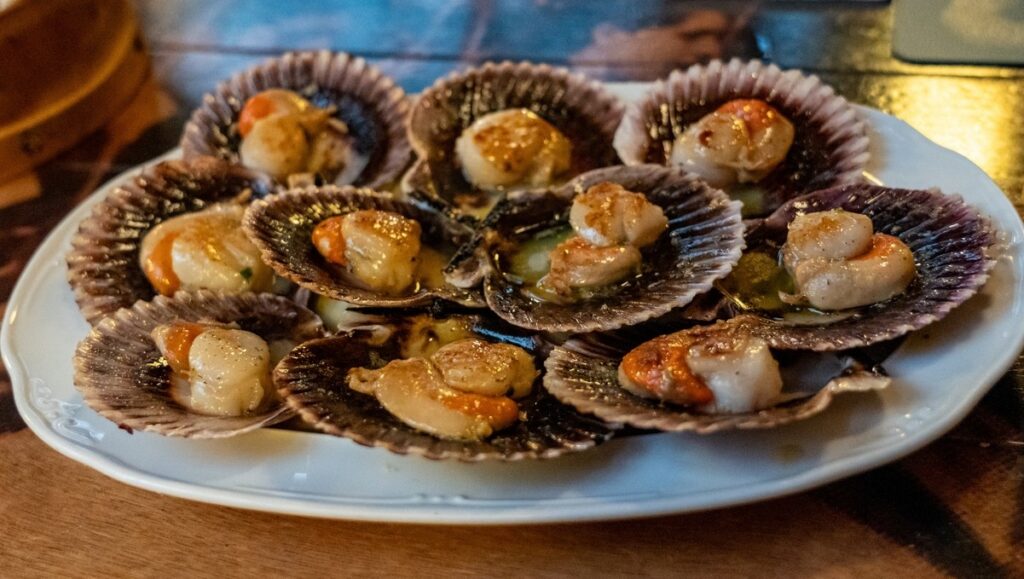
Enjoy Galician seafood for less at Christmas by planning ahead Credit: MGARCIA_CREATIVE/shutterstock
It’s always a more expensive time of year and families living in Spain could face a much bigger Christmas seafood bill this season, but buying some traditional festive favourites before the end of November could help keep costs under control.
Christmas is a time when many British residents in Spain look forward to enjoying the country’s traditional seafood dishes, whether at home with family or around a table with friends. However, waiting until the last few days before Christmas could prove expensive.
Historical data from Galicia indicate that a basket of seven popular seafood products becomes, on median, 62 per cent more expensive by Christmas Eve than in the second half of November.
An analysis by Lonja Galicia, based on official first-sale auction prices from 2016 to 2025, shows how sharply costs can rise as festive demand increases. Although the figures relate to Galician fishing auctions rather than supermarket or fishmonger prices across Spain, they offer a useful indication of the seasonal pressures affecting some of the country’s best-loved seafood.
Which seafood becomes most expensive before Christmas?
Goose barnacles, known in Spain as percebes, record one of the biggest historical increases, with prices typically rising by 69 per cent. Velvet crab, or necora, tops the list at 70 per cent, while spider crab, known locally as centolla, follows at 64 per cent. Small prawns, called camaron, also become considerably more expensive, with a typical increase of 57 per cent.
Other products include lobster, fine clams and edible brown crab, known in Spain as buey de mar. Their historical increases are generally lower, although they can still add considerably to the cost of a festive seafood meal.
Why November 28 is a date worth remembering
For anyone planning a traditional seafood feast, late November may be the best time to start shopping.
Historical data indicate that, until 28 November, goose barnacles, spider crab, velvet crab and small prawns generally cost less than 10 per cent above their mid-to-late-November starting price in most of the years studied.
After that, prices typically begin climbing more quickly. By December 20–24, the seven-product basket is typically 62 per cent more expensive than its November starting point. These are historical patterns, not guaranteed price predictions for Christmas 2026. Actual costs will depend on catches, weather, availability and demand.
How you can keep Christmas costs down
Planning ahead could make a huge difference for households hoping to enjoy traditional Spanish seafood without overspending.
Speaking to a trusted local fishmonger before December gets busy is a good starting point. Asking about expected prices, availability and the possibility of reserving particular products can help avoid last-minute disappointment.
Buying suitable seafood earlier and freezing it correctly may also be worth considering. However, different species require different handling and storage methods, so shoppers should follow food safety advice and check whether their chosen products are suitable for freezing.
Another option is to choose alternatives. If goose barnacles or spider crab become too expensive, other seafood choices may offer better value while still providing a festive meal.
For anyone welcoming family over for Christmas, keeping an eye on seafood prices now could help make the celebrations more affordable. A little preparation in November could help households enjoy Spain’s wonderful seafood traditions without putting quite so much pressure on the festive budget.
Follow Euro Weekly News on Google News
Get breaking news from Spain, travel updates, and expat stories directly on your Google News feed.
Follow on Google NewsSign up for personalised news
Subscribe to our Euro Weekly News alerts to get the latest stories into your inbox!
By signing up, you will create a Euro Weekly News account if you don't already have one. Review our Privacy Policy for more information about our privacy practices.





Lucy Ramnought
Lucy Ramnought is a local news writer and mother of 4 from the UK who has lived in the Costa Del Sol for just over 4 years. With a background in content writing and social media for various companies, and with vast experience in PA and project management, Lucy is committed to producing accurate, engaging and reliable stories to her work at Euro Weekly News.
Comments