Fish prices soar across Spain as thousands of fishmongers close
By Molly Grace • Published: 17 May 2026 • 23:17 • 3 minutes read
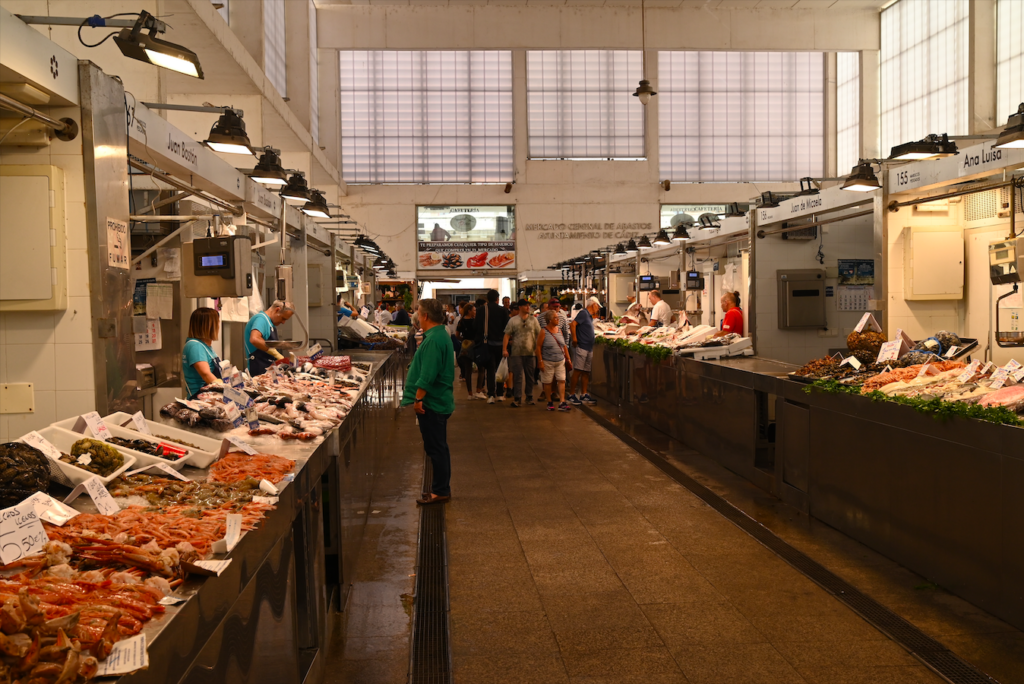
Fish prices in Spain have risen by around eight per cent over the past year. Photo credit:RVillalon / Shutterstock.com
Fish has long been central to Spanish cuisine, from family meals to seaside restaurants, yet rising prices and changing eating habits are reshaping the country’s relationship with seafood. What was once considered an affordable staple in many households is increasingly becoming a more expensive and less frequent purchase. Fish prices in Spain have risen by around eight per cent over the past year, while national consumption has fallen by approximately 30 per cent over the last decade.
The decline has placed growing pressure on the fishing industry, with more than 5,000 fishmongers reportedly closing during that period as demand continues to weaken. The sector is facing difficulties from several directions at once. Rising fuel costs, inflation, transport expenses and higher operating costs have all contributed to more expensive seafood prices in markets and supermarkets across the country. Industry professionals warn that the increases are affecting every stage of the supply chain, from fishing vessels and wholesalers to local retailers and restaurants.
Higher Prices Changing Consumer Habits
For many households, fresh fish is no longer considered an affordable everyday food. Consumers are increasingly reducing purchases or replacing fish with cheaper alternatives such as chicken, pasta or processed meals as they attempt to manage wider increases in living costs. The change is particularly noticeable among younger generations, many of whom are buying less fresh seafood than previous generations.
Convenience is playing a major role in the shift, with younger consumers often preferring ready meals and products requiring less preparation time. Preparing whole fish at home is increasingly viewed as less practical compared with frozen foods or pre-packaged meals. Traditional fishmongers are among the businesses most affected by the decline. Independent seafood stalls and local fish shops, once common features across Spanish towns and cities, are struggling to compete with large supermarket chains selling frozen and pre-packaged seafood products at lower prices.
Coastal Economies Under Pressure
The closures are becoming increasingly visible in urban areas as well as smaller coastal towns. In many places, long-established family-run fishmongers that served communities for decades have disappeared entirely. Industry representatives fear the trend could continue if consumption keeps falling and younger consumers move further away from fresh seafood. The situation is also creating concern in fishing regions heavily dependent on seafood sales and tourism.
Coastal communities linked to the fishing industry are facing growing uncertainty as falling demand affects suppliers, wholesalers, restaurants, transport companies and local markets. Galicia, one of Spain’s most important fishing regions, has already introduced measures aimed at supporting the sector. Regional authorities recently announced a €50 voucher scheme intended to encourage consumers to purchase more fish and seafood products in an attempt to boost sales and support local businesses.
Impact on Residents and Holidaymakers
The concern within the industry is not only economic but cultural. Fish has traditionally formed part of the Mediterranean diet associated with Spain, particularly in coastal areas where fresh seafood has historically been a daily staple. Many within the sector fear that changing habits among younger generations could permanently alter traditional food culture. Restaurant owners are also being forced to adapt as seafood prices continue rising. Some establishments have reduced portion sizes, increased menu prices or switched to cheaper species in order to remain competitive.
Smaller family-run restaurants are considered particularly vulnerable because they often rely heavily on fresh local seafood. For residents, the continuing rise in seafood prices may further change eating habits as households attempt to reduce grocery spending. Families already dealing with higher electricity, rent and general food costs may continue limiting fresh fish purchases despite its nutritional importance.
Tourism and Long-Term Concerns
Health specialists have frequently linked fish consumption to the benefits of the Mediterranean diet, particularly because of its lean protein content and omega-3 fatty acids. A sustained decline in consumption could gradually weaken dietary patterns long associated with Spanish cuisine and coastal lifestyles.
Holidaymakers visiting Spain may also notice the impact during the busy summer season. Seafood dishes in restaurants, especially in coastal resorts, islands and tourist hotspots, are becoming noticeably more expensive than in previous years. Traditional meals such as grilled sardines, octopus dishes and seafood paella are increasingly reflecting the higher market price of fresh fish.
Visitors may also encounter fewer independent seafood markets in some destinations as closures continue across the sector. In some towns, historic fishmongers that once formed part of daily local life have already disappeared, replaced by supermarkets or convenience stores offering cheaper alternatives. Despite the challenges facing the industry, seafood remains deeply tied to Spain’s identity, tourism and regional economies. However, with prices continuing to rise and consumption continuing to fall, concerns are growing over whether one of the country’s most traditional industries can maintain its place in everyday Spanish life.
Follow Euro Weekly News on Google News
Get breaking news from Spain, travel updates, and expat stories directly on your Google News feed.
Follow on Google NewsSign up for personalised news
Subscribe to our Euro Weekly News alerts to get the latest stories into your inbox!
By signing up, you will create a Euro Weekly News account if you don't already have one. Review our Privacy Policy for more information about our privacy practices.




Molly Grace
Molly is a British journalist and author who has lived in Spain for over 25 years. With a background in animal welfare, equestrian science, and veterinary nursing, she brings curiosity, humour, and a sharp investigative eye to her work. At Euro Weekly News, Molly explores the intersections of nature, culture, and community - drawing on her deep local knowledge and passion for stories that reflect life in Spain from the ground up.
Comments