Hackers strike at the heart of US law enforcement by targeting FBI criminal database
By Molly Grace • Published: 21 Nov 2026 • 22:31 • 2 minutes read
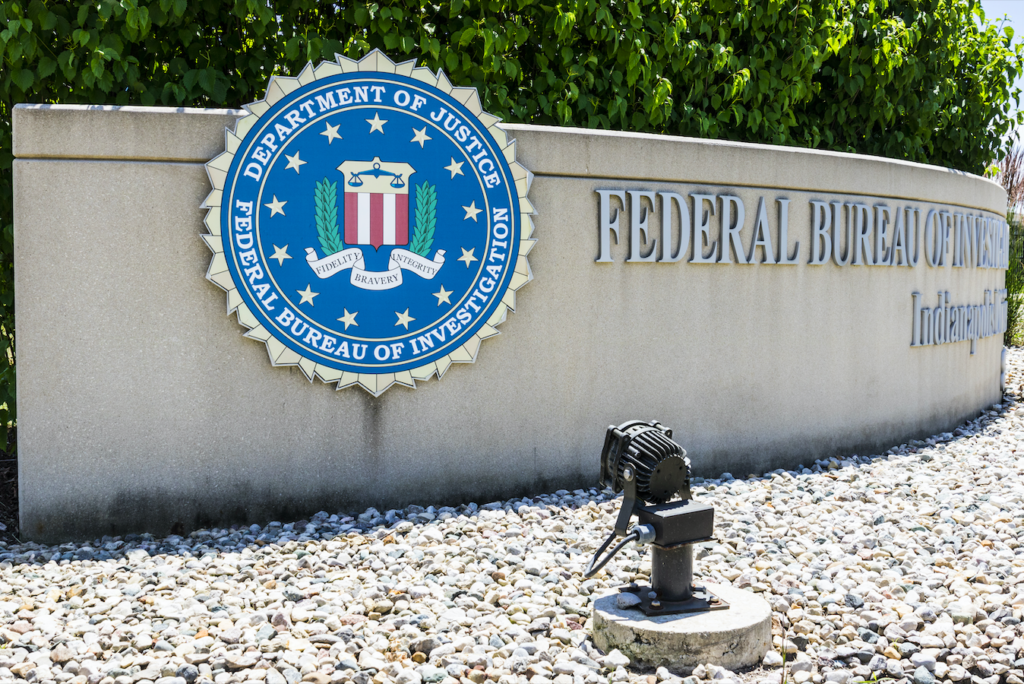
The latest investigation follows an earlier cyberattack in September. Photo credit: Jonathan Weiss/Shutterstock
Millions of police checks, arrest warrants and criminal records rely on a database accessed by law enforcement officers across the United States every day. Now, the FBI is investigating whether hackers have broken into the system, raising concerns about the security of information used to identify wanted criminals, check suspects and support police investigations. The suspected intrusion involves the National Crime Information Center (NCIC), one of the most important information-sharing systems used by American law enforcement.
The incident, reported on November 20, is the second reported breach involving FBI systems in just a few months. Two people briefed on the investigation sources that the bureau was examining an apparent intrusion. The FBI had not publicly confirmed the breach or established what information might have been accessed.
What information could hackers have accessed?
The NCIC is used by federal, state and local law enforcement agencies to exchange information needed for investigations and routine police operations. Its records include outstanding arrest warrants, criminal histories, missing persons reports and information about stolen vehicles and firearms. Officers can consult the system when checking whether someone is wanted, verifying a warrant or accessing information relevant to an investigation.
Its importance extends well beyond the FBI. Police departments throughout the country depend on the database being available and accurate, sometimes when making decisions during fast-moving situations. Hackers accessing confidencial information could therefore have consequences beyond the theft of personal data. If criminals gained access to sensitive records, they could potentially obtain details about wanted individuals, police investigations or information that would otherwise remain restricted to law enforcement.
There are also concerns about the possibility of records being altered, although there is currently no evidence that this has happened or that police operations have been disrupted. Investigators have yet to establish whether information was copied, how the suspected attackers gained access or how long they might have remained inside the system.
Second FBI security breach in a few months
The investigation follows an earlier cyberattack in September, when hackers targeted FBIJobs.gov, the bureau’s recruitment website. The hacking group ShinyHunters claimed responsibility for stealing sensitive personal information belonging to current and former FBI employees and people who had applied for jobs with the agency. The compromised information reportedly included personal details that could expose those affected to further security risks.
The September incident prompted an investigation into how the attackers had accessed the recruitment system and what information had been taken. However, there is currently no evidence linking ShinyHunters to the latest suspected intrusion into the NCIC. Investigators have also not established whether the two incidents involved the same methods or attackers.
FBI yet to establish the extent of the damage
The latest incident raises questions about the protection of information held by an agency responsible for investigating cybercrime and protecting national security. For police officers, the reliability of the NCIC is particularly important. Information about outstanding warrants and criminal records can influence decisions during traffic stops, arrests and investigations. Any compromise of that information could create serious problems if its accuracy could no longer be trusted.
At present, however, the FBI has not confirmed that records have been altered, stolen or made inaccessible. The investigation is continuing, with the extent of the suspected intrusion, the identity of those responsible and the information potentially exposed still unknown.
Follow Euro Weekly News on Google News
Get breaking news from Spain, travel updates, and expat stories directly on your Google News feed.
Follow on Google NewsSign up for personalised news
Subscribe to our Euro Weekly News alerts to get the latest stories into your inbox!
By signing up, you will create a Euro Weekly News account if you don't already have one. Review our Privacy Policy for more information about our privacy practices.





Molly Grace
Molly is a British journalist and author who has lived in Spain for over 25 years. With a background in animal welfare, equestrian science, and veterinary nursing, she brings curiosity, humour, and a sharp investigative eye to her work. At Euro Weekly News, Molly explores the intersections of nature, culture, and community - drawing on her deep local knowledge and passion for stories that reflect life in Spain from the ground up.
Comments