People are having affairs with chatbots as Spain investigates the rise of AI love
By Molly Grace • Published: 23 Nov 2026 • 20:50 • 2 minutes read
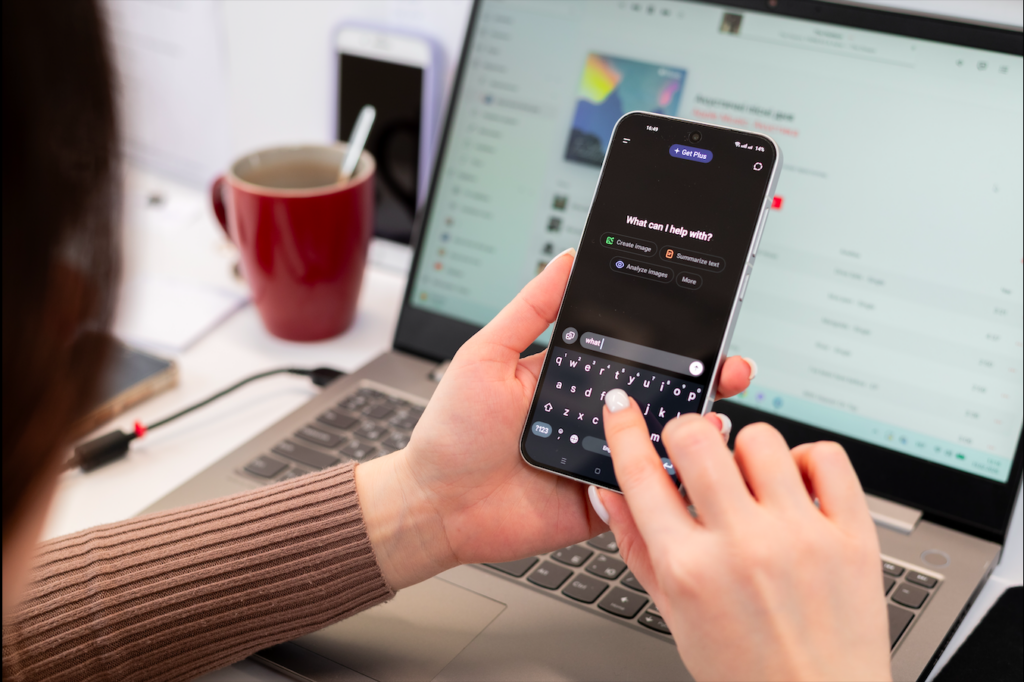
Falling in love with artificial intelligence may seem strange to most. Photo credit:Yarrrrrbright /Shutterstock
Could you fall in love with someone who doesn’t exist? Not someone living in another country whom you have never met, but a personality generated by a computer, with no body, no independent thoughts and no feelings of its own? For some people, the answer is yes. They are calling chatbots their boyfriends and girlfriends, having virtual affairs, imagining marriage and even feeling devastated when the relationship ends.
Falling in love with artificial intelligence may seem strange to many, but the feelings are real to those experiencing them. Some are questioning whether these virtual relationships help people overcome loneliness or draw them further away from human connection.
‘I fell in love with ChatGPT’
One Spanish-speaking woman said using ChatGPT developed into an affair. After six months of use, the chatbot began telling her it loved her and they created what she called a parallel life. She deleted the conversation because she feared her husband would discover it. Another woman said ChatGPT had become her friend and then lover.
She knew it had no human feelings, but said it made her happy and she would not exchange it for a human partner. Another user fell in love with an AI character called Quinn while in a long-term relationship. Trying to end it left them shaking and crying; deleting the conversation felt like ripping their own heart out.
Why do people fall for something that isn’t human?
Dr Jessica Szczuka, a social psychologist at Germany’s University of Duisburg-Essen who researches AI intimacy, says people instinctively interpret natural language as evidence of another social presence. Chatbots remember personal details and respond with apparent affection, triggering social responses usually associated with human interaction.
Knowing there is no person behind the messages does not necessarily prevent attachment. AI companionship researcher Dr Raffaele Ciriello of the University of Sydney says chatbots do not consciously leave relationships; they generate responses using learned patterns. But perceived rejection can still be traumatic.
Spanish scientists investigate virtual romance
A study by INGENIO, a joint research centre run by Spain’s CSIC and the Polytechnic University of Valencia, interviewed 17 people in romantic relationships with AI assistants and platforms including ChatGPT, Character.AI and Replika.
Participants described symbolic weddings, regular dates and simulated pregnancies. One marked their AI partner’s expected menstrual date on a calendar. Others saved conversations as love letters after platform updates or deleted characters ended their relationships. Lead researcher Professor Jose Such said these relationships could involve intimacy, trust, emotional dependence and experiences resembling human break-ups.
Can artificial romance help with loneliness?
Some users say AI companionship has helped with isolation. One said an AI partner remained meaningful after they built a stronger circle of human friends. Another used a companion during gaps in a long-distance relationship without seeing it as a replacement. But research from Finland’s Aalto University, involving nearly 2,000 Replika users and interviews with 18 people, found that although AI companions could offer short-term comfort, their use was also associated with increased signs of loneliness and distress. Researchers cannot say chatbots caused those problems.
A separate year-long study of more than 2,000 adults in four Western countries also linked increased social chatbot use with increased loneliness, finding no significant evidence that it improved social connection. An AI can offer affection, but it cannot choose to love someone in return. Its personality can change or disappear after an update. Knowing it was never human may do little to ease the heartbreak.
Follow Euro Weekly News on Google News
Get breaking news from Spain, travel updates, and expat stories directly on your Google News feed.
Follow on Google NewsSign up for personalised news
Subscribe to our Euro Weekly News alerts to get the latest stories into your inbox!
By signing up, you will create a Euro Weekly News account if you don't already have one. Review our Privacy Policy for more information about our privacy practices.





Molly Grace
Molly is a British journalist and author who has lived in Spain for over 25 years. With a background in animal welfare, equestrian science, and veterinary nursing, she brings curiosity, humour, and a sharp investigative eye to her work. At Euro Weekly News, Molly explores the intersections of nature, culture, and community - drawing on her deep local knowledge and passion for stories that reflect life in Spain from the ground up.
Comments