Doñana conservation backfire? Wildlife protection linked to decline of native trees
By Adam Woodward • Published: 24 Nov 2026 • 12:16 • 2 minutes read
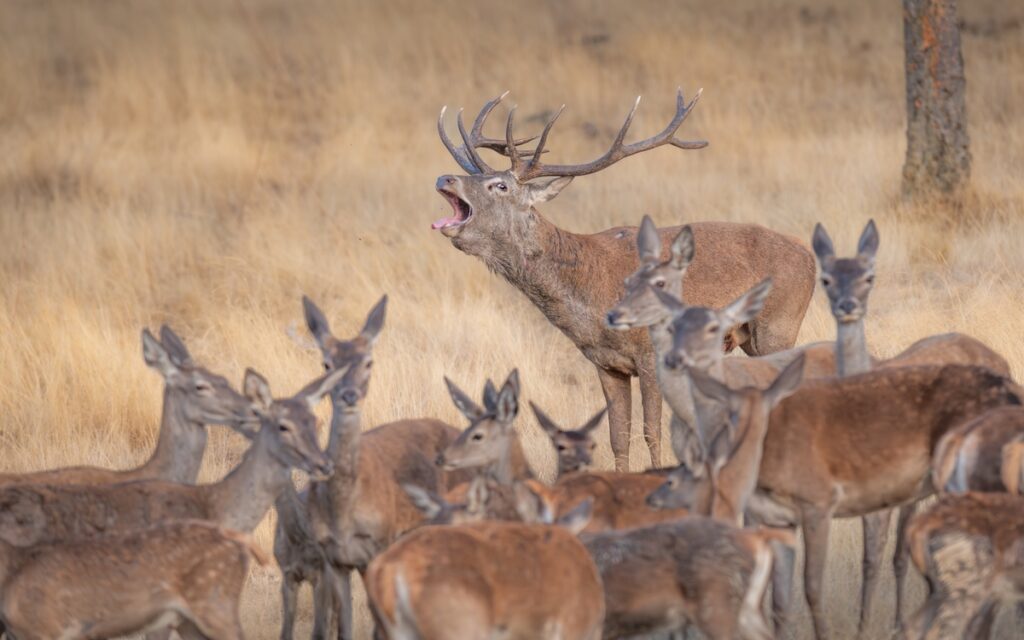
Deer in Doñana. Credit: The physio - Shutterstock
Protecting wildlife in one of Spain’s best-known national parks may be having an unexpected consequence as deer and wild boar are destroying a native tree type.
Young saplings and fruit needed to produce the next generation of the tree are being devoured by enlarged populations of the un-hunted animals.
A 20-year scientific study by the Doñana Biological Station (CSIC) has examined the decline of the Iberian wild pear, known in Spanish as the piruétano (Pyrus bourgaeana). Researchers warn that the tree could face extinction in Doñana National Park unless its wider environmental problems are addressed. The study published by the Doñana Biological Station monitored five populations, two inside the national park and three outside it.
More than 350 seedlings were recorded, but fewer than 12 per cent survived their first three years. Researchers found that munching by animals was the main cause of seedling deaths inside the park. Outside its boundaries, drought and agricultural activity, including ploughing, were more important factors.
The team also recorded almost 2,540 young trees, with browsing damage particularly high inside the park and around Hinojos. Deer and wild boar eat seedlings and saplings, while also consuming or destroying large quantities of fruit before seeds can spread.
Researchers believe the increase in wild herbivore numbers over recent decades may be connected to the decline or local disappearance of natural predators, including wolves. Foxes and badgers also play an important role by spreading the tree’s seeds, meaning their decline creates another obstacle to regeneration.
Groundwater adds to the problem
Wildlife pressure is not the only threat. At Matasgordas, more than 60 per cent of mature, fruit-producing trees died over two decades. This coincided with falling groundwater levels in the northern part of the park.
Excessive water extraction, including illegal wells, intensive agricultural irrigation and growing demand from homes and tourism, have all placed pressure on the aquifer. Prolonged drought and rising temperatures add to the strain.
EWN has previously reported on the long-running threat of groundwater extraction to Doñana, while a European Court of Justice ruling over illegal groundwater extraction in the park also underlined the scale of the problem.
Is wildlife management needed?
Hunting is prohibited in Spanish national parks, but the findings have reopened debate about how high numbers of wild herbivores should be managed. Researchers suggest controlling excessive animal populations or restoring a more natural balance between predators and prey.
Wild boar population management is already a subject of debate elsewhere. EWN has reported on a cull targeting wild boar in the Cartagena area to protect vulnerable flora.
The scientists are not arguing that hunting bans alone caused the decline. Their message is that legal protection for a national park cannot guarantee the survival of every species if water supplies, natural predators and the wider ecosystem are not properly managed, rather than just blanket measures such as full bans on hunting.
The research, published in Biological Conservation under the title Wild pears in peril: Does National Park protection ensure tree conservation?, also questions whether the tree’s current IUCN classification of Least Concern reflects the risks facing some populations.
The findings point to a wider conservation lesson: protecting a landscape means managing the whole ecosystem, not simply drawing a boundary around it.
Follow Euro Weekly News on Google News
Get breaking news from Spain, travel updates, and expat stories directly on your Google News feed.
Follow on Google NewsSign up for personalised news
Subscribe to our Euro Weekly News alerts to get the latest stories into your inbox!
By signing up, you will create a Euro Weekly News account if you don't already have one. Review our Privacy Policy for more information about our privacy practices.


Adam Woodward
Adam is a writer who has lived in Spain for over 25 years. With a background in English teaching and a passion for music, food, and the arts, he brings a rich personal perspective to his work at Euro Weekly News. As a father of three with deep roots in Spanish life, Adam writes engaging stories that explore culture, lifestyle, and the everyday experiences that shape communities across Spain.
Comments