Spain moves to ban flavoured vapes and restrict nicotine pouches
By Molly Grace • Published: 24 Nov 2026 • 23:21 • 2 minutes read
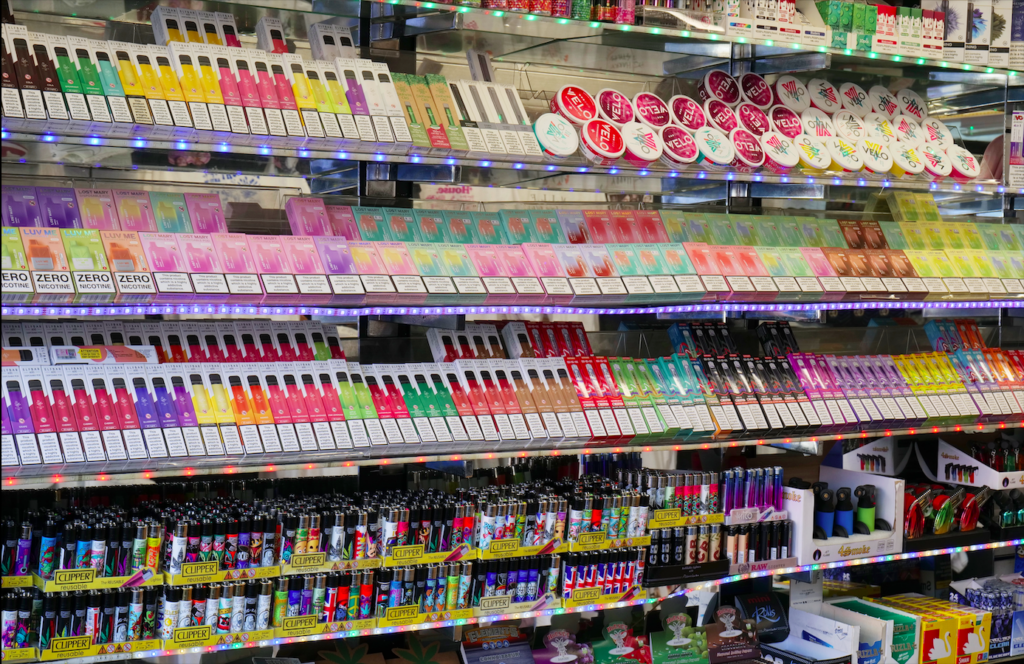
The most visible change is a ban on vape aromas and flavours other than tobacco. Photo credit: B..Robinson/Shutterstock
People in Spain who use flavoured vapes could soon find their products disappearing from shops, while users of nicotine pouches may face restrictions on how much nicotine each pouch contains. The Government has approved a decree changing how these products are regulated, although consumers and retailers will have to wait for the final text to learn exactly when the restrictions will take effect.
The measure amends Royal Decree 579/2017, the legislation governing the manufacture, presentation and sale of tobacco products and related items. It introduces rules for nicotine pouches and heated herbal products, which have not previously had their own specific categories under the Spanish framework.
Flavoured vapes face tighter rules
The most visible change is a ban on vape aromas and flavours other than tobacco. That would remove the fruit, sweet and other flavour options that have helped make electronic cigarettes attractive to some users, particularly younger consumers.
The Ministry of Health had already set out its intention to restrict flavourings in its draft regulation, arguing that sweet and artificial flavours can make these products more appealing. The ministry also wanted the rules to cover electronic cigarettes without nicotine, bringing them within requirements for product information and health warnings.
The approved decree is also expected to introduce clearer rules for products made from heated herbs. These are distinct from conventional cigarettes: the material is heated rather than burned, but the products will now fall within the updated regulatory framework.
Nicotine pouch limits still need clarification
Nicotine pouches, small sachets placed between the gum and lip, are another major focus. They deliver nicotine without requiring users to smoke or vape, and have become a growing part of the market. The Ministry of Health’s earlier draft proposed a maximum of 0.99 milligrams of nicotine per pouch. However, that figure cannot yet be treated as the final legal limit.
The Government has not published the approved decree in the Official State Gazette, and the final text is needed to establish whether the proposed dose has been retained or changed. The final nicotine limit will determine which strengths manufacturers are allowed to produce and which nicotine pouches retailers will still be able to sell in Spain. Until the approved figure is published, businesses cannot be certain which products will have to be withdrawn.
What happens to products already on sale?
The original draft also included transition periods to give businesses time to adapt. It proposed 10 months for manufacturers to comply with new production, packaging and labelling requirements, followed by 12 months for retailers to sell existing stock. Those deadlines were part of the draft, however, and should not be assumed to apply unchanged to the approved version. The final decree must set out when the restrictions begin and what happens to products already on shop shelves.
The measure does not introduce plain packaging for tobacco products, despite that being considered during earlier stages of the proposal. Nor should it be confused with the separate anti-smoking bill, which sought to expand smoke-free areas and restrict smoking and vaping in more public places. That bill’s parliamentary progress was interrupted by the election timetable.
The Government’s approval was reported on November 24, but the measure received little explanation in the public account of the Cabinet meeting. Until the full text appears in the BOE, vape users, pouch consumers and shop owners will be left waiting for the precise limits, deadlines and conditions. For consumers, the effect could be a narrower choice of vape flavours and fewer nicotine pouch options. For retailers, the final transition rules will determine how quickly their ranges need to change.
Follow Euro Weekly News on Google News
Get breaking news from Spain, travel updates, and expat stories directly on your Google News feed.
Follow on Google NewsSign up for personalised news
Subscribe to our Euro Weekly News alerts to get the latest stories into your inbox!
By signing up, you will create a Euro Weekly News account if you don't already have one. Review our Privacy Policy for more information about our privacy practices.




Molly Grace
Molly is a British journalist and author who has lived in Spain for over 25 years. With a background in animal welfare, equestrian science, and veterinary nursing, she brings curiosity, humour, and a sharp investigative eye to her work. At Euro Weekly News, Molly explores the intersections of nature, culture, and community - drawing on her deep local knowledge and passion for stories that reflect life in Spain from the ground up.
Comments