More paid leave, more promises: Sánchez announces 20-week parental leave just days before Spain heads to the polls
By Lottie Verrier • Updated: 25 Nov 2026 • 13:50 • 2 minutes read
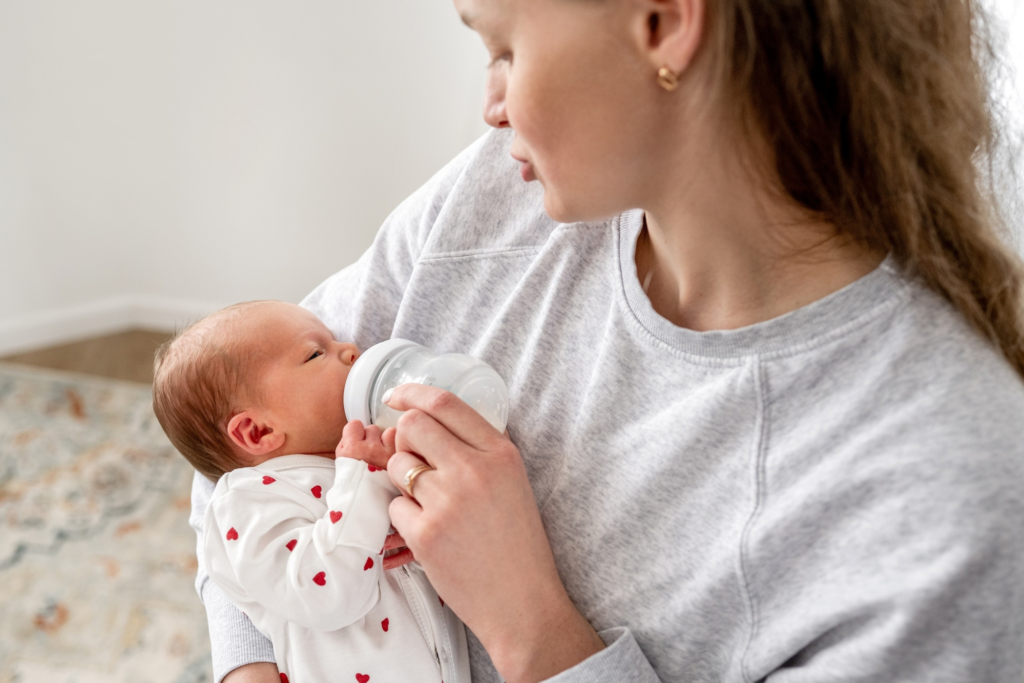
Spain announces more paid leave for parents Credit: Shutterstock/T.Vyc
From giving workers more time to grieve following the death of a loved one to allowing new parents to spend longer at home with their babies, Spain’s government has been announcing a succession of family-friendly reforms.
However, it is the timing of these announcements that is particularly noteworthy.
Just five days before the November 29 general election, the government of Pedro Sánchez announced an extension to paid birth and childcare leave, increasing the entitlement to 20 weeks per parent and 34 weeks for single-parent families.
For working families across Spain, the additional leave represents a potentially significant improvement to their everyday lives. Politically, however, the announcement comes at a particularly sensitive moment, as the government seeks to demonstrate its achievements before voters head to the polls.
Spain announces more paid leave for parents
Under the latest measures, paid birth and childcare leave will increase from 19 to 20 weeks for each parent, while single-parent families will see their entitlement rise from 32 to 34 weeks.
The reform also provides greater flexibility, with three weeks of leave available to parents before their child reaches the age of eight, increasing to six weeks for single-parent families.
The changes build upon Spain’s existing system of individual, non-transferable parental leave, which aims to encourage a more equal distribution of childcare responsibilities.
For British and other international residents employed in Spain, the changes are equally relevant, subject to the applicable Social Security eligibility requirements.
A flurry of reforms before election day
The parental leave extension is not the only family-focused measure to emerge from the government in recent days.
Plans to increase paid bereavement leave to ten days following the death of a loved one have also made headlines, putting employment rights and family welfare at the centre of the government’s final days before the election.
Both measures address some of life’s most emotionally challenging moments, offering workers greater financial security when family responsibilities take priority over professional commitments.
Their announcement within such a short period before polling day inevitably places them under greater political scrutiny.
Social progress or electoral strategy?
With voters preparing to cast their ballots, the government has an opportunity to highlight policies that offer tangible benefits to working households.
Additional paid leave is a particularly relatable issue for families struggling to balance childcare, employment and financial pressures.
However, the Ministry of Labour maintains that extending parental leave was already a commitment contained within the government’s coalition agreement, rather than an entirely new electoral pledge.
That distinction is important. While the timing invites questions about electoral strategy, it does not establish that the reforms were motivated solely by the forthcoming election.
What happens after Spain votes?
For employees, the most important question is whether the announcements will translate into lasting employment rights.
The legislative process surrounding the measures will therefore remain significant beyond election day, particularly where parliamentary approval is required.
For now, the government has placed another substantial social reform in the spotlight just days before the election. Whether voters interpret the announcements as the fulfilment of longstanding commitments or question their last-minute timing remains to be seen.
Follow Euro Weekly News on Google News
Get breaking news from Spain, travel updates, and expat stories directly on your Google News feed.
Follow on Google NewsSign up for personalised news
Subscribe to our Euro Weekly News alerts to get the latest stories into your inbox!
By signing up, you will create a Euro Weekly News account if you don't already have one. Review our Privacy Policy for more information about our privacy practices.




Lottie Verrier
Lottie Verrier is a journalist and digital media specialist based in Mallorca. After a decade in London media, including a role as Deputy Editor for the MailOnline’s eCommerce division, she now combines her editorial expertise with a passion for the island to create engaging content that celebrates the best of life in Spain. Instagram @lottieinmallorca
Comments