Spain to give workers ten days of paid leave following the death of a loved one
By Lottie Verrier • Updated: 24 Nov 2026 • 9:17 • 3 minutes read
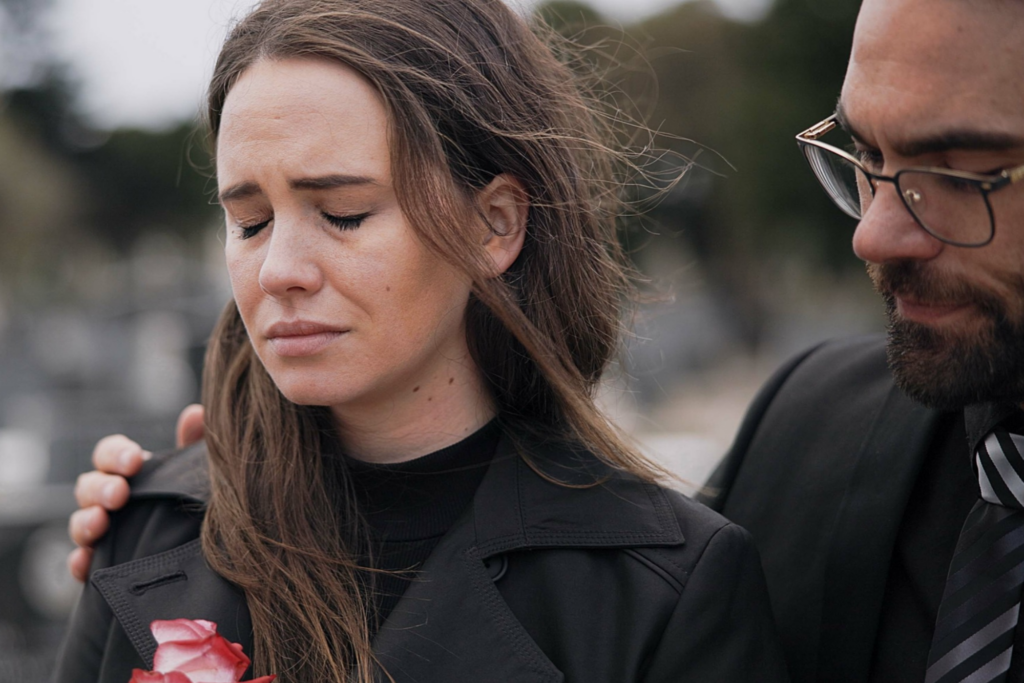
Spain is preparing to make a significant change to its employment laws, giving workers more time to grieve without the additional worry of losing their income Credit: Shutterstock/PeopleImages
Losing a loved one is one of life’s most devastating experiences, yet for many workers in Spain, the reality of returning to work just days after a bereavement has added another layer of distress to an already overwhelming situation.
From organising a funeral and dealing with paperwork to supporting grieving children and relatives, the immediate aftermath of a death leaves little time for processing the emotional impact of loss.
Now, Spain is preparing to make a significant change to its employment laws, giving workers more time to grieve without the additional worry of losing their income.
The Council of Ministers is expected to approve a royal decree-law on Tuesday, November 24, extending paid bereavement leave from two to ten working days following the death of an immediate family member.
The measure was announced on Monday, November 23, by Spanish Prime Minister Pedro Sánchez and Labour Minister Yolanda Díaz.
Who will qualify for ten days of paid bereavement leave in Spain?
Under the new legislation, employees will be entitled to ten paid working days following the death of their:
-
Husband or wife
-
Registered domestic partner (pareja de hecho)
-
Mother or father
-
Son or daughter
Workers will be able to use their entitlement within the four weeks following the death, offering greater flexibility to manage family responsibilities, funeral arrangements and administrative obligations.
The reform represents a fivefold increase in the standard statutory entitlement for immediate family members. Under existing legislation, employees generally receive two days of paid leave, increasing to four when travel is necessary.
Bereavement leave for other relatives, including siblings, grandparents, grandchildren and certain in-laws, will increase to three working days, rising to five when travel is required.
What does the change mean for British expats working in Spain?
For British nationals employed in Spain, the reform could make a particularly meaningful difference.
Living overseas can present additional complications when a family member dies. Arranging last-minute flights, travelling back to the UK, attending a funeral and helping relatives settle personal affairs can easily take longer than the existing statutory allowance.
The extended entitlement would give eligible employees considerably more breathing room without having to rely as heavily on annual holiday allowances or negotiate additional time away from work.
The entitlement is based on employment rights under Spanish labour legislation rather than nationality. However, self-employed workers, including those registered as autónomos, would not automatically benefit from the same paid leave arrangements.
More support for families facing end-of-life care
The reform also aims to support employees before the death of a loved one.
Workers whose qualifying relatives require palliative care will be able to reduce or adapt their working schedules, allowing them to spend more time with family members approaching the end of their lives.
A separate one-day leave entitlement will also be introduced for those accompanying someone undergoing legally authorised euthanasia.
The measures recognise that family responsibilities during a loved one’s final days can be difficult to reconcile with professional commitments.
Why has the reform taken so long?
The extension of bereavement leave was first proposed in October 2025, with the Ministry of Labour subsequently reaching an agreement with trade unions CCOO and UGT in December.
However, employers’ organisations CEOE and Cepyme opposed the proposals, raising concerns about the financial burden on businesses.
The final version is less extensive than the original agreement, which would have granted ten days of leave following the deaths of a wider range of relatives.
When will Spain’s new bereavement leave rules come into force?
Despite the government’s commitment to introducing the changes, their long-term future is not yet guaranteed.
Once approved by the Council of Ministers, the royal decree-law is expected to take effect upon publication in Spain’s Official State Gazette (BOE). However, it will still require parliamentary ratification to remain in force.
With Spain’s general election taking place on Sunday, November 29, the timing adds an element of uncertainty to the legislative process.
Until the decree is officially published, workers should continue to follow their existing employment arrangements and consult their employer or applicable collective agreement regarding bereavement entitlements.
While no amount of time away from work can erase the pain of losing someone, the reform could give thousands of families across Spain something particularly precious during their darkest days: time.
Follow Euro Weekly News on Google News
Get breaking news from Spain, travel updates, and expat stories directly on your Google News feed.
Follow on Google NewsSign up for personalised news
Subscribe to our Euro Weekly News alerts to get the latest stories into your inbox!
By signing up, you will create a Euro Weekly News account if you don't already have one. Review our Privacy Policy for more information about our privacy practices.




Lottie Verrier
Lottie Verrier is a journalist and digital media specialist based in Mallorca. After a decade in London media, including a role as Deputy Editor for the MailOnline’s eCommerce division, she now combines her editorial expertise with a passion for the island to create engaging content that celebrates the best of life in Spain. Instagram @lottieinmallorca
Comments