Spanish shoppers may have been paying more for Coca-Cola as Brussels launches investigation
By Molly Grace • Published: 23 Nov 2026 • 23:30 • 2 minutes read
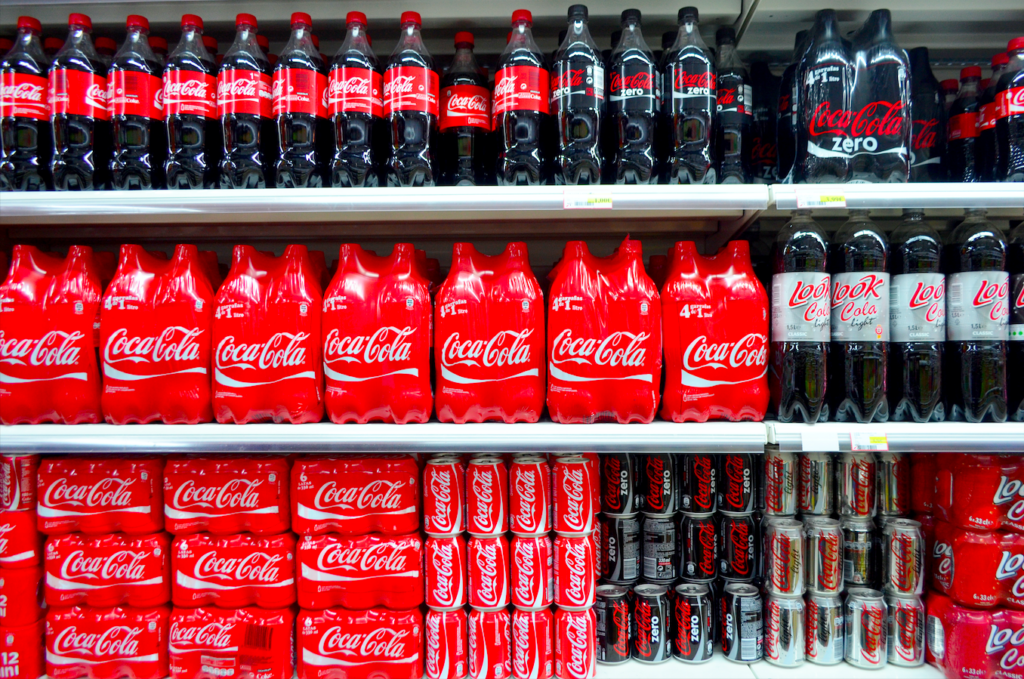
Brussels suspects CCEP may have deliberately used different bottle and can sizes in different countries. Photo credit:Glynsimages2013/Shutterstock
Spanish shoppers could have been missing out on cheaper Coca-Cola products from other European countries, with Brussels now investigating whether the drinks giant’s bottling partner deliberately made cross-border trade more difficult. The formal investigation, announced on Monday, November 23, concerns Coca-Cola Europacific Partners (CCEP), the company responsible for producing, distributing and selling Coca-Cola brands across Spain and seven other European countries.
Brussels suspects the company may have abused its dominant position in the wholesale soft drinks market by making it harder for supermarkets and other retailers to buy products across national borders. If the allegations are established, Spanish consumers could have been affected by reduced competition and fewer opportunities for retailers to secure better wholesale prices.
Why Brussels is looking at Coca-Cola in Spain
One of the most significant concerns relates specifically to Spain. The Commission is investigating whether CCEP offered incentives to supermarkets and other retailers to discourage them from importing Coca-Cola drinks from other EU countries.
Investigators are also examining whether wholesale discounts were conditional on retailers agreeing not to export drinks purchased in one country to another EU member state. Another issue concerns packaging. Brussels suspects CCEP may have deliberately used different bottle and can sizes in different countries to make it more difficult to trade products across borders.
Supermarkets prevented from negotiating better deals
The Commission also wants to establish whether CCEP refused to allow certain wholesale customers to negotiate supply agreements covering several European countries at once. Instead, retailers may have been required to negotiate separate purchasing agreements in each national market.
For supermarket groups operating across Europe, the ability to negotiate collectively can provide greater purchasing power and potentially better prices. Requiring separate national negotiations could limit that advantage. CCEP is one of Europe’s two largest bottlers supplying drinks under Coca-Cola brands and is the largest carbonated soft drinks supplier in the eight EU countries where it operates. The investigation covers wholesale supplies to supermarkets and other retailers selling products for consumption away from their premises. Restaurants, hotels, bars and cafés are not included in this particular case.
What Coca-Cola says about the investigation
CCEP has said it takes competition law very seriously and is committed to complying with all applicable legislation in every market where it operates. In a statement published on November 23, the company confirmed it would continue cooperating fully with the European Commission but declined to comment further while the investigation is under way.
The investigation follows unannounced inspections at CCEP premises in several European countries in March 2025. Those inspections allowed investigators to gather information about the company’s commercial practices before deciding to open formal proceedings.
What happens next in the EU investigation
Brussels will now examine whether the suspected behaviour breaches Article 102 of the Treaty on the Functioning of the European Union, which prohibits companies from abusing a dominant market position. There is no fixed legal deadline for completing the investigation. Its duration will depend on the complexity of the case, the evidence gathered and the company’s cooperation.
For those of us shopping in Spain, the outcome could have implications beyond one familiar fizzy drink. If retailers have been prevented from sourcing products freely across Europe, the investigation could expose barriers that limit competition and leave customers with fewer opportunities to benefit from lower prices.
Follow Euro Weekly News on Google News
Get breaking news from Spain, travel updates, and expat stories directly on your Google News feed.
Follow on Google NewsSign up for personalised news
Subscribe to our Euro Weekly News alerts to get the latest stories into your inbox!
By signing up, you will create a Euro Weekly News account if you don't already have one. Review our Privacy Policy for more information about our privacy practices.



Molly Grace
Molly is a British journalist and author who has lived in Spain for over 25 years. With a background in animal welfare, equestrian science, and veterinary nursing, she brings curiosity, humour, and a sharp investigative eye to her work. At Euro Weekly News, Molly explores the intersections of nature, culture, and community - drawing on her deep local knowledge and passion for stories that reflect life in Spain from the ground up.
Comments