Seven strangers registered at Marbella home without owner’s knowledge
By Adam Woodward • Published: 23 Nov 2026 • 20:57 • 2 minutes read
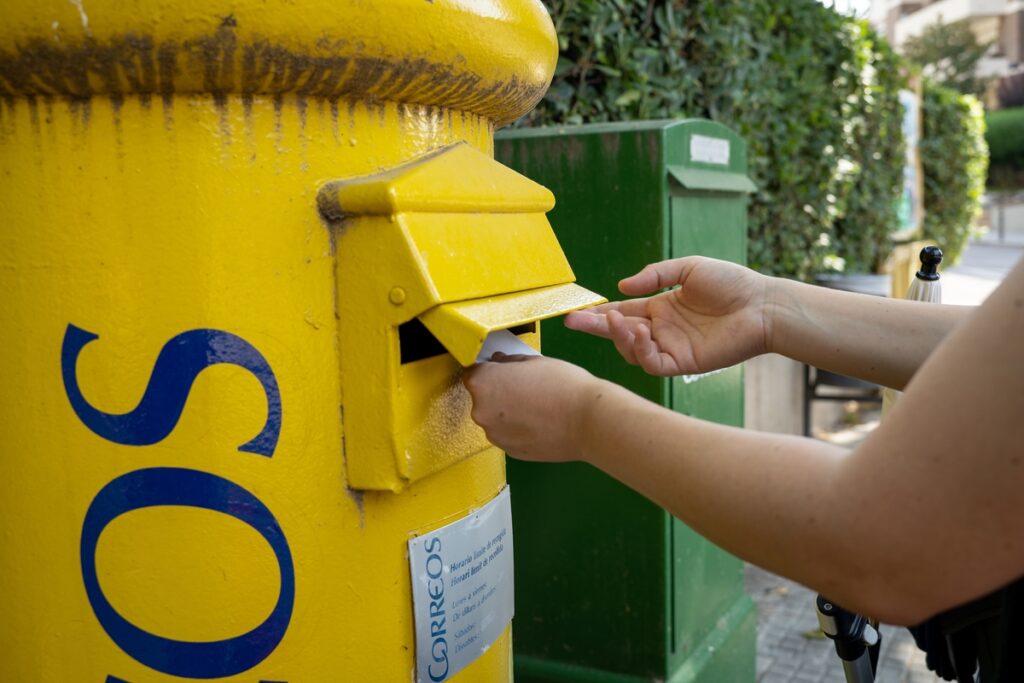
Official postbox. Credit: Guillem de Balanzo - Shutterstock
Homeowner discovers seven unknown names on property records just days before Spain’s November 29 general election.
A Marbella homeowner has discovered that seven people he says he has never met are officially registered as living at his property, after receiving electoral cards addressed to strangers just six days before Spain’s general election.
Ricardo Solanas, who has lived at his home in the Artola urbanisation for 20 years, was alerted to the situation when several voting-related letters arrived bearing unfamiliar names but his exact address. Initially believing they were delivery mistakes, he decided to investigate after receiving further correspondence.
A certificate obtained from Marbella Town Hall reportedly showed that 12 people were registered at the property, including seven who Solanas says have no connection with his family.
Seven registrations made during 2026
According to a report by Spanish news outlet Demócrata, citing information given to ABC, the seven registrations were made at different times this year. Two were recorded on March 16, another on May 11, and four more on October 29. The individuals are reportedly from Colombia, Venezuela and Mexico.
Solanas says his family has never authorised the registrations and that the property has never been rented out. He has questioned how the applications were processed and what documentation was accepted.
His family has asked Marbella Town Hall to remove the seven names from the municipal register, known as the padrón. According to Solanas, council officials have indicated that the situation will be corrected and that he will receive confirmation once the process is complete.
Could the registrations affect the election?
The timing has raised questions because Spain’s general election takes place on November 29. However, the registrations do not automatically mean that the seven individuals could vote.
Spain’s electoral census for these elections closed on August 1, 2026. Consequently, the four registrations dated October 29 came too late to be included in the census for this election under the normal rules. The Spanish electoral law sets out how the electoral register is compiled.
There is another important distinction: only Spanish nationals aged 18 or over who are registered on the electoral census can vote in general elections. Being registered on the padrón does not give foreign residents an automatic right to vote. EWN has previously explained which Spanish elections British residents can vote in.
No evidence has so far established that the registrations were connected to electoral fraud. Solanas is considering referring the matter to the local electoral authority, while his family awaits an explanation of who submitted the applications and how seven unfamiliar names came to be associated with their home.
The case also raises practical questions for property owners about how municipal registration applications are checked and what happens when someone discovers strangers registered at their address. Further information about the November 29 poll is available from the National Statistics Institute (INE).
Follow Euro Weekly News on Google News
Get breaking news from Spain, travel updates, and expat stories directly on your Google News feed.
Follow on Google NewsSign up for personalised news
Subscribe to our Euro Weekly News alerts to get the latest stories into your inbox!
By signing up, you will create a Euro Weekly News account if you don't already have one. Review our Privacy Policy for more information about our privacy practices.

Adam Woodward
Adam is a writer who has lived in Spain for over 25 years. With a background in English teaching and a passion for music, food, and the arts, he brings a rich personal perspective to his work at Euro Weekly News. As a father of three with deep roots in Spanish life, Adam writes engaging stories that explore culture, lifestyle, and the everyday experiences that shape communities across Spain.
Comments