The true cost of getting married in Spain in 2025
By Ion Axinescu • Published: 11 May 2025 • 20:49 • 4 minutes read
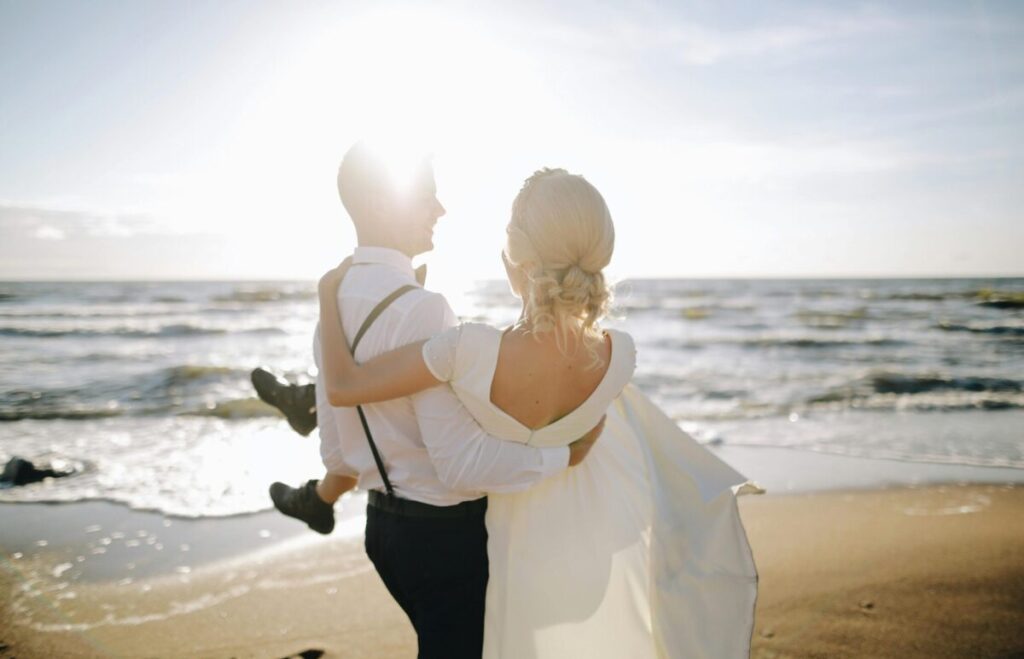
How much does a wedding in Spain cost in 2025? Credit: Pexels
May is here, and the wedding season has officially begun across Spain. And it will continue throughout the sunny months to come.
Planning a wedding in sunny Spain is THE DREAM for many couples from all over Europe or the United States. The scenery, the food, the Mediterranean vibe, here’s the ideal recipe for getting married.
But how much does a wedding in Spain cost in 2025?
Spain might be cheaper, but don’t be misled
First, let’s clarify one common misconception. Spain is generally more affordable than many other European countries, but that doesn’t mean you can plan your dream wedding for a few thousand euros.
Many foreign couples mistakenly assume that what seems expensive at home becomes affordable in Spain. That’s not always the case.
While day-to-day life may be more budget-friendly in Spain, weddings — especially in popular locations like Marbella, Madrid, Barcelona or the Balearic coast — can match the prices of events in countries like the UK or Italy. And if you’re aiming for a five-star experience, be ready to pay for it.
So, what are we talking about?
Here’s some data first. According to the Spanish wedding portal bodas.net, the average cost of a wedding in Spain in 2024 was €24,618. But 44% of couples spent over €25,000, and that’s not counting your honeymoon or anything after the big day.
So, if you’re considering a wedding in an area like Valencia and Malaga or along the coast in places like Marbella or Cadiz, expect higher costs — but you’re paying for top-notch food, good weather, and spectacular venues.
Defining priorities: must-haves vs. negotiables
Victorita Axinescu, a wedding planner based in Malaga, always tells couples: “To stay on budget, clearly define what matters most to you. Your must-haves might include the venue, a great planner, food, photography or entertainment.”
She recommends splitting your budget smoothly in two:
- Fixed costs (wedding planner, photographer, music, etc.)
- Per-guest costs (food, drinks, rentals, transportation)
This helps you see what’s worth and where you might cut back a bit without sacrificing what truly matters to you.
Venue and catering
These two are the main costs for your wedding. In fact, venue hire is one of your biggest investments, according to Victorita. In Malaga province, for example, prices range from €4,000 to over €20,000, depending on location, capacity, and exclusivity. Some venues include on-site accommodation or work with exclusive vendors, which affects overall pricing.
In addition, Spanish weddings are known for their food. A typical menu includes cocktail hour canapés, cava toast, a multi-course dinner, with wine, beer, water and coffee.
- Menus: from €120 to €250+ per guest.
- Open bar packages: from €40 (4 hours) and up.
- Late-night snacks: between €10–30 per guest.
Pro tip: Villa weddings typically rely on external catering, while beach clubs and hotels usually offer in-house services.
Guest experience costs
Then, there are the wedding services and entertainment costs. And couples should be prepared to allocate a substantial part of their budget.
In short, hiring a professional DJ typically starts at around €1,000, while live music — whether it’s a solo singer or instrumentalist — usually begins at €500 per hour. If you’re in for a full band, expect to spend anywhere from €2,000 to over €10,000, depending on the group’s size, their fame, and length of performance.
Beyond the performers themselves, the setup for sound systems, lighting, and dance floor equipment usually adds a minimum of €2,000 to the total cost.
As for flowers and decor, for a wedding with around 50 guests, the starting budget — including centerpieces and bouquets — usually sits at around €4,000.
Of course, the final amount can vary widely depending on the season, the desired aesthetic, and the scale of the decor.
Wedding Planner
In Spain, wedding planner fees range between 8–15% of your total budget. Flat fees usually start from €4,000 and can exceed €10,000, depending on the planner’s services and availability.
Pro tip: Make sure you understand exactly what’s included in the package and whether services are full planning or partial coordination.

Credit: Pexels
Photography & Videography
In Spain, good photography packages range between €2,500 – €6,000. Videography has, more or less, the same price range.
Don’t forget other expenses!
Here are a few more things that add up:
- Officiant: from €500.
- Ceremony setup (chairs, altar, florals): from €800.
- Invitations: a few hundred euros for basic sets; €1,000–3,000+ for luxury suites and signage.
- Hair & makeup: from €400 each (bride); bridesmaids usually pay les.
- Rings, outfits, guest transport, party favours — all small items that can add thousands more.
Pro tip: Places like Barcelona, Valencia, and Malaga cost more. If you’re looking to save, consider inland areas or less touristy regions like Murcia or Granada.
Allowing room for extras
A good idea: reserve an extra 15–20% of your total budget for unexpected expenses. Weddings often come with surprises — weather backups, guest changes, or last-minute upgrades.
Spain is a great wedding destination for couples, but a successful event depends on realistic expectations and careful planning.
So, define what’s important to you, work with professionals who know the local market, and don’t fall into the trap of believing that “Spain is always cheap.”
Sign up for personalised news
Subscribe to our Euro Weekly News alerts to get the latest stories into your inbox!
By signing up, you will create a Euro Weekly News account if you don't already have one. Review our Privacy Policy for more information about our privacy practices.


Ion Axinescu
Ion is a journalist with over a decade of experience, including previous work for Vice Romania. Since relocating to Spain in 2022, he has brought a strong sense of place and curiosity to his work with Euro Weekly News. Passionate about football and enthusiastic about all aspects of Spanish culture, Ion covers local news, lifestyle, and cultural features—delivering engaging, accessible storytelling that connects with readers across communities.
Comments