Euro 2028: The UK Prepares to Become Europe’s Football Arena Once Again
By Guest Writer • Updated: 20 May 2025 • 12:31 • 7 minutes read
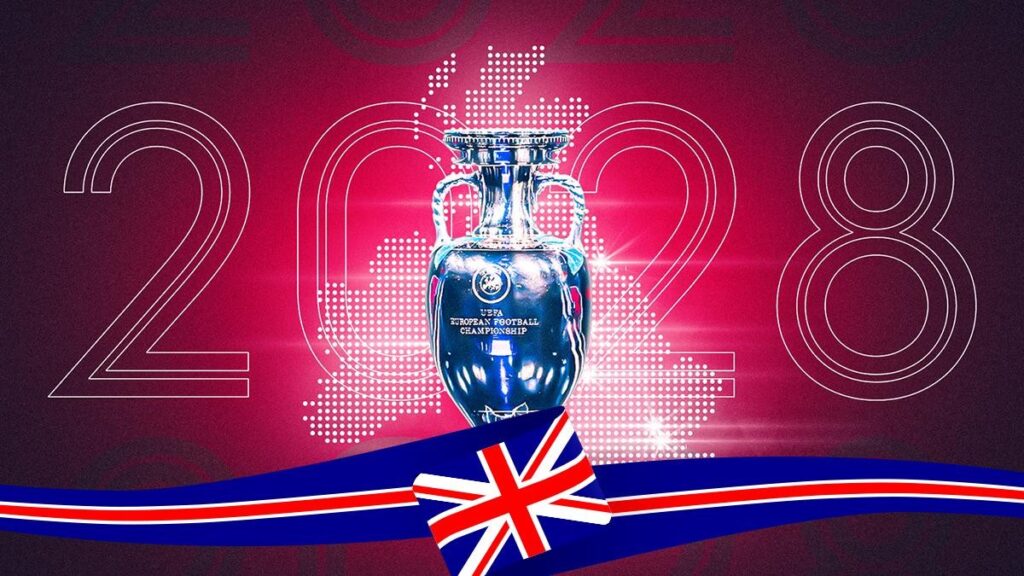
Image : stock.adobe.com
The United Kingdom is no stranger to hosting major football tournaments. The last time was Euro ’96. The Euro ‘96 is a defining moment in British sporting history. The tournament stands famous for its celebration among fans combined with England’s heartbreaking elimination in the semifinals.
The Euro ‘96 tournament became memorable because of the hit anthem ‘Three Lions’ that started the famous ‘Football is Coming Home’ chant.
The Euro ‘96 showed the UK’s capacity to host world-class football events on a large scale. Since then, the UK has hosted several events, including:
● London 2012 Olympics
● Euro 2020
● UEFA Women’s Euro 2022
● 2024 Champions League finals
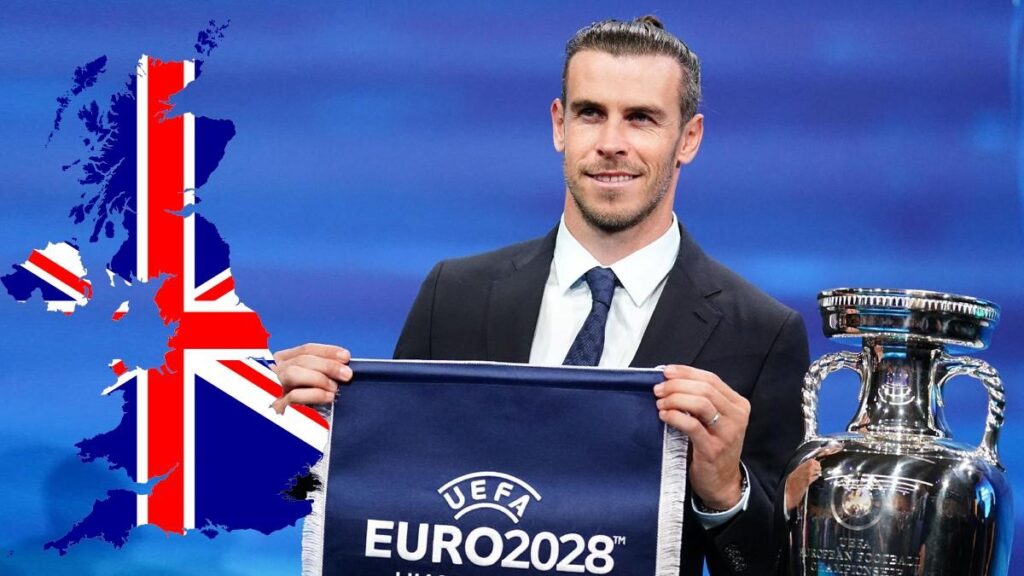
Now, it is safe to say that football is “coming home” again. In 2028, the UK will host the European Championship once more. This time, the British Isles as a whole are involved, not just England. The Republic of Ireland, Wales, England, Scotland, and Northern Ireland will all host the event.
This historic collaboration reveals the true spirit of European football. It is also an opportunity for fans to bet on games, especially Plinko casino game.
The purpose of this article is to explore stadiums, how these nations are improving infrastructure, and taking security measures. This event is not just about sports, it is a way to build a legacy and celebrate the football culture by planning what is supposed to be one of the most important sporting events of the decade.
Host nations and stadiums
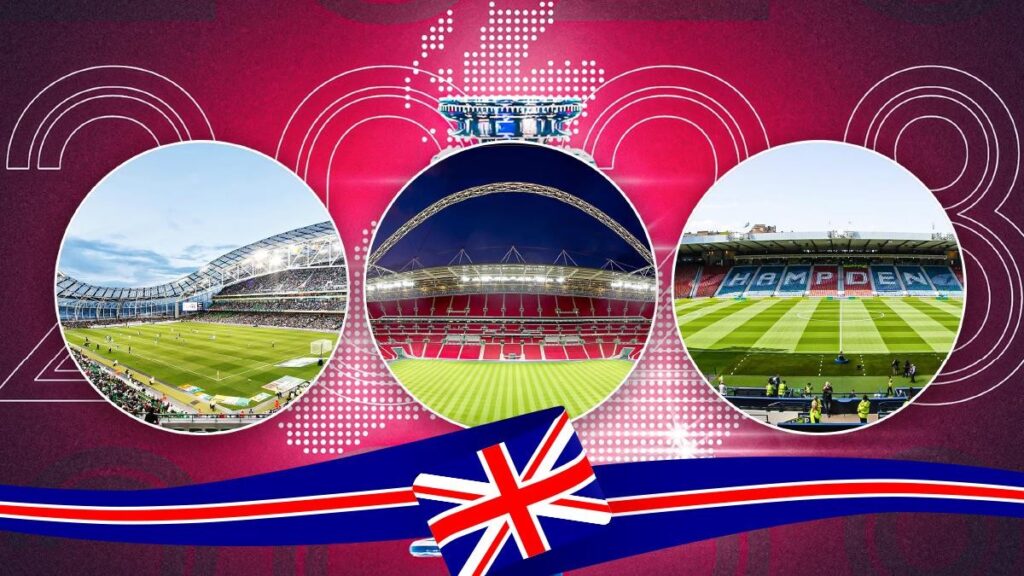
One question fans are asking is, “Where is Euro 2028 going to be played?” The answer is ten stadiums across the British Isles. The decision to have the events in various stadiums across the five nations is guaranteed to showcase the best facilities the British Isles have to offer. The Euro 2028 stadiums across five nations include:
England
These stadiums in England will host the 2028 Championship:
● Wembley Stadium: This stadium is located in London. It is set to host 90,652 fans. The final game will probably be played there.
● St James Park: Although it is currently being expanded, this Newcastle stadium can currently accommodate 52,305 people.
● Tottenham Hotspur Stadium: The London stadium has a 62,850 capacity and is one of Europe’s modern stadiums.
● Etihad Stadium: The Etihad Stadium is in Manchester. With its capacity increasing to over 60,000.
● Villa Park: This stadium is located in Birmingham. It has an over 42,000 capacity which is likely to increase due to renovation.
● Everton Stadium: This stadium in Liverpool is set to host 57,679 fans in 2028.
Scotland
The tournament will be held at Hampden Park stadium. It is located in Glasgow. 51,866 people can occupy this venue simultaneously.
Wales
A match will take place at the Principality Stadium, situated in Cardiff. The stadium possesses 73,952 available seats which establishes it as the biggest facility throughout Wales.
Northern Ireland
Casement Park is the venue for the Northern Ireland game. In preparation for the 2028 event, it is presently undergoing reconstruction. Currently, it can accommodate 34,500 people.
Republic of Ireland
One of the Euro 2028 games will be held at the Aviva Stadium in Dublin. It seats 51,711 fans.
With the successful development we’ve already seen in the works, every event is set to be a success. Several stadiums are already experiencing major renovations. The Belfast Casement Park is currently being reconstructed into a UEFA-standard stadium.
Villa Park is also being redeveloped to increase its capacity and improve its facilities. Hampden Park is also undergoing upgrades to its seating.
The decision to balance the venues ensures that matches are played across all parts of England and Ireland. It also showcases the diverse communities and cultures across the British Isles.
Infrastructure investments
Stadiums are not the only things being upgraded in preparation for the events. To ensure that fans and tourists from all over the world enjoy the games, host nations are pouring heavily into transport, accommodation, and technology.
The UK is changing its rail network in Birmingham, ahead of Euro 2028. It is focusing more on improving capacity and accessibility at stations serving major football stadiums. Certain improvements are being made to the Witton Station to help supporters travelling to Villa Park by rail.
These improvements include:
● New passenger ramps to both platforms to accommodate queues
● New pedestrian and cyclist subway at Station Road
● Wider and deeper platforms to allow people to queue for longer trains
● Replacing platform shelters with open canopies
Rail networks are not the only infrastructure undergoing a change. There have been talks of upgrading airport capacity. Several UK airports have currently undergone changes or planned a potential expansion.
This includes upgrades of Heathrow, Gatwick, Luton, Bristol, and Doncaster Sheffield. The country is even talking about reopening the Manson Airport with new facilities and technologies.
The upcoming event is likely to bring a lot of people to the United Kingdom. Hotels have been remodeled to meet UEFA standards and tourist demand. Alternative accommodation options like university dormitories are considered too. The UK government is also putting pricing regulations in place to prevent excessive inflation during the tournament.
To ensure the fans have the best experience, many stadiums will also incorporate smart stadium technology such as:
● 5G connectivity
● Smart Ticketing
● AI Crowd Management System
The infrastructure investments ahead of Euro 2028 are expected to come at a cost. Although the exact cost is not made public, a huge portion is certainly going into renovation and upgrading facilities.
The UK government is partnering with private firms to ensure that these upgrades are done within sustainable budgets and timelines. The funding model combines both public and private investment. Also, the UK government expects the tournament to deliver cumulative socio-economic benefits of up to £2.4bn to cities and communities across the UK.
Security, sustainability, and accessibility
At the Euro 2020 final, over 2,000 fans gained forced entry into Wembley Stadium causing chaos and unrest. This event has made the UK government employ security measures to prevent a recurrence.
The government has decided to prioritize safety and security ahead of 2028. This decision is motivated by the successful security operation during the London 2012 Olympics. The security measures used in 2012 will now serve as a template for multi-venue coordination in 2028.
Some of the security innovations that have been put in place include:
● AI-powered crowd monitoring systems for ticketing and scheduling
● Integrated command centers connecting police, stadium security, and emergency services
The upcoming event promises to be the first carbon-neutral European Championship. To ensure that this happens, certain steps have been taken, including:
● Installing solar panels and renewable energy sources
● Ensuring recycling and waste reduction programs at all venues
● Locally-sourced food and beverages at stadium stands
Plans have also been made to ensure the tournament is 100 percent inclusive for all fans. The following accessibility features have been added:
● Sensory rooms for neurodivergent fans
● Enhanced audio description services for visually impaired fans
● Accessibility tools integrated into the tournament app
● Training for staff on how to support disabled spectators
● Multilingual feature for non-English speakers
The cultural impact
Euro 2028 is not just about 90 minutes of football. It is a cultural celebration for football coming home. It is an event that increases national pride and strengthens bonds in communities across the British nations.
The event is also a means to increase fan engagement, revive tournament songs and anthems. ‘Football is Coming Home’ is expected to become the unofficial tournament theme song once again.
The 2028 event is also expected to bring grassroot football developments. School football programs are likely to receive additional funding and resources especially in underrepresented communities.
Due to the event, a £45 million ‘Euro 2028 Legacy Fund’ is also being created to help deliver a lasting legacy for communities across the UK and Ireland.
In a post-Brexit era, the tournament offers a chance to showcase unity, diversity, and shared cultural values.
The UK and Ireland bid for Euro 2028 was built on a commitment to “Football for all. Football for good. Football for the future,” aiming to grow a more diverse and inclusive game. The event is expected to inspire the next generation of fans and players.
Legacy and long-term vision
The UK decision to bid for the Euro 2028 is the country’s way to fulfill a long-term vision of making a legacy. The organisers are determined to use the event as a way to show capability and determination to host major football events.
Upgraded stadiums and facilities will serve as suitable venues for concerts and community events for decades. New training facilities with transfer to local and community teams. Even the investment in transport and hospitality will continue to serve communities beyond the tournament.
A tourism surge is also expected during and after the event, bringing billions to the UK and Irish economies.
There is speculation that the UK is trying to use the Euro 2028 event to bid for hosting the future World Cup. This is likely to be in their favour because the infrastructural developments and expertise gained through Euro 2028 would position the nations strongly for such a bid. It would lay a strong foundation just like the 2012 Olympics.
It can be argued that the success of the London 2012 Olympics has inspired and challenged the UK. While the Olympics transformed East London and increased participation in sports, other promised benefits were not met.
The successes and failures of the 2012 events have served as a lesson for the organisers of Euro 2028. The new tournament is expected to focus on realistic, measurable goals rather than overpromising.
Conclusion
Euro 2028 is more than just another major tournament. It is the United Kingdom’s opportunity to become Europe’s football arena once again. Every aspect of Euro 2028 is being designed to showcase the host nations at their best.
Football is really coming home again. The countdown to kickoff has already begun, and the British Isles are getting ready to deliver a European Championship that will remain in the memory of football fans everywhere.
Follow Euro Weekly News on Google News
Get breaking news from Spain, travel updates, and expat stories directly on your Google News feed.
Follow on Google NewsSign up for personalised news
Subscribe to our Euro Weekly News alerts to get the latest stories into your inbox!
By signing up, you will create a Euro Weekly News account if you don't already have one. Review our Privacy Policy for more information about our privacy practices.



Guest Writer
Comments