Spain’s Seguridad Social for expats: Your friendly guide to online access, cita previa and healthcare
By Farah Mokrani • Published: 03 Sep 2025 • 18:52 • 4 minutes read
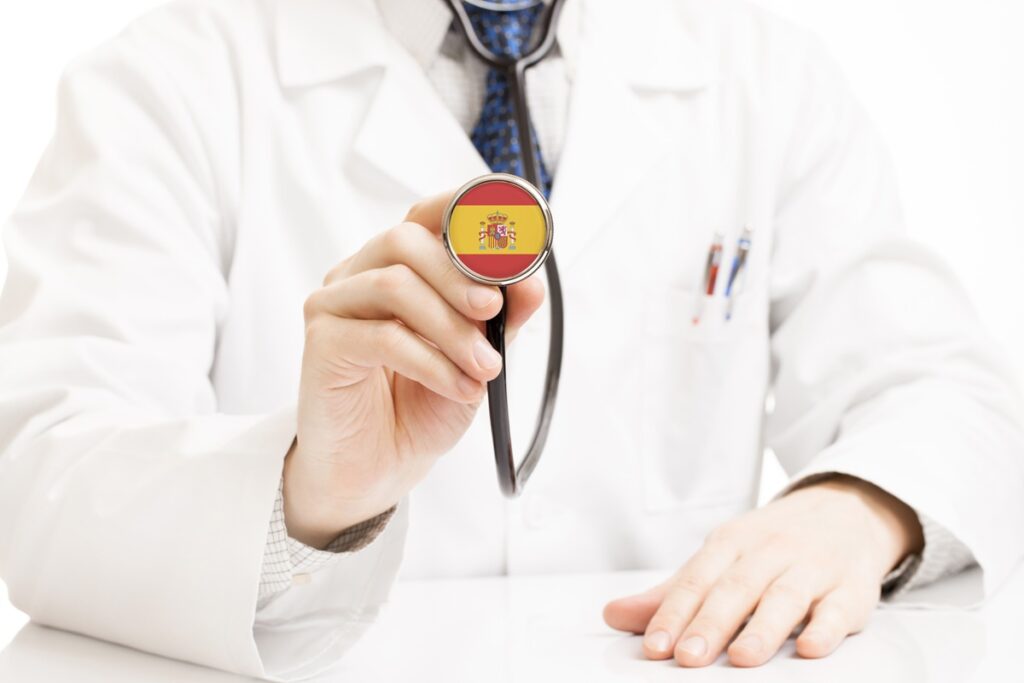
Seguridad Social: your gateway to healthcare and benefits in Spain. Credit : Niyazz, Shutterstock
If you’re living or working in Spain, you’ll bump into the Seguridad Social sooner rather than later. It’s the system that powers pensions, public healthcare, unemployment support and a handful of other benefits.
The good news? Much of it can be handled from your sofa. The not-so-good news? A few jobs still need an in-person appointment (cita previa). Here’s the no-nonsense guide – written for expats – on how to get in, what to download, and when you really do need to turn up with your passport.
Get online: Cl@ve, digital certificate and the reports you’ll actually use
The quickest way to see your records is through the official Seguridad Social portal. To log in, you’ll need one of four IDs. None of them is scary once you know what they are.
- Cl@ve is Spain’s single sign-on for government services. Activate it once (show your NIE/TIE and ID at an office, or request an activation code by post in some cases) and it’ll unlock a long list of public websites, not just Social Security.
- A digital certificate (certificado digital) does the same job but lives on your computer or phone. It’s issued by the FNMT and is particularly handy for tax and business admin.
- DNIe/NIE with electronic credentials works if your card is enabled for online use and you have an NFC reader/phone.
- SMS access is the simplest day-to-day method, but only once a Spanish mobile number is linked to your file (you add that in person).
Once you’re in, head straight for the documents employers, gestors and town halls ask for most:
- Informe de Vida Laboral – your work history by employer and dates. Think of it as your official CV of contributions.
- Bases de Cotización – the wage bases your pension is calculated on; essential if you’re checking future entitlements.
- Certificates such as estar al corriente (up-to-date with obligations) and the integrated benefits certificate showing any payments you currently receive (unemployment, parental leave, etc.).
Pro tip: set a calendar reminder to download your vida laboral once or twice a year. Spotting a missing month now is far easier than fixing it a week before you apply for retirement.
When you need a cita previa – and how to actually get one
Spain has digitalised a lot, but some things still require a desk, a stamp and a helpful civil servant. You’ll want a cita previa for jobs like registering as self-employed (alta de autónomo), linking your Spanish phone number for SMS login, updating personal details, or sorting more complex issues that email just won’t fix.
You can book three ways:
- Online: choose your procedure, pick an office and time slot on the Seguridad Social cita previa page.
- By phone: 901 106 570 (it’s a shared-cost number; many offices list local alternatives that may be cheaper).
- App: the official Seguridad Social app accepts Cl@ve or a digital certificate.
Slots in big cities disappear quickly. Check first thing in the morning, try neighbouring offices, and if you’re desperate, be at the door for opening time and ask about same-day numbers. Take your passport, NIE/TIE, padrón certificate (if relevant) and any supporting papers. If your Spanish is wobbly, bring a friend or pay a gestoría to shepherd the process.
What if you can’t get past the tech? Install the digital certificate using the FNMT’s step-by-step tool, try a different browser if you hit errors, and make sure your name and address match exactly across documents – small mismatches cause most failed logins.
Healthcare, pensions and cross-border rights: what expats really need to know
The Seguridad Social is also your doorway to public healthcare. If you’re working and contributing, you can register with your regional health service and pick up the Tarjeta Sanitaria Individual (health card). That card gets you a GP, referrals and prescriptions like any other resident.
Short stay only? EU nationals can rely on the EHIC for emergencies and necessary care. Moving long-term? You’ll still need to register with the system. Non-EU nationals usually qualify through employment; if not, the Convenio Especial lets you pay a monthly fee to access public healthcare even without an employer. It’s not free, but it’s predictable—and often cheaper than private cover if you’re between jobs.
Pensions trip people up because of past lives in different countries. Spain participates in EU coordination rules and has bilateral agreements elsewhere, which means eligible periods can often be totalised when your pension is worked out. Keep neat PDFs of your Spanish vida laboral and bases de cotización, plus any UK or other state contribution summaries. When the day comes, you’ll thank your past self.
A few common snags – and quick fixes:
- No mobile number on file: pop into an office once and add a Spanish number. That unlocks SMS access forever.
- Digital-certificate drama: update your browser, check your device name matches your application and follow FNMT’s current guide.
- Spanish-only pages: Chrome’s built-in translate is your friend; for trickier tasks, a gestor can be worth every euro.
Why it matters: clean records mean smoother residency renewals, painless autónomo admin, accurate pension calculations and fewer nasty surprises if you need sickness or unemployment support. And the more you can do online, the less time you’ll spend in queues.
Quick set-up checklist (save this bit):
1) Activate Cl@ve or install a digital certificate within your first few weeks.
2) Add a Spanish mobile to your Social Security file.
3) Download vida laboral and bases de cotización annually and file them somewhere sensible.
4) If you’re not contributing but need cover, ask your regional service about the Convenio Especial.
5) Keep scans of passport, NIE/TIE and padrón handy; portals will ask for them at the worst possible time.
With those pieces in place, Spain’s Seguridad Social stops feeling like a maze and starts behaving like a useful dashboard for your life admin—less paperwork, fewer queues, more peace of mind.
Stay tuned with Euro Weekly News for more news from Spain
Follow Euro Weekly News on Google News
Get breaking news from Spain, travel updates, and expat stories directly on your Google News feed.
Follow on Google NewsSign up for personalised news
Subscribe to our Euro Weekly News alerts to get the latest stories into your inbox!
By signing up, you will create a Euro Weekly News account if you don't already have one. Review our Privacy Policy for more information about our privacy practices.




Farah Mokrani
Farah is a journalist and content writer with over a decade of experience in both digital and print media. Originally from Tunisia and now based in Spain, she has covered current affairs, investigative reports, and long-form features for a range of international publications. At Euro Weekly News, Farah brings a global perspective to her reporting, contributing news and analysis informed by her editorial background and passion for clear, accurate storytelling.
Comments
Pete Jones
05 September 2025 • 08:10You can access the health system by dint of being a resident, you don’t need the convenio, this article is awful
Comments are closed.