The 11 Schengen visa mistakes costing travellers €145m explained – and how to fix them
By Farah Mokrani • Updated: 23 Feb 2026 • 18:12 • 5 minutes read
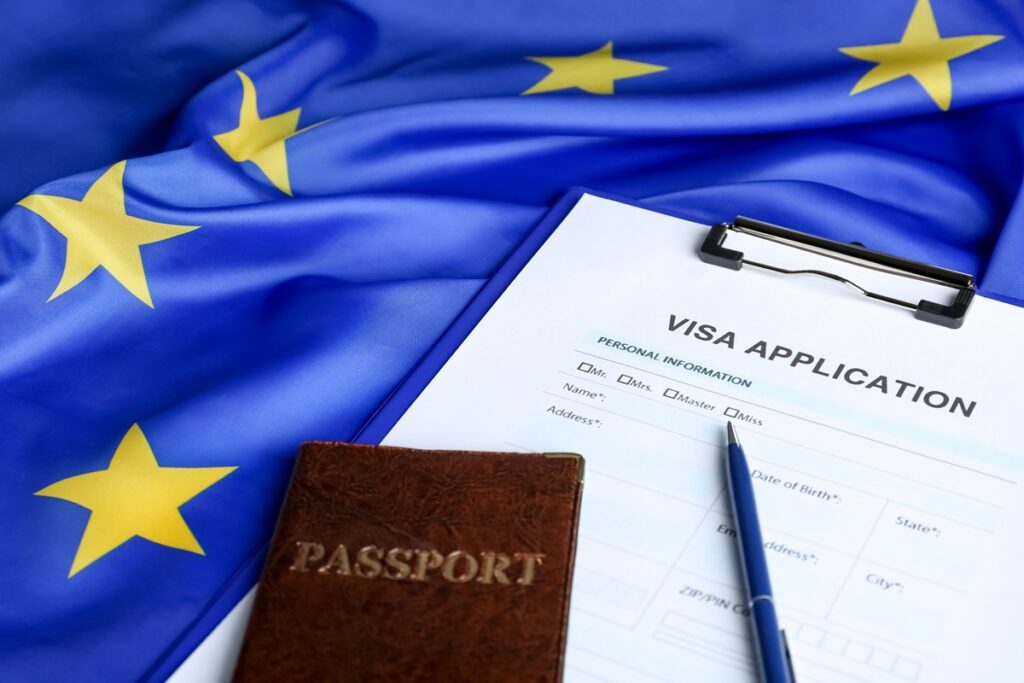
Applying for a Schengen visa can be costly if mistakes are made. Credit : New Africa, Shutterstock
For millions of people hoping to visit Europe, getting a Schengen visa can feel like a lottery.
You gather endless paperwork, wait weeks for a decision, and cross your fingers. But for many, the answer is still ‘no’.
In 2024, almost 1.7 million Schengen visa applications were rejected across Europe – out of a total of 11.7 million. That means roughly one in seven people were turned away. Between application fees, document costs and travel to embassies, those refusals added up to an eye-watering €145 million lost – money that will never be refunded.
So why are so many people being rejected? The answer lies in Article 32 of the EU Visa Code, a document that lists 11 specific reasons a visa can be refused. They might sound technical, but when you break them down, most are surprisingly simple – and avoidable.
Here’s a look at the real reasons people are being refused, and what you can do differently next time.
-
Forged or fake documents
Let’s start with the obvious. Submitting fake or altered documents – even something as small as an edited payslip or a made-up invitation letter – will kill your chances immediately. Once a consulate detects fraud, it doesn’t just refuse your application; it flags your name in the system. In some cases, that means a five-year ban from entering the Schengen Area.
Consular officers verify documents directly with banks, employers, and government databases. They see hundreds of applications a day, and it’s not hard to spot something off.
The fix: never risk it. If you’re missing something, explain it honestly. It’s far better to be transparent than to hand over anything fake.
-
Unclear travel purpose
Simply saying ‘tourism’ or ‘business’ isn’t enough. Officers want to see proof of what you’re actually planning to do – hotel bookings, a conference registration, an invitation letter, or tickets that make sense with your itinerary.
When the story on paper feels vague or incomplete, they assume it’s not genuine.
The fix: give your trip structure. Be specific about where you’re staying, what you’re doing, and why. “Visiting Paris and Lyon for a week with confirmed accommodation” is clear. ‘Tourism’ on its own is not.
-
Not enough money
Many people underestimate how closely officers look at your financial situation. It’s not just about having money – it’s about having stable, traceable income.
Each country sets a minimum daily allowance. In most cases it’s around €40–€60 per day, but Spain is stricter, demanding at least €113 per day. Sudden large deposits, new accounts or unclear funds often lead to rejection.
The fix: provide at least six months of bank statements that show regular income. Include payslips or tax records. If someone else is paying for your trip, add their proof of income and a signed sponsorship letter.
-
You’ve already used your 90 days
The 90/180-day rule is one of the easiest ways to get caught out. Schengen visitors can only stay for 90 days in any 180-day period. If you’ve already spent that time in the zone, your next visa will be refused automatically.
The fix: use an official Schengen stay calculator before applying. If you want to stay longer, look into a long-stay national visa instead of a short one.
-
You’re on the Schengen alert list
This one’s tougher. The Schengen Information System (SIS) is a shared database across all member states. It lists people who have been refused entry before – usually because of overstays, deportations, or criminal issues. If your name appears there, your application is automatically denied, even if your paperwork looks perfect.
The fix: if you suspect you might be listed, request access to your data under EU privacy law. You can then work to remove the alert once the issue is resolved.
-
Security or health risks
If authorities believe you might pose a threat to public safety, security, or health, your visa will be refused. This can include people with serious criminal records or certain infectious diseases listed under the EU’s public health rules.
The fix: be upfront about any past convictions. Include a certificate of good conduct or official record showing you’ve completed your sentence or rehabilitation. If it’s a medical issue, provide documents confirming you’re fit to travel.
-
No valid travel insurance
It’s a small detail that causes a lot of refusals. Every Schengen visa requires travel insurance covering at least €30,000 for emergency medical care, hospitalisation, and repatriation – valid across all Schengen countries for the entire duration of your stay.
The fix: get a recognised travel insurance policy and make sure the start and end dates match your trip exactly.
-
Inconsistent information
This is when your documents tell different stories. Your flight dates don’t match your hotel bookings, your salary doesn’t match your bank deposits, or your job title changes from one form to another.
It doesn’t always mean fraud – sometimes it’s just sloppiness – but to an officer, it looks unreliable.
The fix: before submitting, read everything carefully. Make sure dates, names, and figures match on every single document.
-
Doubts you’ll return home
This is the number one reason for refusals. If the consulate believes you might overstay, they’ll say no – even if your documents are flawless.
They look at your ties to your home country: your job, family, property, or ongoing studies. If they don’t see enough of those, they’ll assume you might not leave.
The fix: show you have something to come back to – a work contract, rent or mortgage, business ownership papers, or proof of dependents. If you’ve travelled abroad before and always returned on time, include those old visas as proof.
-
Not eligible for a border visa
Border visas are only for exceptional emergencies – things like a sudden funeral, medical emergency, or urgent business travel when there’s no time to apply in advance. Applying for one without a valid reason guarantees a refusal.
The fix: unless it’s a true emergency, always apply through the proper embassy or visa centre before travelling.
-
Visa withdrawn by request
Sometimes travellers cancel their own visas – perhaps due to illness or a change of plans. When that happens, the record shows it as “revoked at the holder’s request”. It’s not a black mark, but it does appear on file.
What happens after a refusal?
If you’re refused, the embassy must give you a written notice explaining why. That’s your guide for next time.
In most cases, reapplying with better evidence is faster and more effective than appealing. If you were rejected for lack of funds, show more consistent proof of income. If it was unclear purpose, add detailed plans.
Visa officers aren’t trying to catch people out – they’re following strict EU rules. But they do notice when an application feels genuine, clear and consistent.
Last year’s numbers paint a clear picture: too many travellers are losing money over avoidable mistakes. The Schengen process might be slow and bureaucratic, but it’s not random. If you prepare well, tell a consistent story, and show you’ll return home, your chances of success rise sharply.
Stay tuned with Euro Weekly News for more news about Travel
Follow Euro Weekly News on Google News
Get breaking news from Spain, travel updates, and expat stories directly on your Google News feed.
Follow on Google NewsSign up for personalised news
Subscribe to our Euro Weekly News alerts to get the latest stories into your inbox!
By signing up, you will create a Euro Weekly News account if you don't already have one. Review our Privacy Policy for more information about our privacy practices.



Farah Mokrani
Farah is a journalist and content writer with over a decade of experience in both digital and print media. Originally from Tunisia and now based in Spain, she has covered current affairs, investigative reports, and long-form features for a range of international publications. At Euro Weekly News, Farah brings a global perspective to her reporting, contributing news and analysis informed by her editorial background and passion for clear, accurate storytelling.
Comments