Charity shops: Spain’s next big thing
By Molly Grace • Published: 26 Nov 2025 • 0:22 • 3 minutes read
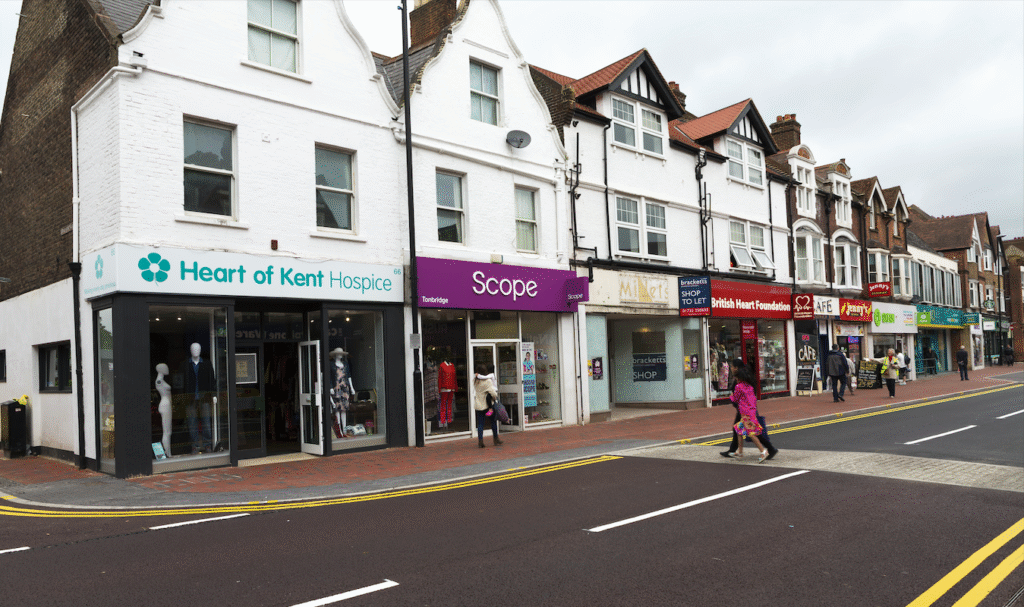
Running a shop requires initial investment, staff or volunteers. Photo credit: DogStarImages/Shutterstock
Charity shops are a common sight in the United Kingdom, appearing in villages, towns, and cities alike. These shops sell donated items such as clothing, books, and homeware, with all profits going to charitable causes. Shoppers know that every purchase supports a nonprofit while giving items a second life instead of discarding them.
In Spain, however, charity shops are much less common. Those that do exist are usually run by expats, often attempting to recreate the familiar UK model within local communities. Many of these shops are found in areas popular with British or international residents, such as coastal towns or major tourist hotspots.
They serve not only as a place to shop but also as a cultural bridge, introducing locals to a charitable retail concept that is standard in the UK. For Spanish residents, these shops provide a glimpse into a different approach to philanthropy, one where buying second-hand items directly benefits charitable projects. Despite this growing presence, the idea has yet to become mainstream, and most towns across Spain still lack accessible charity shops for everyday shoppers.
Why Spain Lacks Charity Shops
Bureaucratic and legal challenges
Spain currently has around 800 second-hand or charity-style shops, according to the Humana 2025 report, compared with more than 10,000 across the UK and Ireland. This striking gap highlights why charity shopping is still relatively uncommon in Spanish towns and cities.
Opening a charity shop in Spain involves navigating a complex administrative system. Charities must register with local authorities, handle tax requirements, and obtain commercial permits—steps that many smaller organisations struggle to manage. Without proper guidance or support, potential shop founders may abandon their plans before they even begin.
Unlike the UK, where charity shops provide reliable income streams, Spanish charities often rely on irregular donations. Running a shop requires initial investment, staff or volunteers, and ongoing operational management, which many organisations find challenging without guaranteed revenue. These limitations contribute to the scarcity of charity shops nationwide. Cultural attitudes also play a role: second-hand shopping is not yet widely embraced, and many people prefer to purchase new items rather than donate or buy used goods.
Benefits for Communities
Funding, sustainability, and local engagement
Charity shops offer multiple advantages. They can generate consistent funding for projects such as education, healthcare, and social support. By giving pre-owned items a new purpose, they also promote sustainability and reduce waste. Beyond financial benefits, shops create opportunities for volunteering, helping individuals develop skills, gain experience, and engage with the local community.
Why Spain should welcome charity shops
Introducing charity shops more widely would benefit locals in multiple ways. Shoppers would have access to affordable, quality second-hand items, while charities gain a sustainable funding source. The model encourages a culture of giving, where donating unused items directly supports social causes. Communities would benefit from increased volunteering opportunities, fostering social cohesion and skills development among young people and adults alike. Schools and community centres could partner with shops to host educational events, promoting sustainable consumption and social responsibility.
Key Points
- Charity shops in Spain are rare and mostly run by expats.
- Bureaucracy, legal procedures, and cultural attitudes limit expansion.
- Shops provide steady funding for charities and encourage sustainability.
- Volunteer opportunities foster skills and strengthen local communities.
- Locals benefit from affordable second-hand items and social engagement.
Encouraging local initiatives
To make charity shops more common, organisations can learn from existing expat-run shops, documenting processes to simplify legal and administrative requirements. Public awareness campaigns could help shift cultural perceptions, showing that shopping second-hand is socially responsible, environmentally friendly, and beneficial to communities. If more individuals and groups take the initiative, charity shops could thrive in Spanish towns and cities, supporting causes while encouraging sustainability and community connection.
With growing interest in sustainability, affordability, and community engagement, now is the ideal time for Spanish residents to embrace the charity shop model. Partnerships with schools, local councils, and cultural centres could help remove administrative barriers, inspire more locals to start shops, and create a lasting positive impact across communities.
Sign up for personalised news
Subscribe to our Euro Weekly News alerts to get the latest stories into your inbox!
By signing up, you will create a Euro Weekly News account if you don't already have one. Review our Privacy Policy for more information about our privacy practices.




Molly Grace
Molly is a British journalist and author who has lived in Spain for over 25 years. With a background in animal welfare, equestrian science, and veterinary nursing, she brings curiosity, humour, and a sharp investigative eye to her work. At Euro Weekly News, Molly explores the intersections of nature, culture, and community - drawing on her deep local knowledge and passion for stories that reflect life in Spain from the ground up.
Comments
Richard Kingston
27 November 2025 • 10:55Association Joe el Hombre Gato, is the only Legally Registered Charity shop in Sax, Alicante. The Original Joe, was in Ciudad Quesada. But he retired a number years ago. When I moved to Sax, a few years ago, I asked around about what sort of work I could do. I was told that the last charity shop in the area had closed down, and it was sorely missed. So, I seized the opportunity to open my own Charity Shop. Which has now been going for nearly 3 years. The real shame now is a 2nd hand shop has opened up nearby and called itself a “charity” shop, with no Charity Licence. And serious questions about where the money they take in goes. As a private business, they do not have to account for their money, and as such can take as much as they like for themselves then they give whatever is leftover to real charities.
Anne
27 November 2025 • 12:49I am confused. Organisations such as Cudeca and the Lions have had charity shops in many places across Spain. There are even a couple of Lions shops underneath my apartment in La Cala. I volunteer with them by rescuing after-hours donations, which I have done for some 7 years.
Comments are closed.