Beekeeping licences boost biodiversity in Murcia forests
By Natascha Rivera • Published: 14 Apr 2026 • 12:34 • 1 minute read
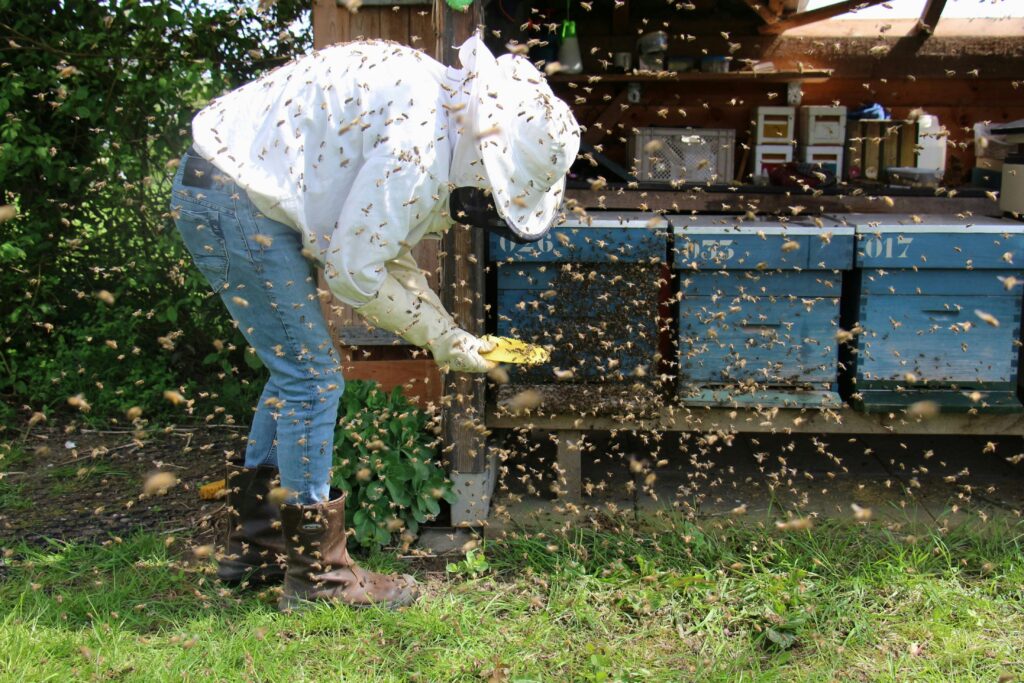
Murcia grants beekeeping licences to boost biodiversity and rural economy Photo Credit: Janet / Unsplash
The Regional Ministry of Environment, Universities, Research and Mar Menor has completed the awarding of beekeeping rights in publicly owned forests in Murcia for the 2025/2026 season, which will make it easier for beekeepers to gain access to natural environments and reinforce the conservation of biodiversity.
Beekeeping access in public forests in Murcia
The measure received no objections from the public, and through a public tender, beekeepers will now have access to licences that will allow them to set up beehives in natural areas in Murcia. This will not only support rural economic activity, it will also protect the traditional art of beekeeping, and improve biodiversity via pollination.
This effort will also encourage surveillance of the natural forests and thus, strengthen fire prevention, a major talking point in Murcia. Licences are expected to run until September 2030.
Bees: Imperative for the environment, wonderful for Murcia’s natural areas
The importance of bees for local flora and fauna cannot be overstated. Bees enable the reproduction of flowering plants by pollinating them; some 75 per cent of global food crops depend, at least partially, on pollinators like bees. Without them, plants would not be able to reproduce.
Bees also heavily promote biodiversity, especially in regions like Murcia where a wide variety of animals roam. They sustain habitats, support insects, birds, and mammals, and help to keep ecosystems stable. Along with this, bees can help damaged ecosystems recover, through reforestation, reinforcing soil stability through plant growth, and helping to build resilience after environmental damage, like wildfires.
Finally, bees have major economic value. The pollination services provided by bees can equate to billions of euros on a global scale per year. As agriculture heavily depends on them for productivity and quality, fewer bees would mean higher production costs and spiking food prices.
As bee populations decline due to factors including damaging pesticides, habitat loss, climate change, and widespread diseases, it is imperative that regions like Murcia reinforce these kinds of positive initiatives to protect the bees, protect the forests, and reinforce biodiversity in their stunning natural areas.
Sign up for personalised news
Subscribe to our Euro Weekly News alerts to get the latest stories into your inbox!
By signing up, you will create a Euro Weekly News account if you don't already have one. Review our Privacy Policy for more information about our privacy practices.



Natascha Rivera
Natascha is a Dominican writer based in Spain with a background in audiovisual and marketing communication. A lifelong reader and passionate storyteller, she brings a creative edge to her work at Euro Weekly News. Her multicultural perspective informs her coverage of lifestyle and community stories, offering fresh angles and relatable storytelling that connects with a diverse audience.
Comments