How a massive pest outbreak in Spain will affect vegetable prices in supermarkets this summer
By Dora Urbancsek • Published: 18 Apr 2026 • 14:28 • 2 minutes read
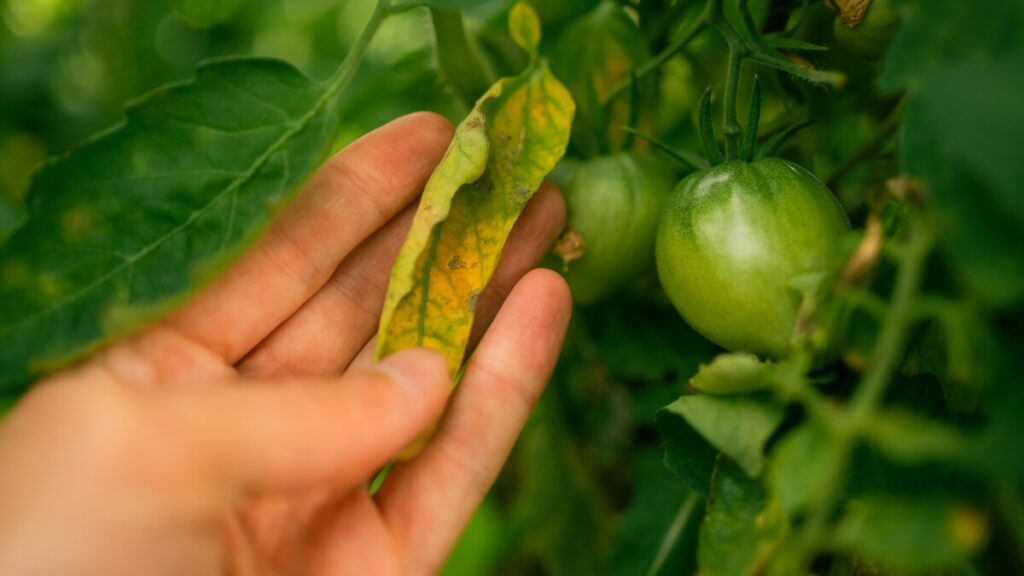
A pest outbreak in southern Spain is forcing farmers to destroy crops, raising concerns over supply and prices Credit: Shutterstock/Elena Shishkina
A formal resolution in the BOJA on Friday, April 17, 2026, has officially declared a plague of Thrips parvispinus across Almería and Granada. Effective today, greenhouse farmers must follow strict protocols, including the mandatory uprooting and destruction of infected pepper, cucumber, and aubergine crops to prevent a total supply collapse. The Junta de Andalucía has allocated €22.5 million in aid to help growers manage losses, which have already seen yields drop by 15% this season.
For consumers, this “biological shutdown” means that high-quality produce availability will tighten significantly, with experts warning of continued price volatility in supermarkets across Spain as the 2026 spring-summer transition begins.
Why this matters for food supply in Spain and beyond
The affected region is not just any farming area. Almeria is one of Europe’s most important vegetable production hubs, supplying supermarkets across Spain and much of northern Europe, particularly during the winter months.
Peppers alone are the leading crop in the province, with production reaching over 4 million tonnes of vegetables annually. This means disruptions in this region can quickly ripple through supermarket supply chains, both domestically and internationally.
Production already under pressure from the pest
The impact of the pest is not theoretical. Recent data shows pepper production in Almeria has already fallen by around 11 percent due to Thrips parvispinus. At the same time, the pest has spread rapidly, now present in up to 95 to 100 percent of monitored farms in parts of the province.
Even more concerning is the quality issue. While most peppers are usually classified as top-grade produce, this percentage has dropped significantly, with estimates suggesting it could fall to as low as 60 percent in some cases. For supermarkets, this matters more than volume. Produce that does not meet visual standards is often rejected, reducing the amount available for fresh sale.
Could this make vegetables more expensive in Spain?
Yes, and in several ways. First, lower production directly reduces supply. Second, a drop in high-quality produce means supermarkets compete for fewer premium products. Third, farmers are facing higher costs due to treatments, crop losses and replanting. The result is already visible in the market. Industry reports indicate that reduced availability of top-grade peppers is pushing prices higher, with shortages expected to continue into the current season.
A longer-term risk for the agricultural sector
Beyond immediate price increases, there is concern about long-term effects. In some cases, farmers are already considering switching crops or ending pepper production earlier than planned due to the difficulty of controlling the pest. If this trend continues, it could lead to structural changes in supply, reducing Spain’s output of certain vegetables and increasing reliance on imports.
What this means for shoppers
For expats in Spain, the impact may appear gradually. Prices of certain vegetables, particularly peppers, could rise or fluctuate more than usual. Availability of top-quality produce may also become less consistent in supermarkets. At the same time, the issue highlights how closely everyday shopping is tied to agricultural conditions in key regions like Almeria. A localised pest outbreak can quickly become a national, and even European, supply issue.
Sign up for personalised news
Subscribe to our Euro Weekly News alerts to get the latest stories into your inbox!
By signing up, you will create a Euro Weekly News account if you don't already have one. Review our Privacy Policy for more information about our privacy practices.





Dora Urbancsek
Dora Urbancsek is an SEO writer with over eight years of experience producing high-quality, search-optimised journalism and digital content. Based in Spain for more than five years, she covers a wide range of topics concerning Spain and Europe, including current affairs, community stories, culture, and lifestyle. Dora is known for accurate, well-researched reporting that keeps readers informed and engaged.
Comments