Should expats in Spain move to a new rental property in 2026?
By Adam Woodward • Published: 19 Apr 2026 • 19:57 • 2 minutes read
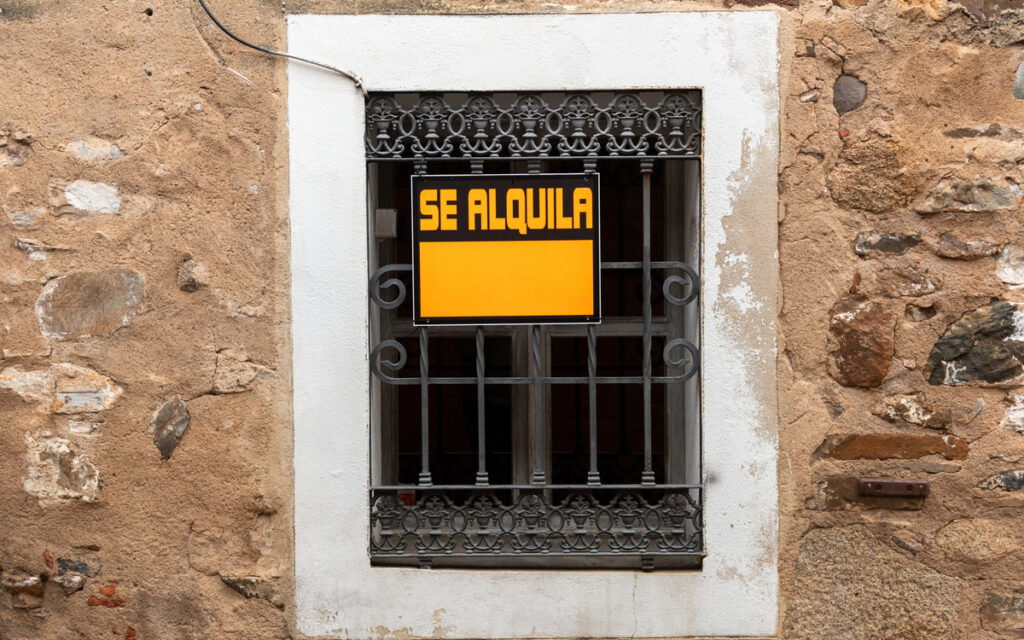
A good time to change rental house? Credit: Esteban Martinena Guerrero - Shutterstock
Many renters from abroad wonder whether changing homes makes financial sense in today’s tight Spanish market. Recent data reveals a clear divide between what already sitting tenants pay and what newcomers face on the open market.
Rental prices continue to climb for new contracts
Rents across Spain have risen on average a massive 7.1 per cent year-on-year in the first quarter of 2026, according to Idealista, the online property advertiser, pushing the national average to €15 per square metre, something of a record high. Other sources point to even bigger growth in advertised prices, with increases around 10 per cent in the past year alone for fresh leases.
Growth, of course, varies by region dramatically in Spain. Some inland provinces recorded double-digit jumps in recent periods, while certain coastal or urban spots showed more moderate changes or even slight dips in specific cases like parts of Barcelona province. Overall supply is very low, as many owners fear laws brought in favouring those that end up not paying, so properties often rent quickly at higher starting rates.
Spanish law caps annual rent rises for existing tenants
Under Spanish law, landlords may update rents once a year on the contract anniversary, but increases follow strict limits. For most contracts signed after May 2023, the IRAV index, which serves as the official reference index for annual rent updates, sets the maximum allowed to raise rents, currently around 2.14 per cent.
A March 2026 law adds further protection with a 2 per cent ceiling on annual updates until the end of 2027 in many situations, especially for landlords with multiple properties. Tenants in stressed housing zones can enjoy extra safeguards, including possible contract extensions on similar terms. These rules keep costs predictable for those who stay in place.
Should I stay put or should I go now?
In most cases. Moving will expose renters to much higher market rates that newer contracts command. One-off expenses add pressure too: fresh deposits, removal costs, agency fees where applicable, and utility setups. In a market where demand far outstrips supply, as is the situation in many areas of Spain, negotiating power stays very limited and fast for incoming tenants. Can you really hammer out a deal before another candidate for tenant comes along, accepts, and snaps up the property?
Expats who signed leases a few years ago can benefit most from the legal protections. Their monthly outgoings can, legally, only rise slowly, often by just 2 per cent or so each year, while equivalent properties now advertise for noticeably more.
Tenant groups advise against relocation purely for economic gain unless personal circumstances really demand it, such as a job move or personal circumstance change. Renewing or extending where possible preserves a certain amount of stability and avoids jumping to prices that will bring overall spending power lower than desired.
Renters should review their specific contract dates, landlord type, and local stressed-area status. Perhaps even consider one’s reasons for wanting to live precisely where they desire if more financially beneficial areas are available. Consulting tenant associations or legal advice helps clarify options under evolving rules. For many, patience in the current rental climate in Spain will deliver clear savings over the next one to three years, or at least they should be prepared when a “ganga” (bargain) crops up.
Sign up for personalised news
Subscribe to our Euro Weekly News alerts to get the latest stories into your inbox!
By signing up, you will create a Euro Weekly News account if you don't already have one. Review our Privacy Policy for more information about our privacy practices.




Adam Woodward
Adam is a writer who has lived in Spain for over 25 years. With a background in English teaching and a passion for music, food, and the arts, he brings a rich personal perspective to his work at Euro Weekly News. As a father of three with deep roots in Spanish life, Adam writes engaging stories that explore culture, lifestyle, and the everyday experiences that shape communities across Spain.
Comments