Spain’s place in global politeness and manners ranking raises eyebrows
By Molly Grace • Published: 19 Apr 2026 • 14:27 • 3 minutes read
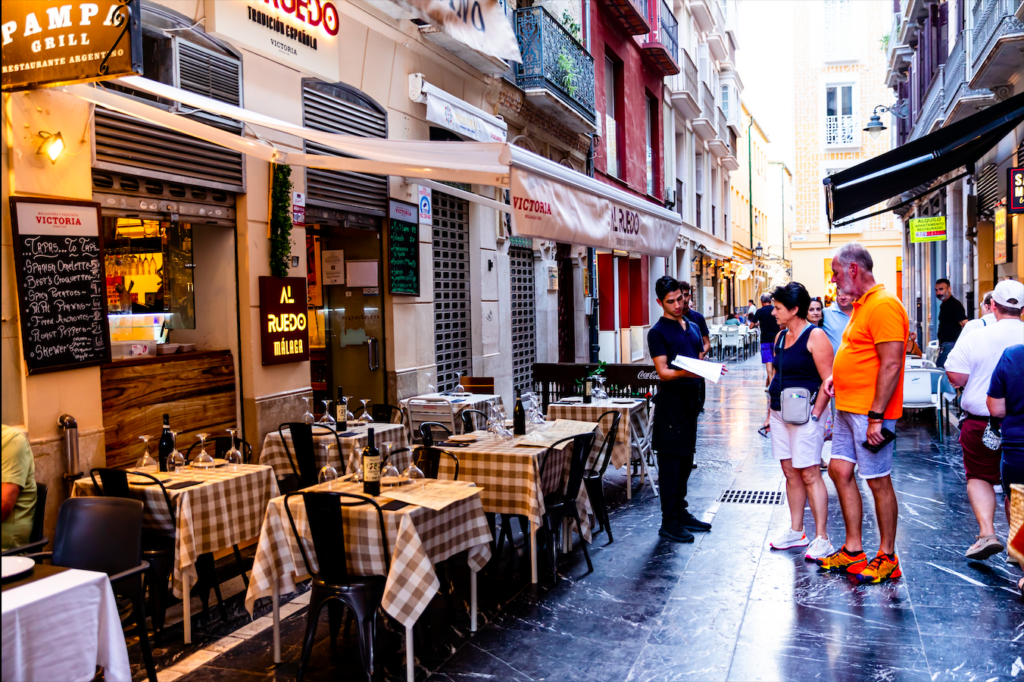
The term used in the study refers to everyday manners rather than formal education. Photo credit: maziarz/Shutterstock
A new international survey has examined how people perceive politeness across a range of countries, drawing on responses from thousands of participants worldwide. The survey gathered responses from nearly 5,000 people across 26 countries. Participants were asked to evaluate how polite they perceived people from different nations to be, based on general behaviour such as respect, consideration and social etiquette in everyday interactions.
The study did not measure education levels, academic achievement or formal qualifications. It focused instead on perceived behaviour in social situations, meaning the results reflect opinion rather than objective assessment.
How the survey defines “politeness”
The term used in the study refers to everyday manners rather than formal education. It covers behaviour such as politeness in conversation, respect for personal space, consideration in public settings and general social etiquette.
Participants were asked to evaluate countries based on how polite they perceived their citizens to be. The results are therefore shaped by personal impressions, cultural assumptions and exposure to other societies, rather than measurable indicators. There is no standard global metric for politeness, unlike economic output or education attainment. As a result, rankings of this type are inherently subjective and reflect perception-based comparisons.
Japan tops the global ranking
Japan was placed first in the ranking, reflecting widespread perceptions of formal etiquette, structured social behaviour and strong cultural emphasis on respect in public settings.
Canada followed in second place, with the United Kingdom in third. China ranked fourth, while Germany came fifth. The Philippines took sixth place, with Sweden, Denmark and Finland occupying seventh, eighth and ninth positions respectively. South Africa completed the top ten.
The full top 10 ranking was as follows:
- Japan
- Canada
- United Kingdom
- China
- Germany
- Philippines
- Sweden
- Denmark
- Finland
- South Africa
The list includes countries from Europe, Asia, North America and Africa, reflecting a broad geographic spread in perceived social manners.
Spain placed behind multiple European countries
Spain’s position has been placed at 22, below several European neighbours. Countries ranked higher include Ireland, Norway, the Netherlands and France, in addition to those already listed in the global top ten.
The result places Spain in the lower half of the table, despite its international reputation as a country known for sociability and a strong culture of public interaction. However, the survey measures external perception rather than domestic self-assessment or tourism experience.
Responses reflect how people from different countries interpret social behaviour, which can vary widely depending on cultural expectations. What is considered polite or informal in one society may be viewed differently in another.
Cultural interpretation plays a role in results
Differences in cultural norms are a key factor in how politeness is perceived internationally. Behaviour that is normal in one country may be interpreted differently elsewhere. For example, communication styles vary significantly between cultures. Some societies prioritise directness in speech, while others place greater emphasis on indirect expression and formality. Similarly, levels of physical expressiveness, volume in conversation and use of gestures can influence how politeness is judged.
Social customs such as queueing, punctuality and greetings also differ across countries. These variations can affect how respondents assess the behaviour of people from other nations.
Spain’s international image remains broader than this ranking
Despite its position in this survey, Spain continues to hold a strong international profile. It remains one of the world’s most visited countries, attracting tens of millions of tourists annually. Its appeal is driven by climate, cultural heritage, cuisine and urban life.
Spain also performs strongly in other global indicators, including tourism competitiveness and quality of life rankings. These measures often place it higher in international comparisons that assess infrastructure, healthcare or lifestyle factors. The contrast between these rankings and the politeness survey highlights the narrow focus of the study. It captures perception of social behaviour rather than broader national performance or living standards.
Interpretation of results
The findings are best understood as a reflection of how people perceive social interaction across borders rather than a definitive measure of national character. Perceptions can be influenced by travel experience, media portrayal and cultural familiarity.
Because the survey relies on subjective responses, results may vary depending on the countries included, the sample of respondents and the framing of questions. Different methodologies could produce different outcomes.
Broader context of cross-cultural perceptions
International surveys of this kind often produce variation in results due to differences in cultural expectations. Behaviour considered polite in one region may not align with norms elsewhere.
This means rankings of politeness are not fixed assessments but shifting interpretations shaped by global diversity. The same behaviour can be interpreted positively or negatively depending on the observer’s background. Spain’s placement at 22nd reflects one set of perceptions within that broader context, rather than an absolute judgement on social behaviour.
Sign up for personalised news
Subscribe to our Euro Weekly News alerts to get the latest stories into your inbox!
By signing up, you will create a Euro Weekly News account if you don't already have one. Review our Privacy Policy for more information about our privacy practices.




Molly Grace
Molly is a British journalist and author who has lived in Spain for over 25 years. With a background in animal welfare, equestrian science, and veterinary nursing, she brings curiosity, humour, and a sharp investigative eye to her work. At Euro Weekly News, Molly explores the intersections of nature, culture, and community - drawing on her deep local knowledge and passion for stories that reflect life in Spain from the ground up.
Comments