Sweden records one of Europe’s lowest smoking rates amid policy debate
By Molly Grace • Published: 19 Apr 2026 • 15:13 • 2 minutes read
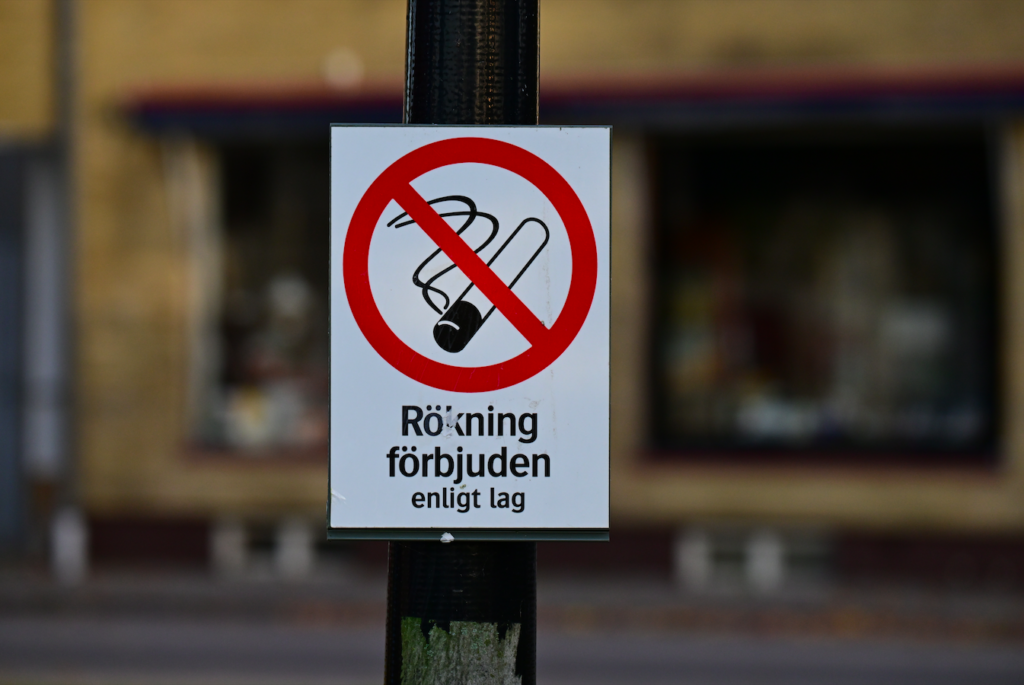
Sweden’s low smoking rate has placed it at the centre of a wider global debate. Photo credit: Woodan/Shutterstock
Sweden has reached one of the lowest smoking rates in Europe, with recent estimates placing daily cigarette use at around or below 5% of the adult population. This threshold is widely used by public health researchers to define a “smoke-free” society.
The decline has taken place over several decades and is attributed to a combination of high taxation on cigarettes, public health campaigns, and the widespread use of alternative nicotine products. Unlike many countries, Sweden has long permitted the use of oral smokeless tobacco known as snus, which has been legally available for years and is often cited as a contributing factor to lower cigarette consumption.
More recently, nicotine pouches and vaping products have also become part of the landscape. These products do not involve combustion and therefore avoid the inhalation of smoke, which is the primary source of harm in cigarette use. Public health discussions in Sweden have increasingly focused on whether these alternatives have accelerated the decline in smoking rates.
Advocacy groups highlight harm reduction approach
A number of Swedish and international tobacco harm reduction advocates have pointed to Sweden as evidence that alternative nicotine products may play a role in reducing smoking-related disease. Organisations involved in this area argue that shifting smokers away from combustible cigarettes, rather than insisting on complete nicotine abstinence, has been central to the country’s progress.
One group, Smoke Free Sweden, has been particularly vocal in promoting this interpretation. In reporting on Sweden’s smoking decline, it has criticised what it sees as cautious messaging from global health institutions. The group has argued that authorities should avoid “creating fear around what works”, referring to the use of safer nicotine alternatives as part of the country’s transition away from cigarettes.
This position reflects a broader debate within public health policy about harm reduction. Proponents argue that while nicotine is addictive, the primary health risks associated with smoking come from burning tobacco, which produces harmful chemicals inhaled into the lungs.
The World Health Organisation maintains a cautious stance
The World Health Organisation continues to recommend strong regulation of all nicotine and tobacco products. It has repeatedly emphasised that, although some alternatives may expose users to fewer toxic substances than cigarettes, they are not risk-free and may still sustain nicotine addiction.
The WHO has also expressed concern about the rapid rise in vaping and nicotine pouch use, particularly among younger people. It has called for tighter restrictions on flavours, marketing, and accessibility of these products, arguing that they may act as a gateway to nicotine dependence rather than a replacement for smoking.
In this context, Sweden’s experience has been closely observed but not formally endorsed as a model by the organisation. The WHO’s position remains focused on reducing overall nicotine use and preventing uptake among non-smokers.
A policy divide emerging in global tobacco control
Sweden’s low smoking rate has become part of a wider international discussion about the most effective way to reduce tobacco-related harm. On one side are harm reduction advocates who argue that replacing cigarettes with less harmful nicotine products should be central to policy. On the other are public health authorities who prioritise minimising all forms of nicotine consumption.
The Swedish case is frequently cited in this debate because of its unusually high adoption of smokeless nicotine products and its comparatively low smoking prevalence. However, researchers continue to caution that long-term health outcomes, particularly relating to newer products such as nicotine pouches, are still being studied.
For now, Sweden stands out in Europe as one of the countries closest to achieving a smoke-free status, while simultaneously remaining at the centre of an ongoing global disagreement about how that milestone should be defined and achieved.
Sign up for personalised news
Subscribe to our Euro Weekly News alerts to get the latest stories into your inbox!
By signing up, you will create a Euro Weekly News account if you don't already have one. Review our Privacy Policy for more information about our privacy practices.





Molly Grace
Molly is a British journalist and author who has lived in Spain for over 25 years. With a background in animal welfare, equestrian science, and veterinary nursing, she brings curiosity, humour, and a sharp investigative eye to her work. At Euro Weekly News, Molly explores the intersections of nature, culture, and community - drawing on her deep local knowledge and passion for stories that reflect life in Spain from the ground up.
Comments