Spain almost faced another blackout as emergency order forced wind power cuts
By Dora Urbancsek • Published: 20 Apr 2026 • 11:44 • 2 minutes read
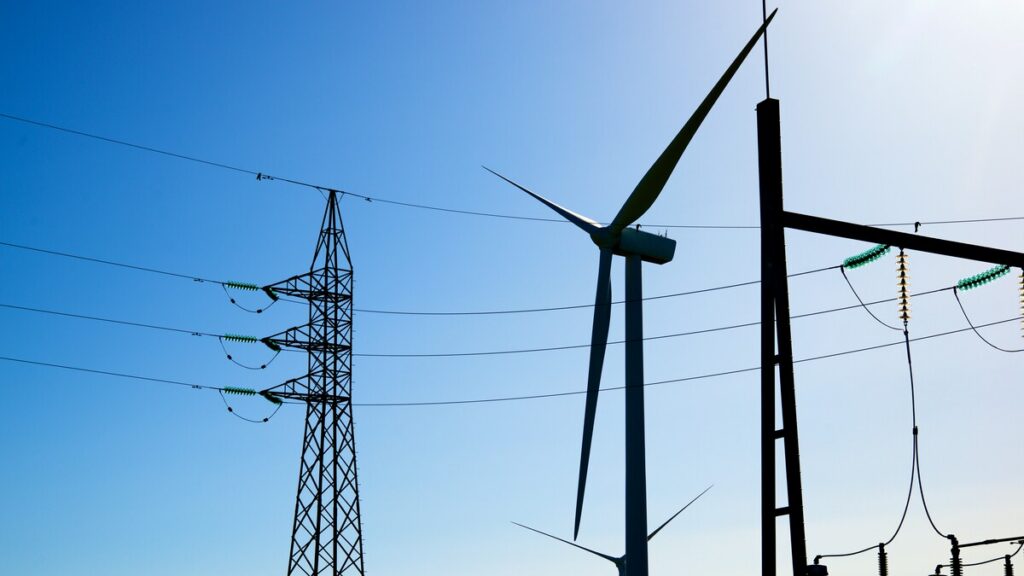
Spain’s electricity system came under pressure as operators were forced to act to prevent a potential blackout Credit: Shutterstock/WINDCOLORS
Spain’s electricity system came close to a new large-scale disruption in January according to reports, after grid operators were forced to take urgent action to stabilise supply and avoid a potential blackout. The incident, which took place at the end of January, has raised fresh concerns about the resilience of the country’s power network as demand patterns and renewable energy output continue to shift.
At the centre of the system is Red Eléctrica de España, the operator responsible for balancing electricity supply and demand in real time. When that balance is disrupted, even briefly, the consequences can escalate quickly.
What triggered the near blackout
According to reports, the system came under pressure during a period of high renewable generation, particularly from wind energy. While renewables are a key part of Spain’s energy strategy, they also introduce volatility, as output can change rapidly depending on weather conditions.
At one critical moment, operators reportedly issued an urgent instruction to cut wind production immediately in order to stabilise the grid. Without that intervention, the imbalance between supply and demand could have affected system frequency, increasing the risk of a cascading failure. Spain’s electricity network operates within strict frequency limits. If those limits are breached, automatic protections can disconnect parts of the system, potentially leading to widespread outages.
Why cutting wind power can prevent a collapse
Although it may seem counterintuitive, reducing renewable generation can sometimes be necessary to protect the system. When supply significantly exceeds demand, frequency rises above safe levels. This can be just as dangerous as a shortfall. To manage this, grid operators use a range of tools, including curtailing generation, activating reserve capacity, or adjusting interconnections with neighbouring countries.
Spain has one of Europe’s highest shares of renewable energy, particularly wind and solar. While this reduces dependence on fossil fuels, it also increases the need for precise real-time coordination to keep the system stable.
Pressure on the system is not new
The incident comes as Spain continues to examine weaknesses in its electricity network following the 2025 Iberian Peninsula blackout, which affected millions of people across Spain and Portugal. More recently, regulators including the National Commission on Markets and Competition have been investigating long-term rule breaches and structural issues that may have contributed to past failures. While the January event did not result in an outage, it highlights how quickly the system can come under strain, particularly during periods of fluctuating renewable output.
What this means as summer demand approaches
With warmer months ahead, electricity demand is expected to rise sharply due to air conditioning and increased tourism. At the same time, renewable output will continue to vary depending on weather conditions.
For households and businesses, the system remains stable, but incidents like this underline the importance of continued investment in grid infrastructure, storage solutions and backup capacity. Spain has made significant progress in its energy transition, but maintaining reliability as the system evolves remains a complex challenge. The near blackout serves as a reminder that while the lights stayed on, the margin for error can sometimes be thinner than expected.
Sign up for personalised news
Subscribe to our Euro Weekly News alerts to get the latest stories into your inbox!
By signing up, you will create a Euro Weekly News account if you don't already have one. Review our Privacy Policy for more information about our privacy practices.




Dora Urbancsek
Dora Urbancsek is an SEO writer with over eight years of experience producing high-quality, search-optimised journalism and digital content. Based in Spain for more than five years, she covers a wide range of topics concerning Spain and Europe, including current affairs, community stories, culture, and lifestyle. Dora is known for accurate, well-researched reporting that keeps readers informed and engaged.
Comments