Drivers on Malaga’s AP-7 toll road receive sophisticated text message scam
By Adam Woodward • Published: 21 Apr 2026 • 13:22 • 2 minutes read
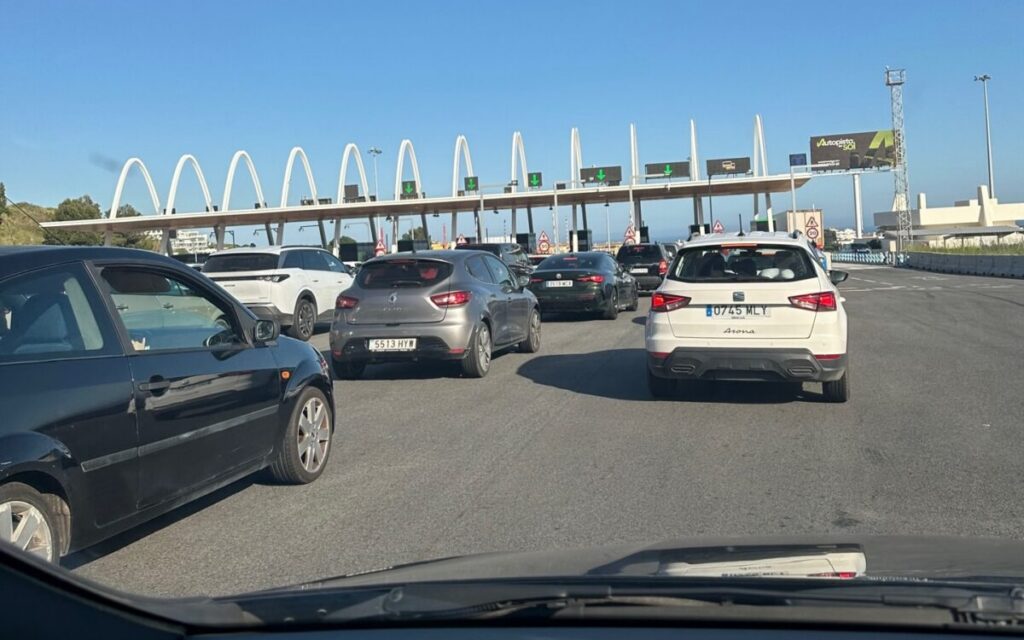
Approach to one of the tolls on the AP-7 Credit: fuengirolasequeja FB
Drivers using the busy AP-7 toll motorway on the Costa del Sol need to stay alert to a fresh wave of text message fraud. Criminals are sending convincing-looking messages that pretend to come from the Dirección General de Tráfico (DGT), Spain’s traffic authority, and demand immediate payment for an unpaid toll.
How the fraudulent message works
Recipients get a text message from an account appearing as DGTInfo. The text claims a toll on the AP-7 remains unpaid and lists the vehicle’s make, model, and registration plate for added credibility. It states a specific amount due and insists on settlement within 24 hours. Failure to pay, according to the message, will result in a €200 fine. A shortened link in the message leads to a fake payment site designed to capture personal and banking details.
Ausol, the company managing the AP-7 concessions between Malaga, Marbella, and Guadiaro, quickly identified the messages as fake. The company attempted to contact affected drivers directly to confirm that no official communication had been sent and called for everyone to ignore the texts completely. Access to the link must be avoided at all costs to prevent data theft.
Smishing tactics target Costa del Sol drivers
This incident represents a clear case of smishing, where fraudsters exploit SMS messaging to trick people into visiting malicious websites. Personal vehicle details make the messages look authentic and create a sense of urgency that pressures quick action without proper checks.
Drivers on this key Malaga route face particular risk because of high traffic volumes
National Police stress that genuine toll operators and traffic bodies never request urgent payments through text messages or direct links. Such demands always signal potential danger.
Official DGT policy on notifications
DGT communications follow strict channels only. Traffic fines and related matters reach drivers exclusively via postal mail or the official Dirección Electrónica Vial (DEV) electronic mailbox. No exceptions exist for text message or email notifications involving payments or penalties. An official text message may alert its recipient of a communication on the official site or the impending arrival of a registered postal communication, but never a demand to pay immediately via a link within the same message.
It is recommended to treat any text that mentions unpaid tolls, immediate fines, or external payment links as suspicious. Verification should only happen through official DGT channels or by contacting Ausol directly using known contact details from their verified website.
Protecting yourself from similar frauds
The tendency for most on receiving such a message is to panic and just pay up, a habit fraudsters exploit. Simple habits help drivers stay safe. Delete questionable messages without opening links. Check vehicle records through authorised apps or portals rather than responding to unsolicited texts. Report incidents to police or consumer protection services so patterns can be tracked.
How fraudsters came by the number plates of users of the AP-7 is not yet known, but it does suggest they have installed number plate-reading technology at some point along the toll road to trap drivers into thinking the smishing messages are convincingly real.
Road users on Spanish motorways encounter growing numbers of these attempts. Awareness remains the best defence against losing money or compromising sensitive information. Regular checks of official sources keep everyone informed about new risks in this area.
Sign up for personalised news
Subscribe to our Euro Weekly News alerts to get the latest stories into your inbox!
By signing up, you will create a Euro Weekly News account if you don't already have one. Review our Privacy Policy for more information about our privacy practices.





Adam Woodward
Adam is a writer who has lived in Spain for over 25 years. With a background in English teaching and a passion for music, food, and the arts, he brings a rich personal perspective to his work at Euro Weekly News. As a father of three with deep roots in Spanish life, Adam writes engaging stories that explore culture, lifestyle, and the everyday experiences that shape communities across Spain.
Comments