Moroccan peppers safe in Spain? EU alert raises food concerns
By Lucy Ramnought • Published: 29 Apr 2026 • 15:14 • 2 minutes read
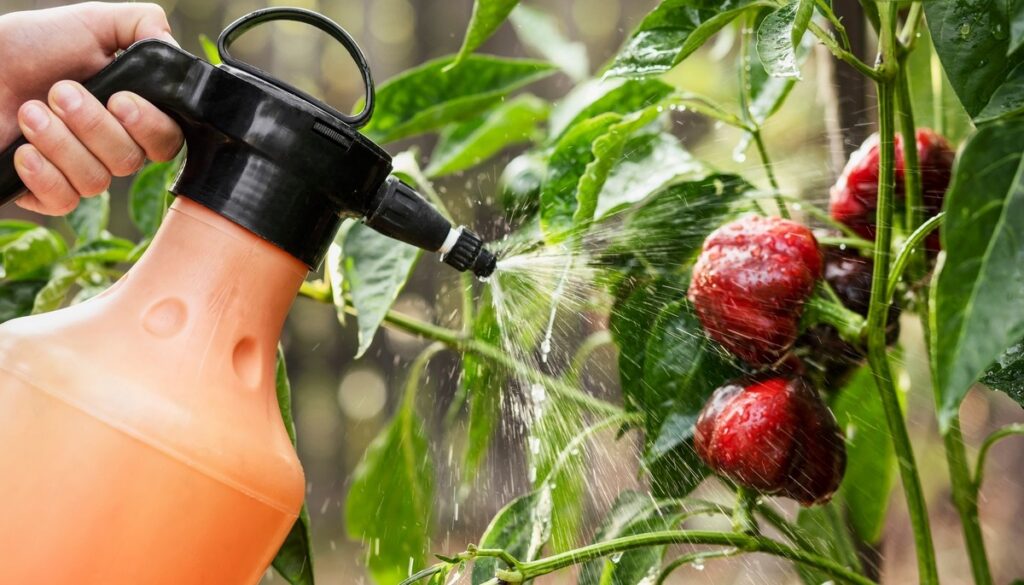
EU safety controls stopped the Moroccan peppers Credit: Mariana Serdynska/shutterstock
EU food safety controls have again flagged shipments of Moroccan peppers at Spanish borders after detecting pesticide residues above the legal limits. The alert raises fresh concerns among consumers in Spain about how safe imported vegetables really are.
The warning was issued through the EU Rapid Alert System for Food and Feed (RASFF), which identified residues of non-authorised pesticides such as chlorpyrifos and fenazaquin in several consignments. Both substances are banned or heavily restricted in the European Union due to potential health risks, particularly affecting the nervous system.
The alert trigger
The alert originated from routine border inspections in Spain, where thankfully authorities detected pesticide levels exceeding EU Maximum Residue Limits (MRLs). The shipments were immediately rejected, preventing them from entering the food supply chain.
Under EU rules, such cases are classified as ‘serious’ when residue levels significantly exceed permitted thresholds, triggering alerts across member states.
The substances detected
The main substances identified include –
- Chlorpyrifos, banned in the EU since 2020 due to links to neurological damage and developmental risks.
- Fenazaquin, a restricted pesticide used against mites but not authorised under EU food safety standards.
In similar past incidents, residue levels have exceeded legal limits by several multiples, leading to “grave” classifications within the RASFF system.
Previous pepper issues
This is not an isolated incident. In February 2026, EU authorities again flagged Moroccan peppers containing multiple pesticide residues. Spain has also previously rejected shipments with chlorpyrifos levels far above legal limits, while other countries such as Germany have withdrawn similar products from sale.
These repeated cases suggest a bigger compliance challenge rather than a one-off failure.
Should pepper fans in Spain be worried?
For those in Spain, the affected batches were stopped before reaching supermarkets, a reassurance that non-compliant shipments are typically intercepted before reaching consumers. This means the immediate risk to the public remains low in these cases.
However, repeated alerts highlight two important issues. Stricter border controls are likely to continue, and public confidence in imported produce can be affected even when products never reach shelves.
The EU system operates on a batch-by-batch control basis, meaning each shipment is inspected and only those meeting strict standards are allowed into the supermarkets.
Good news for shoppers is Moroccan peppers available in supermarkets remain subject to strict EU safety controls. The current alert does not indicate an immediate health threat, but it reinforces the importance of ongoing monitoring, strong import checks, and transparent food safety systems.
Sign up for personalised news
Subscribe to our Euro Weekly News alerts to get the latest stories into your inbox!
By signing up, you will create a Euro Weekly News account if you don't already have one. Review our Privacy Policy for more information about our privacy practices.




Lucy Ramnought
Lucy Ramnought is a local news writer and mother of 4 from the UK who has lived in the Costa Del Sol for just over 4 years. With a background in content writing and social media for various companies, and with vast experience in PA and project management, Lucy is committed to producing accurate, engaging and reliable stories to her work at Euro Weekly News.
Comments