Tragic Malaga bank holiday: Why Spanish motorcycle deaths are becoming more common
By Adam Woodward • Published: 03 May 2026 • 11:55 • 2 minutes read
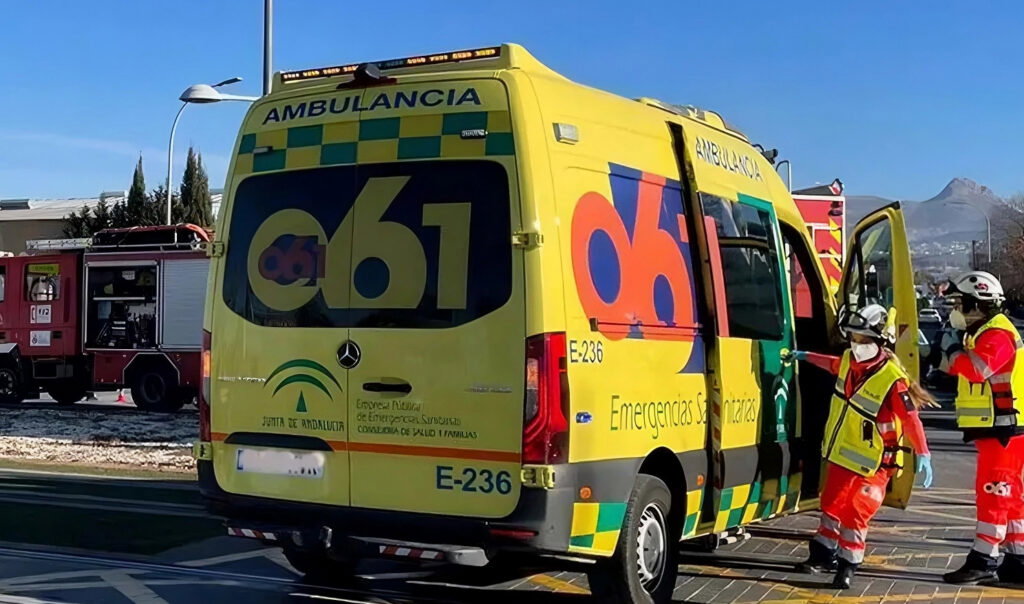
Andalucian emergency services. Credit: EMA X
Malaga province has witnessed a devastating series of road tragedies during the May bank holiday weekend. Three separate incidents have claimed the lives of motorcyclists within just a few days, which has cast a shadow over the festive period. Spain faces the sobering reality of a growing safety crisis on southern roads.
Recent fatalities in Malaga
Emergency services rushed to the A-7 motorway near Mijas late Saturday night following reports of a fallen rider. A 54-year-old man died at the scene near kilometre 1020 after losing control of his bike while travelling in the Marbella-bound direction. Paramedics from the 061 health emergency centre arrived quickly but found themselves unable to revive the individual, who succumbed to his injuries instantly.
Two younger victims also lost their lives in the Axarquia region earlier in the week. A 25-year-old resident of Frigiliana perished on Thursday after his bike veered off an agricultural track near Nerja and struck a tree. Friday morning brought even more grief when a 17-year-old student from Torrox died in a similar way after losing control and colliding with a large tree within the town’s centre.
Mayor Óscar Medina expressed profound sadness regarding the loss of such young life, offering support to the grieving families. While the exact circumstances of each accident are still being investigated, the local accidents are all part of a more complex issue currently facing Spain. Motorcyclists now account for roughly 25 per cent of all road fatalities across the country, even though they represent a mere 12 per cent of the total vehicle fleet.
Worrying trend on secondary roads
Drivers holding a standard Category B car licence for three years can legally operate 125cc motorcycles without additional training in Spain. This specific loophole often places inexperienced riders in dangerous situations where they lack the technical skills to handle sudden hazards. Maturer riders aged between 40 and 60 also feature heavily in accident statistics, frequently returning to powerful bikes after decades away from the handlebars without refreshing their training.
Statistical evidence shows that nearly 78 per cent of these fatal crashes occur on conventional single-lane roads rather than modern motorways. These routes often feature older infrastructure and unforgiving guardrails that turn minor falls into life-threatening events. Speeding, alcohol consumption, and incorrectly fastened helmets are still leading factors in these preventable deaths.
Understanding the statistical gap
Spain doesn’t compare well with its European neighbours regarding two-wheeled safety, despite maintaining a respectable overall road safety record. National data shows that the percentage of motorcycle deaths is a lot higher than the European average at approximately 19 per cent. Countries such as Sweden and Denmark continue to lead the continent with much lower fatality rates per million inhabitants.
Regional climate plays a big role in these figures, as the Spanish weather permits year-round riding. Frequent use naturally increases the probability of incidents compared to Northern European nations where bikes stay in garages during winter months. However, the disparity in training requirements and road design continues to be the main concern for safety advocates.
Stricter rules for future safety
The national traffic authority (DGT) has implemented stricter regulations throughout 2025 and 2026 to combat this lethal pattern. Riders must now wear approved gloves and closed footwear at all times to minimise injury severity. Specialised safety courses have become a requirement for those wanting to recover licence points, focusing heavily on hazard perception and emergency braking techniques.
Sign up for personalised news
Subscribe to our Euro Weekly News alerts to get the latest stories into your inbox!
By signing up, you will create a Euro Weekly News account if you don't already have one. Review our Privacy Policy for more information about our privacy practices.




Adam Woodward
Adam is a writer who has lived in Spain for over 25 years. With a background in English teaching and a passion for music, food, and the arts, he brings a rich personal perspective to his work at Euro Weekly News. As a father of three with deep roots in Spanish life, Adam writes engaging stories that explore culture, lifestyle, and the everyday experiences that shape communities across Spain.
Comments