Gas boilers to disappear from Spanish homes as EU sets 2040 deadline
By Farah Mokrani • Published: 03 May 2026 • 13:06 • 3 minutes read
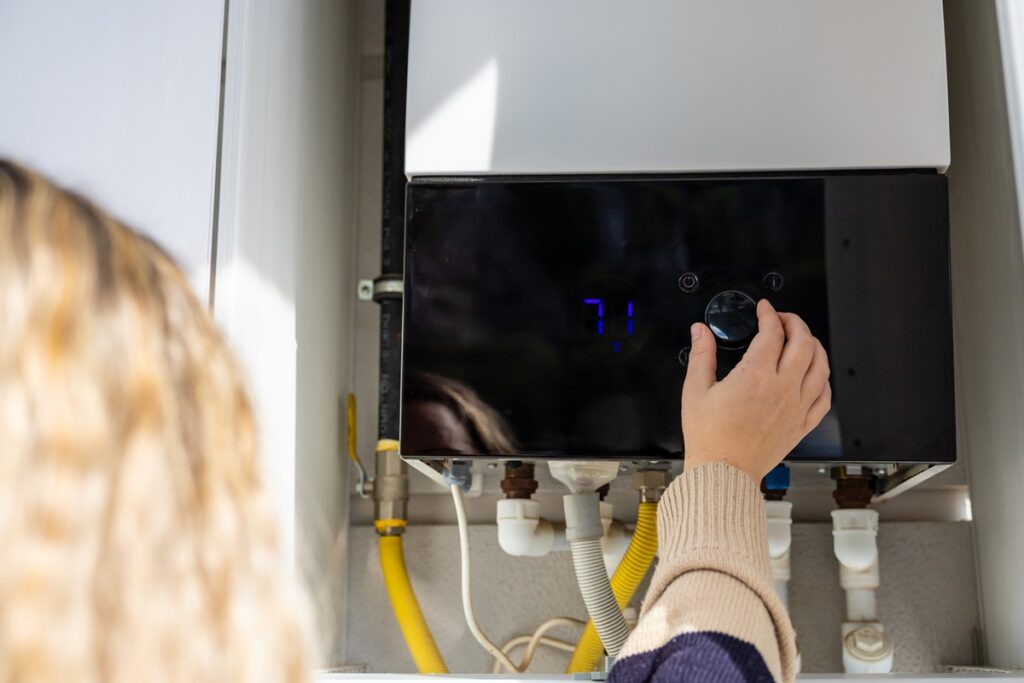
Gas boilers in Spanish homes face phase out as EU targets 2040 deadline Credit : Kandybka Alina, Shutterstock
If your home in Spain still runs on a gas boiler, nothing changes overnight. But the long term plan is now clear. The European Union has confirmed that traditional gas boilers powered by fossil fuels are set to disappear by 2040, with a gradual phase out already underway.
For many homeowners, the real impact is not the final deadline, but the steps already happening now. From changes in subsidies to new building rules, the shift away from gas heating has already started to shape what people can install and how homes are being upgraded.
This is less about a sudden ban and more about a slow transition that is already in motion.
What is actually changing for gas boilers in Spain
By 2040, gas boilers using fossil fuels are expected to be phased out across the EU, including Spain. But the path to that point is gradual.
The aim is to reduce emissions from buildings, which remain one of the biggest sources of energy use in Europe. Heating systems that rely on gas, oil or coal play a major role in that.
Instead of forcing homeowners to replace their systems immediately, the EU is focusing on reducing demand over time. That means limiting new installations, removing financial incentives and encouraging alternatives.
This approach allows people to adapt when the time comes, rather than being pushed into sudden changes.
Key dates that matter before 2040
Although 2040 is the end goal, several earlier milestones are already affecting decisions.
From January 2026, new homes are no longer allowed to install gas boilers. Any newly built property in Spain must use alternative heating systems from the start.
Public buildings are moving even faster. The EU wants zero emissions in public buildings by 2028, with new buildings expected to be climate neutral by 2030.
There is also a broader push to reduce most gas and diesel boilers by around 2035, using a mix of regulations and incentives.
At the same time, financial support for installing new gas boilers has already been removed. Instead, funding is being directed towards energy efficient upgrades and cleaner heating systems. For homeowners, this is where the change becomes visible.
What this means if you already have a gas boiler
For now, your current system is not going anywhere. There is no rule forcing homeowners in Spain to remove an existing gas boiler if it is still working. You can continue using it as usual.
However, the situation changes when you need to replace it.
If your boiler reaches the end of its life, the options available at that point may be different from what you would have chosen a few years ago. Regulations are becoming stricter, and financial incentives are no longer in favour of gas systems.
Even now, any new gas boiler installed must meet high efficiency standards, typically requiring condensation technology that complies with current rules.
That means decisions taken today already sit within a framework that is shifting away from fossil fuels.
Why subsidies and tax incentives are changing
One of the clearest signals comes from how money is being directed.
In recent years, subsidies for installing gas boilers have been removed. Instead, governments are offering support for changes that improve energy efficiency or reduce emissions.
In Spain, this can include financial help or tax deductions for upgrades such as insulation, renewable energy systems or more efficient heating solutions.
For many homeowners, this creates a practical question. Not just what is allowed, but what makes financial sense.
Over time, these incentives are likely to influence choices more than the regulations themselves.
A shift that will happen step by step
For most households, the transition will feel gradual. Gas boilers will not disappear all at once. They will be replaced as they wear out, as homes are renovated or as new properties are built under different rules.
This means the change will be visible over years rather than months. Older systems will slowly become less common, while newer homes will move in a different direction from the start.
It is a quiet shift, but one that will reshape how homes are heated across Spain.
How this could affect the housing market
Energy efficiency is becoming a bigger part of how properties are valued. Homes that rely on older systems may become less attractive over time, especially as running costs and regulations evolve.
On the other hand, properties with modern, efficient heating systems are likely to appeal more to buyers looking ahead.
For homeowners thinking about selling or renovating, this is something to keep in mind. Heating is no longer just about comfort. It is becoming part of the wider picture of how a home is judged.
Looking ahead to what comes next
The move away from gas boilers is not happening in isolation. It sits within a broader effort to reduce emissions and improve energy use in buildings across Europe.
For homeowners, the key question is not whether the change is coming. That part is already decided. The real question is when it will affect you directly.
For now, many people will carry on as they are. But the next time a boiler needs replacing, the choice may look very different and that is where the shift becomes real.
Sign up for personalised news
Subscribe to our Euro Weekly News alerts to get the latest stories into your inbox!
By signing up, you will create a Euro Weekly News account if you don't already have one. Review our Privacy Policy for more information about our privacy practices.




Farah Mokrani
Farah is a journalist and content writer with over a decade of experience in both digital and print media. Originally from Tunisia and now based in Spain, she has covered current affairs, investigative reports, and long-form features for a range of international publications. At Euro Weekly News, Farah brings a global perspective to her reporting, contributing news and analysis informed by her editorial background and passion for clear, accurate storytelling.
Comments