Amsterdam bans burger and flight ads from streets in major climate crackdown
By Farah Mokrani • Published: 06 May 2026 • 15:22 • 3 minutes read
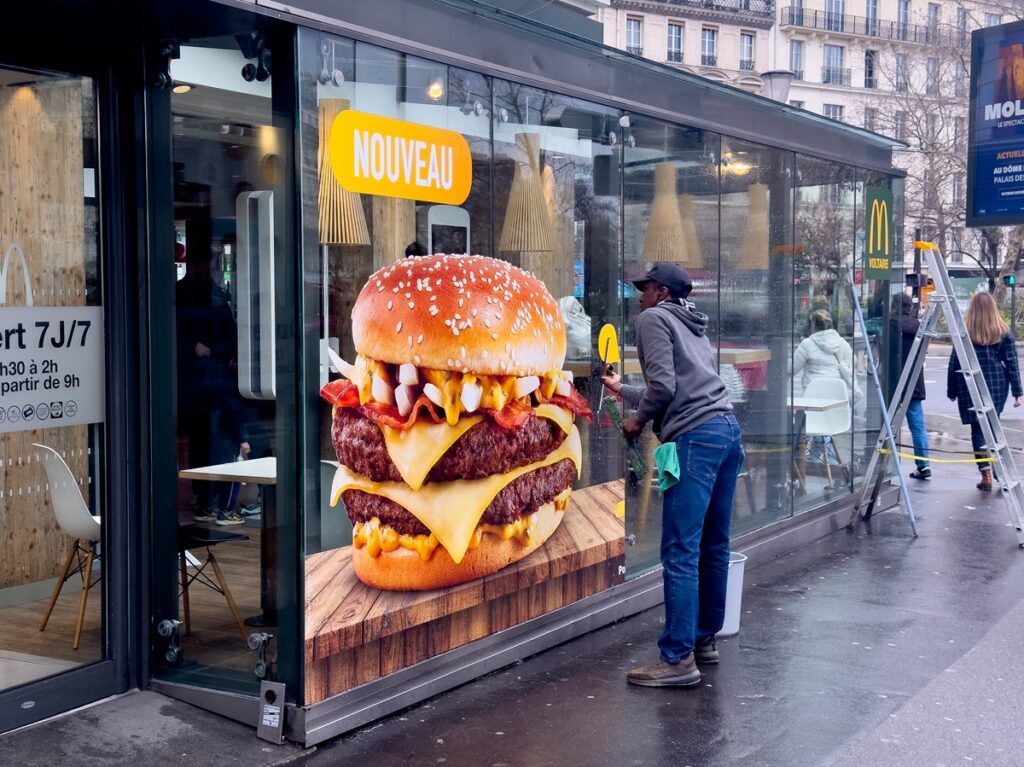
Amsterdam has started removing meat and fossil fuel advertising from public spaces across the city Credit : Wiliamhero, Shutterstock
People walking through Amsterdam will no longer see posters promoting burgers, fried chicken, cheap flights or petrol cars across the city’s public spaces. The Dutch capital has officially started enforcing a ban on advertising linked to meat products and fossil fuels, becoming the first capital city in the world to introduce restrictions of this kind on such a large scale.
The move, which came into force this month, is already attracting attention far beyond the Netherlands because of what it targets and because of the debate it is starting to create. Supporters say cities cannot seriously talk about climate goals while still filling streets and transport stations with advertising encouraging high emission lifestyles. Critics argue the measure goes too far and interferes with consumer choice.
Either way, the change means Amsterdam’s streets are about to look noticeably different.
Burger ads, flights and petrol cars are disappearing from Amsterdam streets
The new rules apply across public spaces controlled by the city.
That includes advertising on buses, tram stops, metro stations, billboards and other municipal advertising spaces. Campaigns promoting meat products, fossil fuel companies, petrol and diesel cars, cruises and some flight related advertising are now affected.
Private shops and media outlets are not included in the restrictions, so businesses can still advertise through their own premises, newspapers, television or online platforms. But for anyone moving around Amsterdam’s public transport network, the shift will become increasingly visible.
The policy was originally approved earlier this year after a Dutch court confirmed municipalities could restrict advertising considered harmful to health or the environment.
The decision was pushed forward mainly by GroenLinks and the Party for the Animals, two political groups that have strongly campaigned on environmental issues in recent years.
For supporters, the comparison with tobacco advertising comes up frequently.
They argue that governments eventually accepted limits on cigarette advertising because of health concerns and believe products linked to climate damage should increasingly face similar restrictions in public spaces.
Why meat advertising has become part of the climate debate
One reason the Amsterdam decision is attracting so much attention is because it does not focus only on fossil fuels.
The inclusion of meat advertising has surprised many people outside the Netherlands.
Environmental campaigners argue that industrial meat production contributes significantly to greenhouse gas emissions, particularly through cattle farming and intensive agriculture. That argument has already influenced climate discussions across Europe over the last few years, but Amsterdam is now taking the debate into visible public policy.
The Dutch city of Haarlem became the first place in the world to announce a broad ban on meat advertising in public spaces back in 2022, with the rules later entering into force in 2024.
Amsterdam is now taking the idea much further because of its size and international visibility.
The decision also arrives at a time when discussions around food, climate and consumer habits are becoming increasingly political across Europe.
For some residents, removing burger adverts from bus stops feels symbolic more than life changing. For others, it represents authorities trying to influence personal choices too directly.
Travel companies and the meat industry are already pushing back
Opposition to the measure appeared almost immediately. The Dutch meat sector criticised the decision, arguing that meat remains an important source of nutrients and accusing authorities of trying to shape consumer behaviour through restrictions rather than information.
Travel industry groups have also reacted strongly, particularly regarding limits on advertising linked to flights and cruise holidays.
Some tourism representatives argue that restricting advertising for holidays involving air travel unfairly targets businesses operating legally while limiting commercial freedom.
That criticism reflects a wider tension already visible in several European countries.
Governments and cities are increasingly introducing climate related policies that directly affect transport, tourism and consumption habits. But those measures often spark frustration from industries that feel they are being singled out.
Amsterdam’s decision is likely to intensify that conversation.
Other cities are already watching closely
Although Amsterdam is the first capital city to adopt this kind of combined restriction, it is not entirely alone.
France already introduced limits on fossil fuel advertising in 2022, while cities such as Edinburgh, Stockholm and Florence have also introduced restrictions linked to fossil fuel campaigns in public spaces.
Meanwhile, United Nations Secretary General António Guterres has publicly called for a global ban on advertising from fossil fuel companies, comparing the situation to tobacco advertising in previous decades.
Environmental activists in the Netherlands hope Amsterdam’s approach will now encourage other cities to move in the same direction.
Whether that actually happens remains unclear.
What is certain is that the debate is no longer limited to energy companies or government policy papers. It is now reaching everyday public spaces, from bus shelters to train stations and advertising boards.
And for many people visiting Amsterdam this summer, the absence of burger adverts and cheap flight promotions may end up becoming one of the city’s most talked about changes.
Sign up for personalised news
Subscribe to our Euro Weekly News alerts to get the latest stories into your inbox!
By signing up, you will create a Euro Weekly News account if you don't already have one. Review our Privacy Policy for more information about our privacy practices.




Farah Mokrani
Farah is a journalist and content writer with over a decade of experience in both digital and print media. Originally from Tunisia and now based in Spain, she has covered current affairs, investigative reports, and long-form features for a range of international publications. At Euro Weekly News, Farah brings a global perspective to her reporting, contributing news and analysis informed by her editorial background and passion for clear, accurate storytelling.
Comments