Spain tax return 2025: how to book a Hacienda phone call and what documents you need
By Farah Mokrani • Published: 06 May 2026 • 13:21 • 3 minutes read
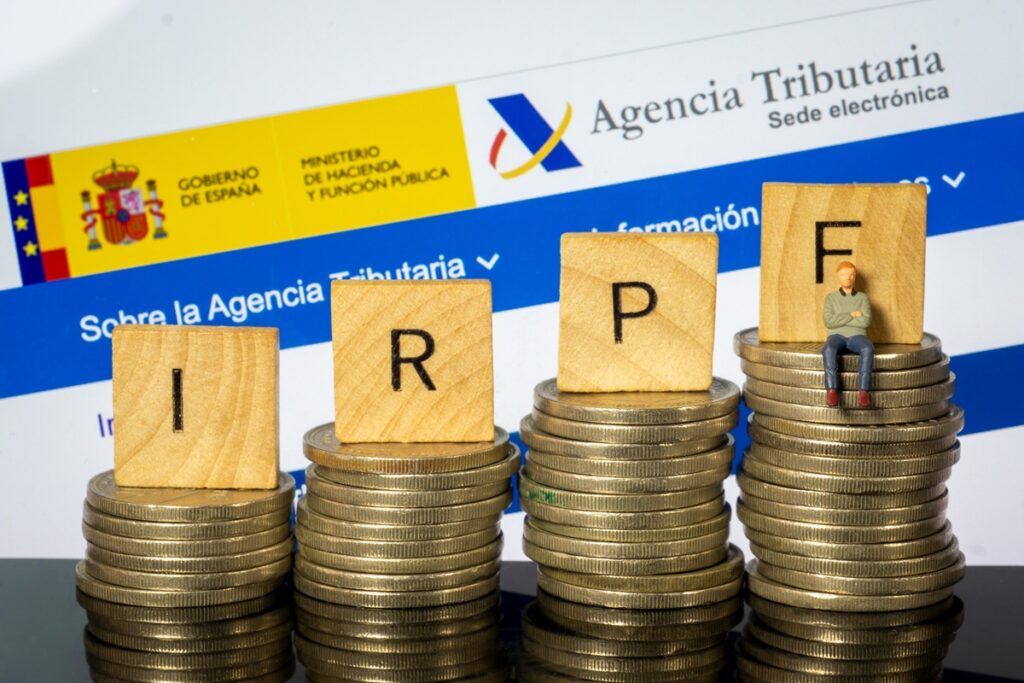
Hacienda has reopened phone appointments for Spain’s 2025 tax return campaign Credit : SapiensVerbum, Shutterstock
For many people in Spain, tax season usually means hours spent staring at forms, trying to remember passwords or wondering if something important has been forgotten. But from this wednesday, May 6, there is another option again. Hacienda has officially restarted its phone assistance service for the 2025 Renta campaign, allowing eligible taxpayers to complete their declaration directly over the phone with the Tax Agency.
The service, known as ‘Le Llamamos’, has become increasingly popular in recent years, especially among older residents, busy workers and people who simply do not want to deal with the online process alone. Once an appointment is booked, a Tax Agency adviser calls the taxpayer directly and helps complete the declaration step by step.
At the same time, Hacienda is reminding people to stay alert because tax scams tend to surge during the Renta campaign. Officials say taxpayers should only trust calls coming from the official number used by the Agency.
How the Hacienda phone appointment system works
The process starts with booking an appointment.
Taxpayers can request one online through the Agencia Tributaria website, through the official app or by telephone. Appointments opened on April 29 and remain available until June 29.
After choosing either a morning or afternoon slot, the system assigns a specific date and time for the call. On that day, an adviser from Hacienda contacts the taxpayer directly to prepare and submit the declaration.
The official number used for these calls is 913335333.
That detail matters more than ever because tax related scams have become increasingly common during filing season. The Agency has warned people not to trust calls, text messages or WhatsApp messages claiming to be from Hacienda if they come from unofficial numbers or suspicious links.
Every year, fraudsters take advantage of the confusion surrounding tax refunds and deadlines. Some messages claim the taxpayer is owed money, while others ask for banking details or direct people towards fake websites designed to steal personal information.
For many people, the safest option is simple. Ignore any unexpected contact unless it comes through official channels.
The documents people are being told to prepare before the call
One thing that makes the phone service work smoothly is preparation.
Before the call begins, taxpayers are encouraged to have all the necessary information nearby. Without it, the appointment can quickly become stressful and much longer than expected.
The Tax Agency recommends having identification documents, the tax reference number, bank account details and property information ready before the adviser calls.
People who own rental properties, sold a home, received grants or want to apply deductions may also need additional paperwork and receipts.
For many taxpayers, this part is where mistakes happen. Some people assume the draft prepared by Hacienda already contains everything correctly and approve it without checking properly.
Tax professionals regularly warn against doing that.
Even if much of the information is preloaded, taxpayers are still responsible for reviewing the declaration and making sure deductions, property details and income information are correct.
That is one reason the phone service appeals to so many people. Instead of trying to understand everything alone, they can go through it with someone directly.
Who can actually use the ‘Le Llamamos’ service
The phone assistance system is not available for every taxpayer, but it covers a large number of common situations.
Generally, it is aimed at people with relatively straightforward tax declarations. That includes many employees, pensioners and taxpayers with limited investment or rental income.
People taxed under the módulos system can also qualify in certain cases.
The service has grown significantly over recent years because demand continues increasing. During the last campaign, more than 1.18 million declarations were completed through the phone assistance programme.
For many residents, particularly older people, it has become easier than trying to navigate digital systems alone.
Special support has also started for older residents in small towns
Alongside the phone campaign, Hacienda has also launched a separate assistance plan for people over 65 living in municipalities with fewer than 3,000 residents.
These taxpayers can also request personalised support by appointment.
The idea behind the measure is to help people living in smaller areas where access to administration services may be more limited or where digital procedures can feel more complicated.
In many rural parts of Spain, older residents still prefer dealing with real people rather than completing official procedures entirely online.
The Tax Agency knows that, which is partly why these assistance programmes continue expanding.
Why many people are avoiding the online process
Although online filing remains the fastest option for some taxpayers, many people still find the process intimidating.
Passwords expire, reference numbers disappear and technical language often creates confusion. Even people who normally manage digital procedures comfortably sometimes prefer speaking directly with someone during tax season.
The phone service offers a middle ground. People can stay at home, avoid queues and still receive personalised help without needing to visit an office.
Face to face appointments will still begin later in the campaign, but many taxpayers are already turning to the phone option first. And with the June 30 deadline slowly getting closer, appointment demand is expected to remain high throughout the coming weeks.
Sign up for personalised news
Subscribe to our Euro Weekly News alerts to get the latest stories into your inbox!
By signing up, you will create a Euro Weekly News account if you don't already have one. Review our Privacy Policy for more information about our privacy practices.



Farah Mokrani
Farah is a journalist and content writer with over a decade of experience in both digital and print media. Originally from Tunisia and now based in Spain, she has covered current affairs, investigative reports, and long-form features for a range of international publications. At Euro Weekly News, Farah brings a global perspective to her reporting, contributing news and analysis informed by her editorial background and passion for clear, accurate storytelling.
Comments