Airlines may slash 85,000 flights as fuel crisis threatens summer holidays
By Farah Mokrani • Published: 07 May 2026 • 12:23 • 4 minutes read
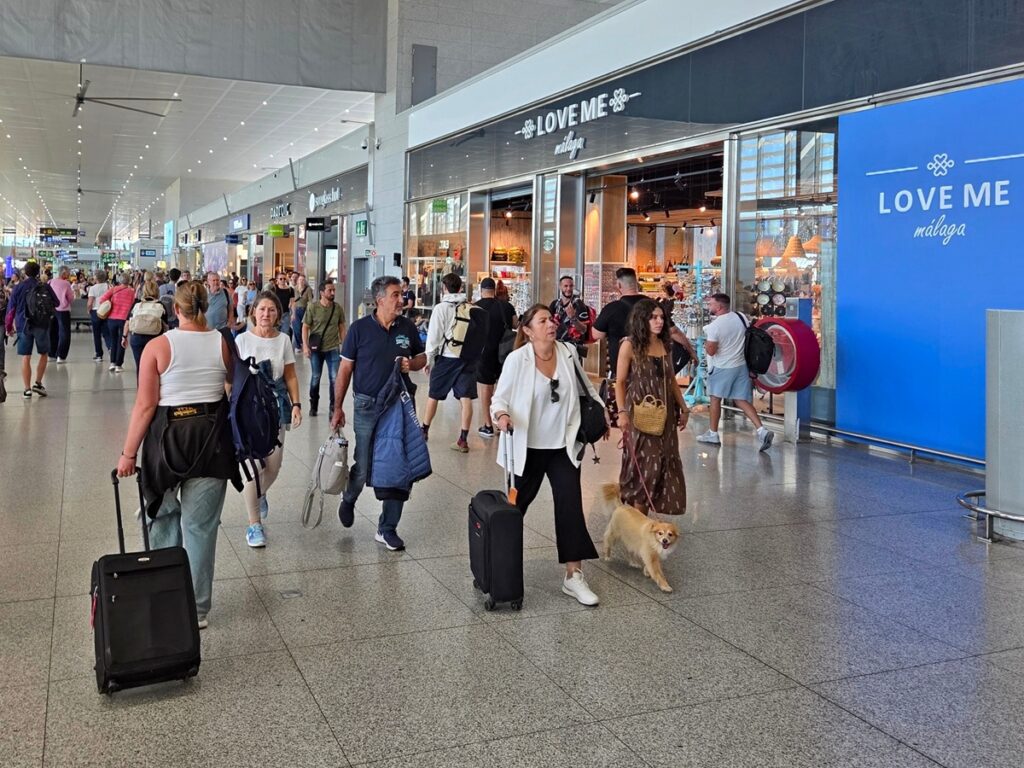
Airlines are warning of possible summer flight disruption as fuel concerns grow. Credit : Jaroslav Hruska, Shutterstock
Brits heading abroad this summer are being warned that as many as 85,000 flights could be cut in June if disruption linked to the Iran conflict continues to hit global jet fuel supplies. Airlines across Europe are already reducing schedules, fuel prices are climbing again and some travel experts now believe the industry could face its biggest summer strain since the pandemic.
The warning comes as carriers quietly trim flights ahead of the busy holiday season, with aviation analysts saying the situation could deteriorate quickly if supplies remain under pressure through the coming weeks.
Why airlines are suddenly cutting flights before the summer rush
For most passengers, the first signs are already appearing.
Flights have started disappearing from schedules, some routes are being consolidated and airlines are preparing for the possibility of further disruption if fuel becomes harder or more expensive to secure.
According to aviation analytics company Cirium, airlines removed more than 13,000 flights from May schedules over a two week period alone. During the same timeframe, more than two million seats vanished from planned capacity across global carriers.
Travel consultant Paul Charles warned that airlines may eventually have to reduce up to 10 per cent of flights if the pressure on jet fuel continues. Based on current schedules, that could mean around 85,000 flights being cancelled in June.
Airlines are increasingly making those decisions weeks in advance rather than waiting until the last minute. Industry insiders say carriers would rather cut flights early than leave passengers stranded at airports during peak holiday season.
The problems began escalating after the conflict involving Iran disrupted shipping traffic through the Strait of Hormuz, one of the world’s most important energy routes. Since then, aviation fuel markets have become increasingly unstable.
Fuel prices surged after the United States and Israel launched strikes on Iran earlier this year, while airlines operating through Gulf airspace have faced additional operational disruption linked to airspace closures and rerouted flights.
Some of the worst affected carriers so far include Gulf based airlines such as Emirates, Qatar Airways and Etihad.
Jet fuel prices are climbing again and airlines are feeling the pressure
Behind the scenes, airlines are facing a difficult balancing act. Passenger demand for summer travel remains strong, but operating costs are rising sharply as jet fuel becomes more expensive and harder to source.
Data from the International Air Transport Association showed average global jet fuel prices rose again last week after several weeks of decline. Prices remain dramatically higher than they were at the end of February.
Analysts say the issue goes far beyond the Middle East itself.
Countries in Asia are also struggling to secure enough crude oil supplies for refining, which is reducing jet fuel exports worldwide. Experts say that chain reaction is now starting to affect global aviation markets.
Matt Smith, commodity research director at Kpler, described the situation as a “slow motion car crash” during an interview with CNBC.
He warned that global jet fuel exports have dropped sharply in recent months and said the knock on effects are likely to spread further if the situation continues.
Several airlines are now looking for ways to offset rising costs without heavily increasing ticket prices.
That could mean passengers end up paying more for extras instead.
Some carriers have already increased baggage fees, while others are tightening cabin luggage rules on cheaper fares. Lufthansa recently introduced a lower cost fare category on some European routes that only includes a small personal bag.
Airlines in the United States including Delta, American Airlines and United have also raised some baggage charges in recent months.
What it could mean for holidaymakers flying from the UK and Spain
For now, travel experts stress that most flights are still operating normally and there is no blanket warning against travelling.
But there is growing concern about what could happen if fuel shortages worsen closer to peak summer season.
Rory Boland from consumer group Which? Travel said travellers are understandably nervous after the recent wave of cancellations, although he pointed out that overall cancellation rates are still relatively low compared to normal industry disruption.
His advice is for travellers to book package holidays where possible, as they offer stronger financial protection if flights are cancelled or significantly changed.
Meanwhile, the UK government has introduced temporary flexibility measures allowing airlines to combine passengers from different flights onto fewer aircraft in order to reduce fuel consumption.
That means some passengers could end up moved onto different services from the ones they originally booked. The policy has already sparked criticism from consumer groups, which argue that passengers should not lose protections simply because airlines are trying to cut costs.
At the same time, some economists are warning the situation could become more serious if the conflict drags on through the summer.
Richard Murphy, emeritus professor at Sheffield University Management School, said there is now “a very good chance” some people may struggle to take their planned summer holidays this year if fuel shortages intensify.
Even airlines that appear relatively protected are starting to acknowledge the risks.
Germany’s Lufthansa recently admitted the war in the Middle East is creating growing uncertainty around its financial outlook, although the airline said it has already secured most of its fuel supply for the year in advance.
British Prime Minister Keir Starmer has also publicly acknowledged that some travellers may eventually need to rethink holiday plans if disruption continues.
Despite that, governments continue to insist there is currently no immediate need for passengers to cancel trips.
For now, airports remain busy, flights are still departing and summer bookings continue. But with airlines already cutting schedules, fuel prices climbing again and warnings of up to 85,000 flights potentially disappearing in June, the industry is clearly preparing for a difficult few months ahead.
Sign up for personalised news
Subscribe to our Euro Weekly News alerts to get the latest stories into your inbox!
By signing up, you will create a Euro Weekly News account if you don't already have one. Review our Privacy Policy for more information about our privacy practices.




Farah Mokrani
Farah is a journalist and content writer with over a decade of experience in both digital and print media. Originally from Tunisia and now based in Spain, she has covered current affairs, investigative reports, and long-form features for a range of international publications. At Euro Weekly News, Farah brings a global perspective to her reporting, contributing news and analysis informed by her editorial background and passion for clear, accurate storytelling.
Comments