British Airways remove one of the last things making Club Europe feel premium. The tiny cabin change passengers are angry about
By Lucy Ramnought • Published: 07 May 2026 • 16:24 • 2 minutes read
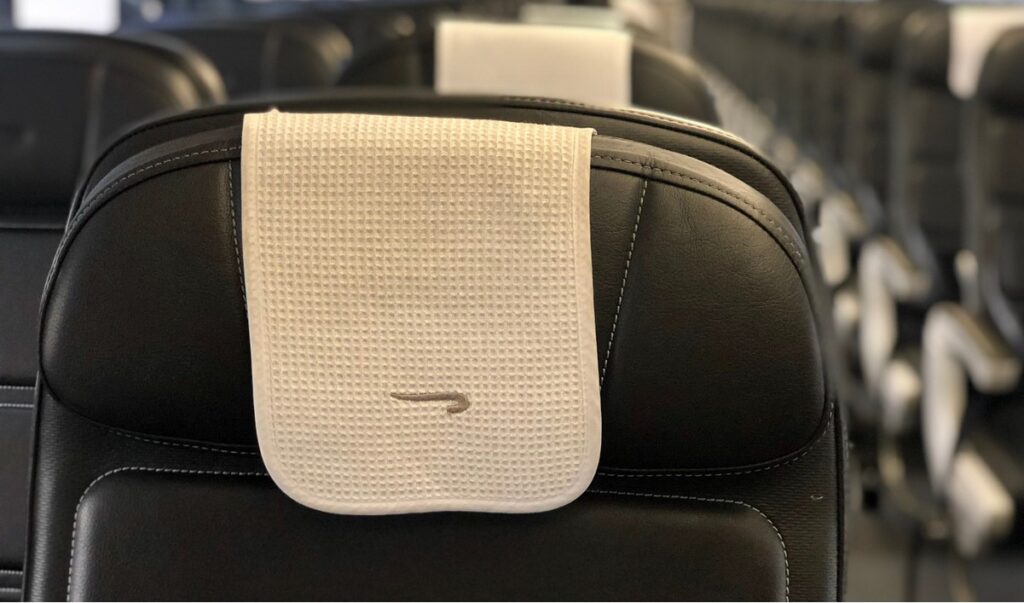
The small change caused upset Credit:photocritical/shutterstock
British Airways passengers are reacting angrily to a tiny cabin change that most travellers would normally never notice. The disappearance of the white headrest covers from Club Europe seats.
The airline is removing the fabric antimacassars from parts of its European fleet as it pushes faster cleaning and turnaround times, but frequent flyers say it also removes one of the last visible signs that short-haul business class is still a premium experience.
A familiar feature disappears
For decades, antimacassars have been a standard feature across premium airline cabins. Originally designed to protect seats from hair oils and wear, they evolved into a visual statement of cleanliness and exclusivity.
In Club Europe, the white headrest cover helped distinguish business class from economy, even though both cabins use the same seats.
British Airways has not announced a major redesign alongside the change. Instead, aviation industry reports say the decision is linked to faster aircraft turnarounds and simpler cabin cleaning procedures.
Because Club Europe seating expands or contracts depending on demand, staff previously had to move the covers between rows throughout the day.
Removing them eliminates one more task during short ground stops.
The hygiene argument
Modern British Airways short-haul aircraft use leather headrests that can be disinfected between flights without replacing fabric covers with many airlines favouring wipe-clean materials over removable textiles. From a sanitation perspective, aviation cleaning specialists generally agree leather surfaces are easier to clean quickly and consistently than fabric.
The disagreement is less about actual hygiene and more about perception.
Visible signs of freshness , sealed blankets, paper seat bands or freshly fitted headrest covers reassure passengers in ways invisible cleaning processes often do not.
For some travellers, the missing antimacassar makes the cabin feel less prepared, even if cleaning standards remain unchanged.
Why passengers care
People are frustrated with European short-haul business class in other ways and not just the loss of the fabric itself.
Most European business-class sections use standard economy seats with the middle seat blocked, with the airlines competing through lounge access, food service, flexibility and priority boarding. This leaves very few visual differences inside the cabin itself.
For some frequent flyers, the white headrest cover had become one of the signs that they were sitting in the premium section. Its removal has been seen by some passengers as yet another reduction in the overall business-class experience.
Pressure on European airlines
British Airways is not the only carrier trying to balance operational efficiency with passenger expectations.
Across Europe, airlines face rising fuel costs, aircraft shortages, labour pressures and tighter environmental targets. Faster turnarounds allow carriers to keep aircraft in the air longer and reduce delays across tightly scheduled networks.
At the same time, premium passengers are paying increasingly high fares for short-haul business-class tickets and expect visible differentiation from economy.
More than just a headrest cover
On its own, the disappearance of a small square of fabric is unlikely to influence booking decisions. Luxury in aviation is often found through subtle signals, dedicated check-in desks, glassware, linens, cabin dividers and visual touches that make a service feel distinct.
When those details disappear, passengers that are paying for it notice.
Follow Euro Weekly News on Google News
Get breaking news from Spain, travel updates, and expat stories directly on your Google News feed.
Follow on Google NewsSign up for personalised news
Subscribe to our Euro Weekly News alerts to get the latest stories into your inbox!
By signing up, you will create a Euro Weekly News account if you don't already have one. Review our Privacy Policy for more information about our privacy practices.




Lucy Ramnought
Lucy Ramnought is a local news writer and mother of 4 from the UK who has lived in the Costa Del Sol for just over 4 years. With a background in content writing and social media for various companies, and with vast experience in PA and project management, Lucy is committed to producing accurate, engaging and reliable stories to her work at Euro Weekly News.
Comments