The World Cup hasn’t started yet but countries are already losing
By Elli Freeman • Published: 08 May 2026 • 13:00 • 2 minutes read
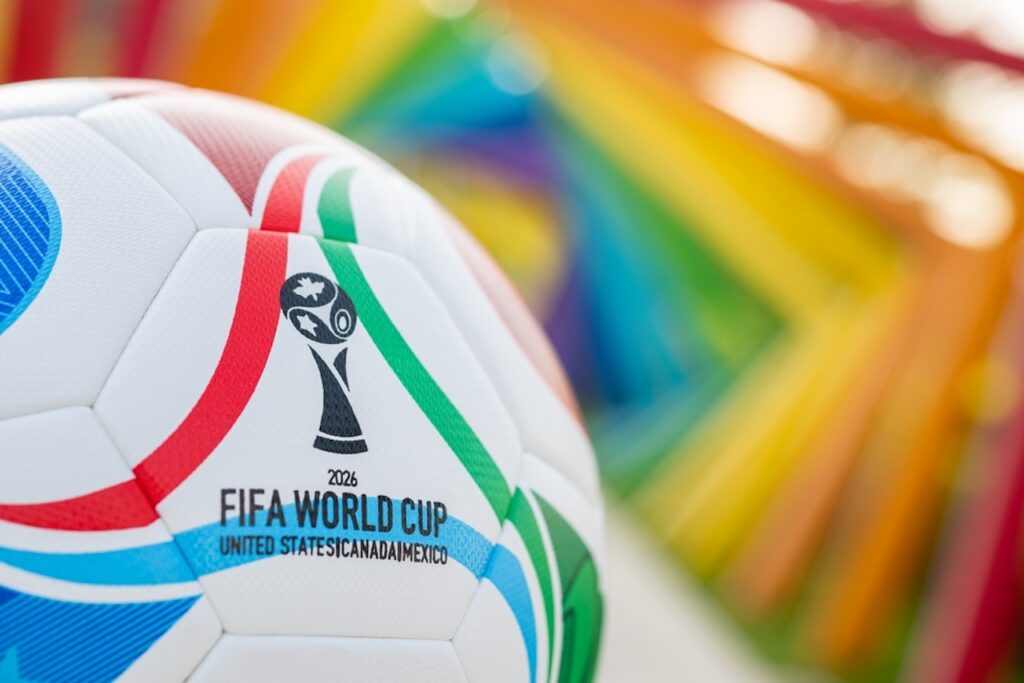
World Cup 2026, a pricy tournament for teams and fans Credit: Shutterstock, Freer
This summer 48 countries are set to compete in the World Cup in what is expected to be the most successful edition yet, but before the tournament gets underway, FIFA have upped each country’s pay.
Competing countries get a pay rise
Ahead of the 2026 World Cup, set to take place across the United States, Mexico and Canada, FIFA have increased payments to the competing international teams by 15 per cent. This takes the total pay-out to more than €767 million, up by €95.5 million, with all participating countries guaranteed a minimum of €10.6 million. FIFA officials have cited the commercial success of the flagship tournament as a reason for the pay bump.
The expanded tournament is expected to become the most commercially successful World Cup in history thanks to increased sponsorship, broadcasting and ticket revenue. FIFA has also increased preparation payments and additional subsidies for participating nations in an attempt to offset rising operational costs.
Nations are already facing losses
Despite the increase to both the prize money and participation funds, many countries still expect to compete at a financial loss, with the FIFA pay-outs not enough to cover the costs of competing.
The larger, more successful teams like England, Spain, and Germany will be impacted the most. The further they get in the tournament; the more expensive competing becomes. While there are additional payments for progressing to the final stages, these bonuses still aren’t enough to cover the accommodation and travel costs of teams and their entourage of staff.
Logistical costs are also expected to soar because of the tournament’s vast geography, with teams potentially travelling thousands of miles between fixtures across North America. Concerns have already been raised by several football associations over hotel prices, internal flights and security arrangements during the month-long competition.
World Cup 2026 ticket prices spark fan backlash
The 2026 World Cup is shaping up to be a pricy event, for teams and for fans as ticket prices reach record highs, even for the opening matches.
Some host cities have been criticised for their predatory price hikes after it was revealed those travelling to New York’s Met Life Stadium will have to pay €130 for a train fare that typically costs €10.99.
Supporters groups across Europe and the United States have criticised FIFA’s dynamic pricing system, arguing that ordinary fans are being priced out of attending matches. Reports have suggested that some resale tickets for the final have been listed for extraordinary sums, while even standard group-stage tickets are significantly higher than previous tournaments.
Gianni Infantino Defends High World Cup Ticket Prices
FIFA president Gianni Infantino has defended the high prices, insisting they reflect demand within the American sports market. Speaking earlier this week, Infantino argued that FIFA had to apply “market rates” because of the scale of demand and the legal resale system in the United States.
Infantino also claimed that a quarter of all group-stage tickets would be available for under $300, while insisting that prices for major sporting events in the United States are often similarly high. His comments have nevertheless drawn criticism from supporters’ groups, who argue that the tournament risks becoming inaccessible for ordinary football fans.
Final thoughts
While FIFA’s increased financial distribution for the 2026 World Cup reflects the tournament’s growing commercial success, concerns remain over the rising cost of competing and attending. From expensive travel and accommodation for national teams to record-breaking ticket prices for supporters, many fear the expanded competition is becoming increasingly inaccessible.
As FIFA continues to defend its pricing strategy, the debate over affordability is likely to remain one of the defining issues surrounding the 2026 World Cup.
Sign up for personalised news
Subscribe to our Euro Weekly News alerts to get the latest stories into your inbox!
By signing up, you will create a Euro Weekly News account if you don't already have one. Review our Privacy Policy for more information about our privacy practices.



Elli Freeman
Originally from the UK, Elli has lived in Spain for more than half of her life. She holds a B.A in English Literature and Creative Writing. Before joining the Euro Weekly News team, Elli was an avid traveller, with a keen interest in exploring new cultures.
Comments