Homeowners in Spain could get €600 a month for vacant homes
By Farah Mokrani • Updated: 12 May 2026 • 12:49 • 3 minutes read

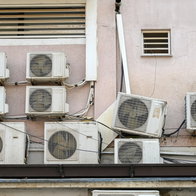
Spain plans to pay some homeowners up to €600 a month to rent out empty properties. Credit : Andy Dean Photography, Shutterstock
Owning an empty property in Spain could soon become financially worthwhile for some landlords. Under a new housing measure included in Spain’s State Housing Plan 2026 to 2030, homeowners who place vacant properties into affordable rental schemes may receive public payments of up to €600 per month per property.
The plan comes as Spain continues struggling with soaring rents, housing shortages and growing pressure in major cities where finding affordable accommodation has become increasingly difficult for many residents.
Instead of focusing only on building new homes, the government is now trying to bring thousands of empty properties back onto the rental market by offering financial incentives to owners who have been reluctant to rent them out.
And for many landlords sitting on unused flats or inherited homes, the proposal could suddenly make those empty properties far more attractive.
How Spain’s new empty homes scheme would work
The system is based on temporary agreements between property owners and public affordable housing programmes.
Owners would not lose ownership of their homes. Instead, they would temporarily place the property into a regulated rental scheme designed to offer lower priced housing to tenants.
In exchange, landlords could receive monthly public support payments of up to €600 on top of the controlled rent paid through the programme.
The government hopes this will encourage more owners to finally rent out properties that have remained empty for long periods.
Housing shortages have become one of Spain’s biggest political and social problems in recent years, especially in cities where rents have climbed far faster than wages.
Many empty homes remain off the market because owners fear problem tenants, damage to the property, unpaid rent or long legal processes if disputes arise.
The new programme is designed partly to reduce those concerns while increasing the number of available rental homes without waiting years for major construction projects.
Who could qualify for the payments
The measure forms part of the wider State Housing Plan 2026 to 2030, although the exact conditions will vary depending on the autonomous community managing the programme.
According to the framework announced so far, homes generally need to have remained empty for a certain period before qualifying. Properties must also meet minimum habitability standards or be suitable for renovation.
In some cases, additional financial assistance may also be available for refurbishment work before the property enters the rental scheme.
That could include support for repairs or improvements needed to make the home suitable for tenants.
However, owners joining the programme would usually need to commit the property to affordable rental use for several years rather than withdrawing it quickly and returning it to the private market. The rent itself would also remain regulated below normal market prices.
The idea behind the programme is to offer owners more stability while helping tenants access housing that would otherwise be financially out of reach.
Why Spain is targeting empty homes instead of building more properties
The government believes one of the biggest contradictions in Spain’s housing market is that many areas facing severe rental shortages also contain large numbers of vacant properties.
In some cities and regions, empty homes have become politically controversial as rents continue climbing and younger residents struggle to leave the family home.
Rather than relying entirely on new construction, authorities increasingly see unused housing stock as one of the fastest ways to increase supply.
That approach has already been discussed in several autonomous communities where local governments are searching for ways to ease pressure on the rental market.
The broader housing plan also includes other measures linked to affordable rentals, property rehabilitation and support for people struggling to access housing.
But this specific proposal focusing on empty homes is attracting particular attention because it directly targets private owners. For some landlords, the idea may still feel unappealing if they prefer to keep properties empty rather than deal with tenants.
Others, however, may see guaranteed monthly payments and public management as a safer option than entering the private rental market alone.
Why the housing crisis in Spain keeps getting worse
Housing affordability has become one of the biggest concerns across Spain, especially among younger workers and middle income households. In cities such as Madrid, Barcelona, Málaga and Valencia, rents have increased sharply over recent years while available long term rentals have become harder to find.
Tourist rentals, population growth and investor demand have all contributed to tightening supply in some areas. As prices rise, governments are increasingly under pressure to intervene.
The challenge is that building large numbers of new homes takes time and often faces bureaucratic delays, planning disputes and construction costs.
Bringing existing empty properties back into use is viewed as a faster short term solution. Whether enough owners will actually join the programme remains unclear.
That may ultimately depend on how attractive the regional conditions become once autonomous communities begin publishing their own detailed rules, deadlines and application systems. But one thing is already clear.
Spain’s housing crisis has reached a point where even empty flats are now becoming part of the country’s wider political battle over rent, affordability and access to housing.
Follow Euro Weekly News on Google News
Get breaking news from Spain, travel updates, and expat stories directly on your Google News feed.
Follow on Google NewsSign up for personalised news
Subscribe to our Euro Weekly News alerts to get the latest stories into your inbox!
By signing up, you will create a Euro Weekly News account if you don't already have one. Review our Privacy Policy for more information about our privacy practices.




Farah Mokrani
Farah is a journalist and content writer with over a decade of experience in both digital and print media. Originally from Tunisia and now based in Spain, she has covered current affairs, investigative reports, and long-form features for a range of international publications. At Euro Weekly News, Farah brings a global perspective to her reporting, contributing news and analysis informed by her editorial background and passion for clear, accurate storytelling.
Comments