Electric car drivers in Spain are getting 337 new fast chargers
By Farah Mokrani • Published: 13 May 2026 • 21:54 • 4 minutes read
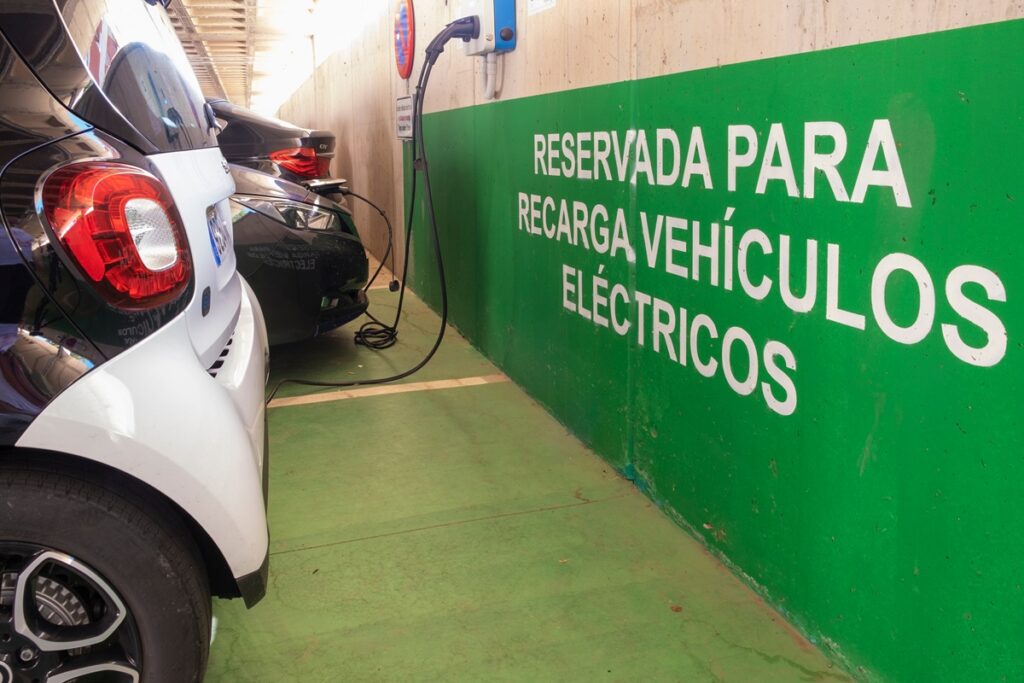
Spain plans to install 337 new rapid chargers to reduce EV charging blackspots across the country. Credit : m.e.s.t.o.c.k, Shutterstock
Running low on battery while driving across Spain is still a genuine fear for many electric car owners. Outside the biggest cities, there are still stretches of road where drivers can travel for kilometres without finding a rapid charger that actually works.
Now the Spanish government is trying to fix that problem with a €100 million investment aimed at installing 337 new fast charging points across the country. The plan specifically targets the areas drivers complain about most: the so called ‘shadow stretches’ where charging infrastructure is weak, unreliable or simply non existent.
The project, backed through the IDAE energy agency under the Moves charging corridor programme, is designed to make long distance electric travel in Spain feel far less stressful. Most of the new chargers will offer 150 kW rapid charging, allowing drivers to recharge much faster during motorway journeys.
For Spain, the issue has become urgent. Electric car sales continue growing, but many drivers still hesitate to switch because they are not convinced the charging network is reliable enough once they leave major urban areas.
Spain has more chargers than before but many still do not work
On paper, Spain’s charging network has expanded quickly.
According to AEDIVE, the country had almost 55,000 operational charging points by May 2026. That sounds impressive at first glance. But drivers often point out that the real problem is not only how many chargers exist. It is whether they are working when people actually need them.
Industry figures from ANFAC suggest more than 16,000 charging points installed across Spain were still not operational at the end of 2025.
Some have not yet been connected to the electricity grid. Others are out of service, damaged or stuck in administrative delays.
That leaves many electric motorists relying heavily on a relatively small number of dependable charging stations, especially on longer journeys and holiday travel can become particularly stressful.
Drivers heading across Spain during busy periods often find themselves checking apps constantly, calculating battery percentages and hoping the next charger on the route is available and functioning properly.
For people considering buying their first electric car, stories like that continue putting many off. The fear is rarely about driving around Madrid, Barcelona or Valencia.
It is the idea of getting stuck somewhere between cities with very limited charging options. That is exactly what the government is now trying to address.
Where the new rapid charging hubs will appear
Several major charging operators are receiving funding through the programme. Wenea secured the largest allocation, receiving almost €14.8 million for 25 projects around Spain. Zunder will receive roughly €13 million to develop 54 charging installations.
Some locations will reinforce charging points that already exist but need greater capacity. Others will create entirely new charging hubs in areas where drivers currently have very few options.
Among the locations mentioned are Villafranca del Penedès in Barcelona province, Almansa in Albacete and Verín in Galicia.
The Iberdrola BP Pulse partnership also received more than €12 million to develop 41 charging hubs in places including Málaga, León, Jaén, Cáceres, Toledo and Badajoz. A number of projects focus directly on routes that electric drivers have long viewed as problematic.
Some hubs will appear near motorway service areas, hotels and major road connections where rapid charging access is especially important during long journeys. One of the biggest funded projects announced so far is a charging hub in Villena.
Other significant developments include stations planned in Malpartida de Plasencia and Argamasilla de Alba.
The idea is not only to increase charger numbers but to create a network drivers can realistically depend on while travelling across the country.
Spain wants more people buying electric cars but confidence remains a problem
The government knows charging infrastructure remains one of the biggest obstacles slowing electric vehicle adoption in Spain.
Price still matters, of course. Electric cars remain expensive for many households even with subsidies. But confidence is equally important.
A lot of drivers simply want reassurance that they will not spend hours searching for a charger during a family trip or holiday drive.
That concern becomes even stronger in rural areas or on routes where charging stations remain scarce.
Spain has been under pressure to accelerate the transition towards electric mobility, particularly as other European countries continue moving faster in EV adoption. But infrastructure gaps have repeatedly frustrated both drivers and manufacturers.
The challenge is not only about building more chargers. It is also about making sure they are fast, operational and properly distributed around the country.
Drivers complain that too many chargers are concentrated in larger cities while major routes still contain long areas with limited rapid charging access. That imbalance has fuelled the reputation of Spain’s ‘shadow stretches’.
The new programme is supposed to reduce those gaps and make cross country travel feel more practical for EV owners.
And for drivers who already own electric cars, the difference between a working rapid charger and a broken one can completely change a journey.
The race to make electric driving feel normal
Spain is clearly trying to reach the point where electric driving feels routine rather than carefully planned.
Right now, many EV owners still organise trips around chargers instead of simply driving normally and stopping when convenient. That is something governments across Europe are trying to change as they push for lower emissions and greater electric vehicle adoption.
The expansion of rapid charging hubs is a big part of that effort. Fast chargers with 150 kW capacity can dramatically reduce waiting times compared with older systems, making longer trips far more manageable.
For Spain, improving infrastructure may end up being just as important as offering purchase subsidies if the country truly wants more drivers to switch to electric cars. Because for many motorists, the question is no longer whether electric vehicles are the future.
It is whether they trust the charging network enough to rely on one today.
Follow Euro Weekly News on Google News
Get breaking news from Spain, travel updates, and expat stories directly on your Google News feed.
Follow on Google NewsSign up for personalised news
Subscribe to our Euro Weekly News alerts to get the latest stories into your inbox!
By signing up, you will create a Euro Weekly News account if you don't already have one. Review our Privacy Policy for more information about our privacy practices.



Farah Mokrani
Farah is a journalist and content writer with over a decade of experience in both digital and print media. Originally from Tunisia and now based in Spain, she has covered current affairs, investigative reports, and long-form features for a range of international publications. At Euro Weekly News, Farah brings a global perspective to her reporting, contributing news and analysis informed by her editorial background and passion for clear, accurate storytelling.
Comments