Official tourist municipality title awarded to three villages in southern Spain
By Molly Grace • Published: 13 May 2026 • 21:38 • 2 minutes read
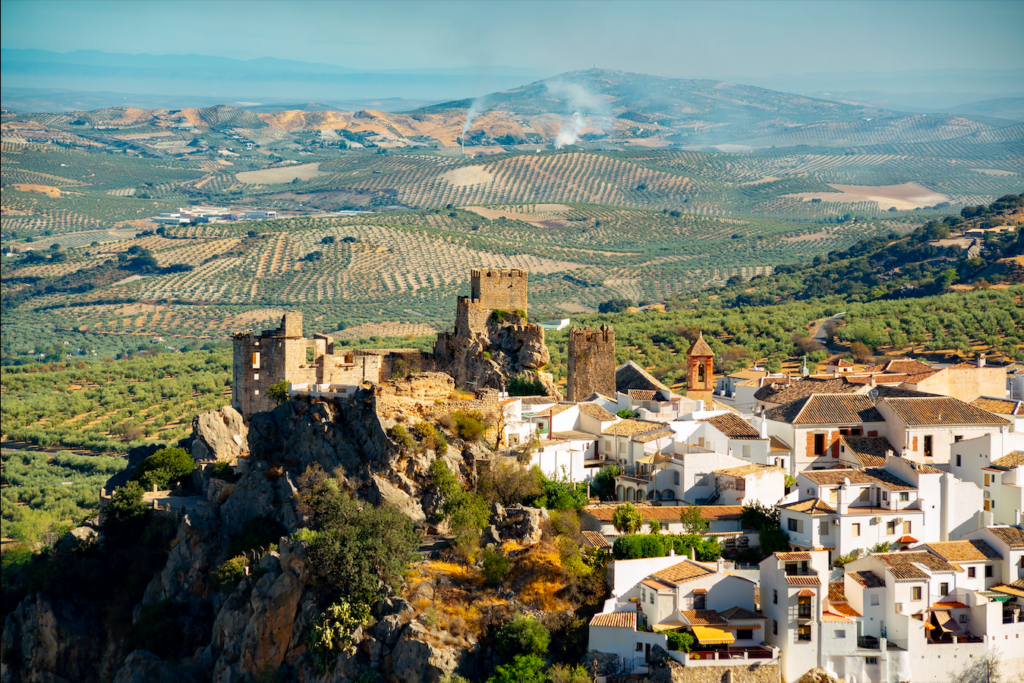
Zuheros, one of the best-known white villages in Córdoba province. Photo credit: Florian Augustin/Shutterstock
Three villages in Andalucía have officially been declared new tourist municipalities by the regional government, a designation intended to recognise destinations that receive high visitor numbers and offer significant tourism services despite having relatively small populations.
The Junta de Andalucía approved the status for Cortegana in Huelva province, Zuheros in Córdoba province and Nigüelas in Granada province during a meeting of the regional government council earlier this month.
Under Andalucian tourism regulations, municipalities can apply for the designation if they meet a series of criteria linked to visitor numbers, cultural heritage, accommodation capacity and tourism infrastructure. The recognition is designed to help smaller towns manage the impact of tourism while improving access to regional support and funding.
Villages recognised for tourism appeal
Each of the three villages is already known for attracting visitors through a combination of natural landscapes, traditional architecture and local heritage.
Cortegana is located in the Sierra de Aracena area and is known for its medieval castle, hiking routes and links to rural tourism. The town regularly attracts visitors interested in nature, gastronomy and historical sites within inland Huelva province.
Zuheros, one of the best-known white villages in Córdoba province, sits within the Sierras Subbéticas Natural Park. It is particularly recognised for its hillside setting, cave systems and olive oil tourism, as well as its historic centre and castle.
Nigüelas lies on the edge of the Sierra Nevada foothills in the Lecrín Valley and has become increasingly popular with rural tourists, walkers and visitors looking for mountain and countryside tourism close to Granada city and the Costa Tropical.
The tourist municipality designation acknowledges that these villages receive visitor numbers that place additional pressure on local infrastructure and public services, particularly during weekends, holidays and peak travel seasons.
What the designation means for residents
For local residents, the new status may bring both opportunities and challenges. Tourist municipality recognition can improve access to regional funding intended to support maintenance, infrastructure, cultural activities and visitor services. Local councils may also receive greater institutional support when dealing with issues linked to seasonal tourism, including waste collection, parking, traffic management and public facilities used by visitors.
In smaller municipalities, tourism often provides an important source of employment for restaurants, hotels, rural accommodation providers, shops and activity businesses. Increased visibility following the designation could help attract more visitors throughout the year, particularly outside the traditional summer season.
At the same time, some residents may be concerned about how rising visitor numbers could affect daily life, housing availability and the character of smaller communities. Across parts of Spain, debates over tourism pressure and short-term accommodation have intensified in recent years, particularly in areas where local infrastructure is limited. However, the three newly recognised villages remain significantly smaller and less densely visited than Andalucía’s main coastal tourism centres. Regional authorities argue that promoting inland and rural destinations can help spread tourism activity more evenly across the region.
Part of wider tourism strategy
The Junta de Andalucía has increasingly promoted inland tourism as part of its wider tourism policy, encouraging visitors to explore rural areas, natural parks and historic villages alongside the region’s beaches and major cities. Tourist municipality status is awarded following an assessment process examining accommodation capacity, cultural and environmental attractions, tourism planning and the number of overnight stays or day visitors relative to the local population.
Regional officials say the designation is intended to help municipalities balance tourism growth with preservation of local heritage and quality of life for residents. For Cortegana, Zuheros and Nigüelas, the recognition is likely to raise their profile further within Andalucía’s tourism sector while placing greater focus on how these villages manage future visitor
Follow Euro Weekly News on Google News
Get breaking news from Spain, travel updates, and expat stories directly on your Google News feed.
Follow on Google NewsSign up for personalised news
Subscribe to our Euro Weekly News alerts to get the latest stories into your inbox!
By signing up, you will create a Euro Weekly News account if you don't already have one. Review our Privacy Policy for more information about our privacy practices.




Molly Grace
Molly is a British journalist and author who has lived in Spain for over 25 years. With a background in animal welfare, equestrian science, and veterinary nursing, she brings curiosity, humour, and a sharp investigative eye to her work. At Euro Weekly News, Molly explores the intersections of nature, culture, and community - drawing on her deep local knowledge and passion for stories that reflect life in Spain from the ground up.
Comments