Spain’s mental health crisis drives opposition’s largest healthcare pledge yet
By Molly Grace • Published: 13 May 2026 • 16:56 • 3 minutes read
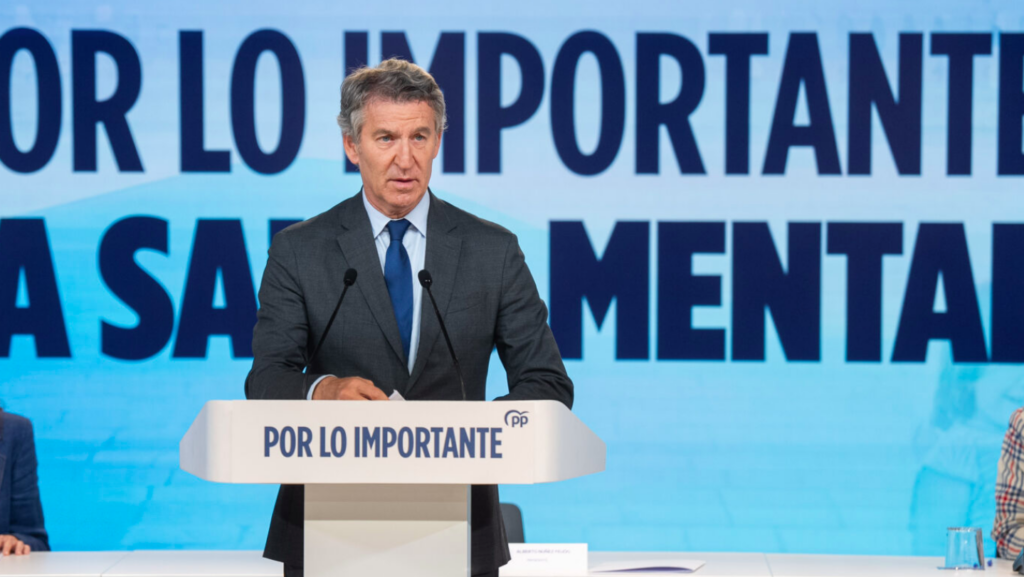
In some regions of Spain, non-urgent appointments with psychologists or psychiatrists can take several months. Photo credit: PP. es
Spain’s opposition Partido Popular, led by Alberto Núñez Feijóo, has presented a national mental health plan that proposes investing up to €700 million a year to recruit 10,000 additional professionals for the public healthcare system. The proposal sets out annual funding in the range of €500 million to €700 million and focuses on expanding access to psychiatric and psychological care across Spain.
According to the party, the plan is designed to respond to rising demand for mental health services and reduce pressure on existing structures within the national health system. Feijóo presented the initiative at a political and healthcare event, where he outlined concerns about what he described as an overstretched system and uneven access to treatment depending on region. The plan forms part of the opposition’s wider health policy agenda ahead of future national debates on public spending.
Recruitment plan targets 10,000 new mental health staff
Under the proposal, the Partido Popular says the funding would allow for the recruitment of 10,000 professionals, including 2,000 psychiatrists, 3,000 psychologists and 5,000 mental health nurses. The party argues that increasing staffing levels is essential to shorten waiting times and improve continuity of care.
It also proposes closer coordination between primary care services, specialist mental health units and hospital networks in order to improve patient pathways through the system. The plan also includes strengthening prevention programmes and early intervention services, particularly within public healthcare settings where patients first present with symptoms.
Focus on young people, prevention and suicide reduction
A significant part of the proposal is directed at children, adolescents and young adults, groups that health professionals have identified as increasingly affected by anxiety, depression and related conditions in recent years. The Partido Popular says schools, universities and primary care centres should play a greater role in identifying early signs of mental health difficulties and ensuring quicker referral to specialist services.
The plan also includes expanded suicide prevention measures, alongside additional training for healthcare workers involved in frontline care. Rural access is another stated priority. The party highlights disparities in availability of mental health professionals across Spain, with some areas facing longer travel distances and fewer specialist services.
What it could mean for people needing mental health support
For patients currently seeking mental health care, the proposal is intended to address long waiting times and limited access to specialists in parts of the public system. In some regions of Spain, non-urgent appointments with psychologists or psychiatrists can take several months, particularly in areas with fewer professionals per capita.
If implemented, the increase in staffing could reduce pressure on existing services and allow for faster assessment and treatment, especially for people experiencing moderate to severe conditions. It could also improve access to follow-up care, which is often cited as a weak point in overstretched systems.
The emphasis on early intervention may also affect how quickly individuals are able to access help after first contacting a GP or school service, potentially reducing delays between initial symptoms and treatment. However, the impact would depend on recruitment success and how evenly professionals are distributed across Spain’s autonomous communities, where healthcare responsibilities are managed regionally.
Wider debate on mental health provision in Spain
Mental health has become a growing political issue in Spain following increased demand for services in recent years. Health professionals and patient organisations have repeatedly highlighted shortages of psychologists and psychiatrists within the public system, as well as significant waiting lists in some regions. Current national mental health strategies have focused on prevention, coordination and improved care pathways, but critics argue that staffing levels remain insufficient to meet demand.
The Partido Popular has positioned its proposal as a more expansive approach, arguing that investment and recruitment must increase significantly to match current needs. The plan is expected to intensify debate over how mental health services should be funded and structured, particularly as pressure on Spain’s public healthcare system continues to grow.
Follow Euro Weekly News on Google News
Get breaking news from Spain, travel updates, and expat stories directly on your Google News feed.
Follow on Google NewsSign up for personalised news
Subscribe to our Euro Weekly News alerts to get the latest stories into your inbox!
By signing up, you will create a Euro Weekly News account if you don't already have one. Review our Privacy Policy for more information about our privacy practices.



Molly Grace
Molly is a British journalist and author who has lived in Spain for over 25 years. With a background in animal welfare, equestrian science, and veterinary nursing, she brings curiosity, humour, and a sharp investigative eye to her work. At Euro Weekly News, Molly explores the intersections of nature, culture, and community - drawing on her deep local knowledge and passion for stories that reflect life in Spain from the ground up.
Comments