Gluten-free at Spanish ferias? What people with celiac disease and food intolerances need to watch for
By Lucy Ramnought • Published: 16 May 2026 • 14:15 • 2 minutes read
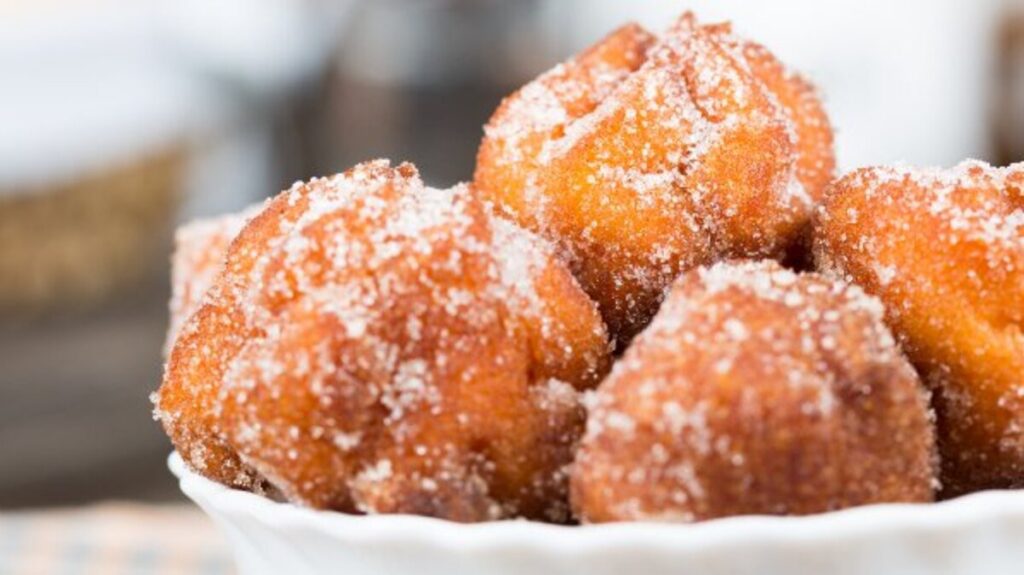
Contamination at ferias Credit: ESMadrid
Spain’s famous ferias and food festivals are wide and loved across the country, from Malaga to Madrid, Barcelona to Fuengirola, Seville to Valencia and many many more. For people living with celiac disease, lactose intolerance, IBS, or other food sensitivities, navigating these events can sometimes be far more stressful than festive.
With crowded tapas stalls, shared fryers, and temporary kitchens, many feria favourites can carry hidden risks for those who cannot eat gluten safely. Local celiac groups and health organisations praise Spain saying it has improved significantly in recent years, but food festivals are still one of the trickier environments to manage safely.
Why ferias can be difficult for people with celiac disease
Spain is often considered one of Europe’s more gluten-aware countries thanks to EU food labelling laws and a growing number of “sin gluten” restaurants. Many cities now have dedicated gluten-free dining options and stronger allergy awareness than a decade ago.
However, feria settings create different challenges.
Many traditional feria foods, including croquetas, churros, fried tapas, montaditos, and beer-battered dishes, are either made with wheat or prepared in shared cooking areas. Even naturally gluten-free foods such as grilled meat, paella, or potatoes can become contaminated through shared utensils, oil, or serving areas.
Temporary festival kitchens are also harder to regulate compared with permanent restaurants.
According to Spain’s celiac associations, cross-contamination is one of the biggest concerns for people eating outside the home.
Which feria foods are safest?
Some traditional Spanish foods are generally safer options if prepared separately.
Usually lower-risk foods include –
- Grilled meat or seafood cooked on clean surfaces.
- Jamon serrano without bread contact.
- Plain olives.
- Patatas asadas if cooked separately.
- Fresh seafood.
- Simple rice dishes.
Higher-risk feria foods include –
- Croquetas.
- Churros.
- Fried fish from shared fryers.
- Breaded tapas.
- Beer sauces and gravies.
- Shared tapas platters.
People with additional intolerances, including dairy intolerance or IBS, face even fewer options. Cream sauces, cheese fillings, garlic-heavy dishes, and onion-based sofritos are common at many of the events.
What you should do before attending a feria
People managing celiac disease or severe intolerances are advised to, where possible, ask directly about shared fryers and preparation surfaces. Try to learn key Spanish phrases such as “sin gluten” and “contaminación cruzada.” Carry backup snacks in case safe food is unavailable. Avoid peak rush hours when kitchens are under pressure and research nearby certified gluten-free restaurants before attending.
Apps such as Find Me Gluten Free and local Spanish celiac association directories can also help identify safer venues nearby.
The social side many people do not see
Food is central to feria culture, and people with intolerances often describe feeling awkward refusing dishes or constantly questioning staff about ingredients.
Spanish celiac associations say awareness has improved, particularly among younger hospitality workers.
What happens next
Thankfully awareness around gluten intolerance and food allergies is growing by the day across Spain. Dedicated gluten-free fairs and allergy-friendly food events are becoming more common, and more restaurants are training staff on contamination risks.
Health groups say ferias and large outdoor food festivals are still one of the biggest safety gaps for people with celiac disease. For people attending fairs in the upcoming months, preparation, caution, and asking the right questions will be the key to enjoying the fun of the feria safely.
Follow Euro Weekly News on Google News
Get breaking news from Spain, travel updates, and expat stories directly on your Google News feed.
Follow on Google NewsSign up for personalised news
Subscribe to our Euro Weekly News alerts to get the latest stories into your inbox!
By signing up, you will create a Euro Weekly News account if you don't already have one. Review our Privacy Policy for more information about our privacy practices.



Lucy Ramnought
Lucy Ramnought is a local news writer and mother of 4 from the UK who has lived in the Costa Del Sol for just over 4 years. With a background in content writing and social media for various companies, and with vast experience in PA and project management, Lucy is committed to producing accurate, engaging and reliable stories to her work at Euro Weekly News.
Comments