Breast cancer screening in Spain to cover ages 45 to 74 under new plan
By Molly Grace • Published: 20 May 2026 • 15:33 • 3 minutes read
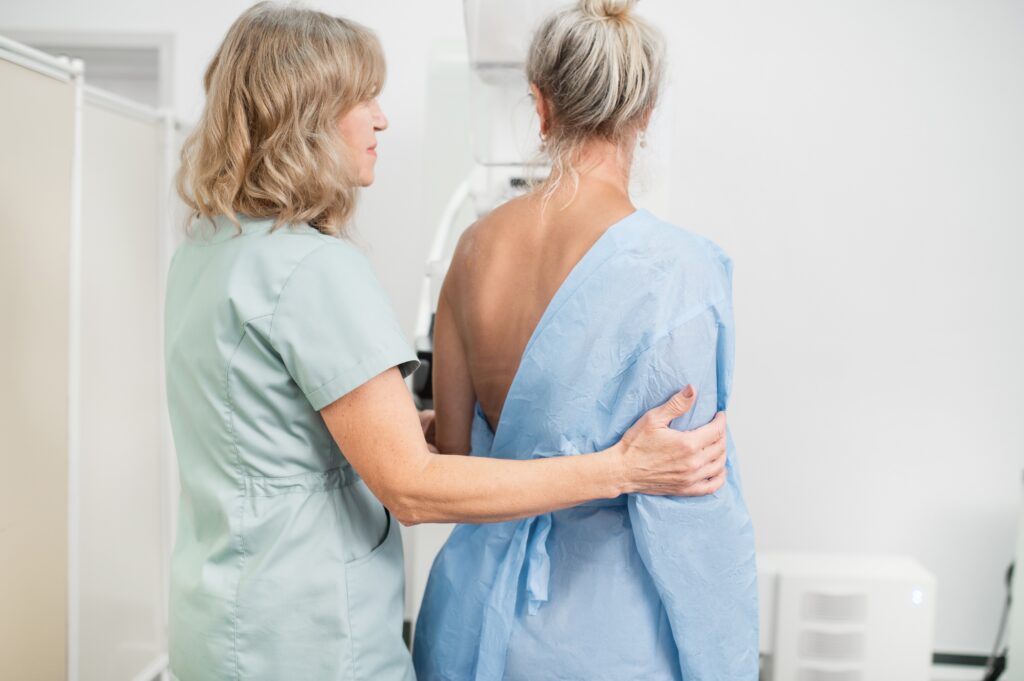
Although the policy has been formally approved, its implementation will not be immediate in all regions. Photo credit: illustrissima/Shutterstock
Spain’s Ministry of Health has approved an expansion of the national breast cancer screening programme, extending eligibility to women aged between 45 and 74. The measure broadens the previous age range, which generally covered women from 50 to 69. The decision was adopted through the country’s Public Health Commission, which coordinates preventive health policies across Spain’s autonomous communities.
The change is intended to increase early detection rates and improve consistency in screening coverage nationwide. Under the updated framework, mammograms will continue to be offered within the public health system, with regional authorities responsible for implementing the expanded programme over time.
Change Approved Through Public Health Commission
The reform was agreed by the Ministerio de Sanidad following discussions within the Comisión de Salud Pública, the body that brings together representatives from Spain’s national and regional health administrations. The Ministry confirmed that the screening programme will now include women from age 45, lowering the entry threshold by five years, while also extending the upper limit to 74. Previously, the standard programme targeted women aged 50 to 69, with routine mammograms carried out every two years.
Health authorities have stated that the change is based on updated scientific assessments of breast cancer incidence and detection outcomes. Officials have also emphasised that the expansion aims to ensure more uniform access to screening across Spain’s decentralised health system. Although the policy has been formally approved, its implementation will not be immediate in all regions. Spain’s autonomous communities manage healthcare delivery, meaning the rollout will take place gradually depending on local planning and available resources.
Aim to Improve Early Detection and Coverage
The Ministry of Health has indicated that the expansion is designed to improve early diagnosis of breast cancer, which remains one of the most commonly diagnosed cancers among women in Spain. By lowering the starting age for screening, authorities aim to detect cases earlier in women under 50, a group where diagnoses, while less frequent, can sometimes present at more advanced stages. Extending the upper age limit to 74 is intended to maintain screening access for older women who remain at risk.
Officials have also highlighted the importance of reducing regional disparities. Spain’s health system is managed at regional level, and previous assessments have identified variations in access and participation rates depending on location. The updated programme seeks to standardise eligibility criteria across all regions so that screening is less dependent on where a person lives.
Implementation to Be Phased Across Regions
While the decision establishes a national framework, the Ministry has confirmed that full implementation will be phased. Each autonomous community will adapt the changes according to its own screening infrastructure and scheduling capacity.This means that in some regions, the expanded age range may be introduced earlier than in others. Health authorities have not set a single national deadline for completion, but the expectation is that rollout will take place progressively over the coming years.
The existing screening system will continue operating during the transition. Women currently within the previous 50–69 age bracket will remain part of the programme without interruption. The Ministry has not indicated any change to the two-year interval between routine mammograms, which remains the standard practice in Spain’s public health screening programme.
Context of Breast Cancer Screening in Spain
Breast cancer screening is one of the most established preventive health programmes in Spain’s public healthcare system. It is designed to identify early-stage cancers before symptoms develop, improving treatment outcomes and survival rates. The expansion brings Spain closer in line with evolving recommendations seen in several European health frameworks, which have been reassessing optimal age ranges for population-based screening programmes.
Health officials have stated that the revision reflects accumulated evidence on incidence patterns, particularly the number of cases diagnosed outside the previous screening range. Public health experts have also noted that participation in screening programmes is a key factor in early detection, alongside clinical advances in imaging and treatment.
Gradual Rollout Across Spain’s Health System
The decentralised nature of Spain’s healthcare system means that implementation will depend on coordination between national and regional authorities. Each region will adjust its screening schedules, invitation systems and capacity planning to accommodate the expanded age group.
The Ministry has said it will work with regional health services to ensure that the transition is consistent and that access to screening is maintained throughout the rollout period. Once fully implemented, the programme will cover women from age 45 to 74 across the country, representing one of the widest age ranges in Spain’s national preventive screening system.
Follow Euro Weekly News on Google News
Get breaking news from Spain, travel updates, and expat stories directly on your Google News feed.
Follow on Google NewsSign up for personalised news
Subscribe to our Euro Weekly News alerts to get the latest stories into your inbox!
By signing up, you will create a Euro Weekly News account if you don't already have one. Review our Privacy Policy for more information about our privacy practices.



Molly Grace
Molly is a British journalist and author who has lived in Spain for over 25 years. With a background in animal welfare, equestrian science, and veterinary nursing, she brings curiosity, humour, and a sharp investigative eye to her work. At Euro Weekly News, Molly explores the intersections of nature, culture, and community - drawing on her deep local knowledge and passion for stories that reflect life in Spain from the ground up.
Comments