Rare blue moon to light up Spanish skies: Complete viewing guide for May 2026
By Adam Woodward • Updated: 26 May 2026 • 11:26 • 2 minutes read
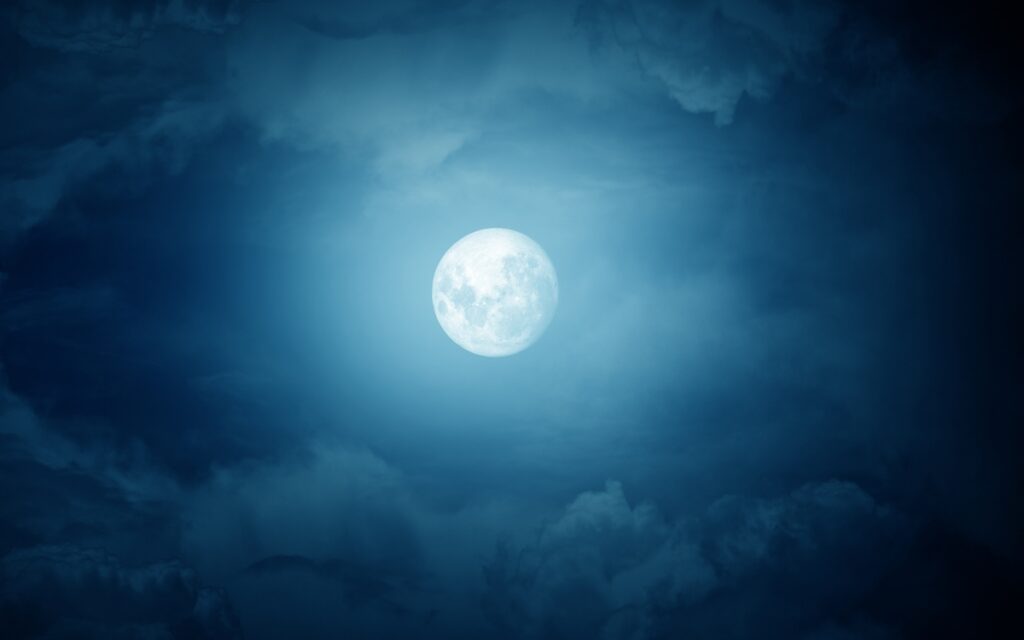
Catch the Blue Moon this weekend. Credit: Gergitek - Shutterstock
Skywatchers and hopeless romantics across Spain can look forward to a calendar rarity this week as the end of May brings a rare blue moon. The phenomena will show themselves in Spain on Sunday, May 31, at roughly between 10pm and 10.30pm, creating the Blue Moon event.
Observers will get the best experience not at the exact full moment but during moonrise on Saturday, May 30, when atmospheric layers create striking blue visual effects.
Best viewing times and places across Spain
Moonrise on 30 May delivers prime opportunities for watchers throughout the country, even if the Moon is not at its fullest yet. Many locations will experience this event shortly after sunset with the Moon climbing in its largest form. Madrid moonrise on Saturday is due near 9.20pm CEST, while in Barcelona it is expected around 9.05pm, Malaga 9.08pm, and Alicante around 10 minutes before that. Add around an hour extra for Sunday 31.
Recommended Directions for Spotting the Event
Attention turns east-southeast at dusk on Saturday, May 30, for ideal results. Clear southeastern horizons should allow uninterrupted views as the moon ascends. Two hours after sunset on Friday, May 29, Antares, a bright red star, will sit visibly below the nearly full moon in Scorpius and will stay close to the moon on following nights. Skywatchers should position themselves away from bright city lights in open areas for the best clarity during the evenings of 30 and 31.
Features that define this blue Moon
This occurrence also counts as a micromoon since the moon sits at its farthest distance from Earth. Views, therefore, present it slightly smaller than average full moons, though surface details will still be impressive under good conditions. Rarity adds appeal to this because such calendar events happen every two to three years on average.
Planetary activity visible at the same time
Venus and Jupiter are moving gradually closer in the western sky after sunset each evening. Their slow convergence continues through the week and leads toward a notable conjunction on June 9. Naked-eye tracking works easily over several nights from any Spanish location.
Constellation worth observing this week
Leo is due to sink slowly westward after sunset, yet offers easy recognition through its sickle shape formed by stars with Regulus at the brightest point. Non-experts at watching the sky at night value this simple pattern that outlines a lion figure and provides one of the last strong chances before it fades into twilight.
Practical tips for skywatchers in Spain
Clear late-spring skies favour coastal and rural spots for the best results. Naked-eye observation proves sufficient, although binoculars or telescopes reveal extra crater details on the lunar surface.
Be patient, though. Those who arrive early at chosen sites with unobstructed views will appreciate this event best. Weather forecasts are for potentially some patchy cloud, but so far there is no rain or heavy cloud coverage expected. Future nights will bring darker skies in early June once the moon rises later each evening.
Follow Euro Weekly News on Google News
Get breaking news from Spain, travel updates, and expat stories directly on your Google News feed.
Follow on Google NewsSign up for personalised news
Subscribe to our Euro Weekly News alerts to get the latest stories into your inbox!
By signing up, you will create a Euro Weekly News account if you don't already have one. Review our Privacy Policy for more information about our privacy practices.

Adam Woodward
Adam is a writer who has lived in Spain for over 25 years. With a background in English teaching and a passion for music, food, and the arts, he brings a rich personal perspective to his work at Euro Weekly News. As a father of three with deep roots in Spanish life, Adam writes engaging stories that explore culture, lifestyle, and the everyday experiences that shape communities across Spain.
Comments